Browsed by
Tag: Tauck

Altarpieces at the Unterlinden Museum

Altarpieces at the Unterlinden Museum

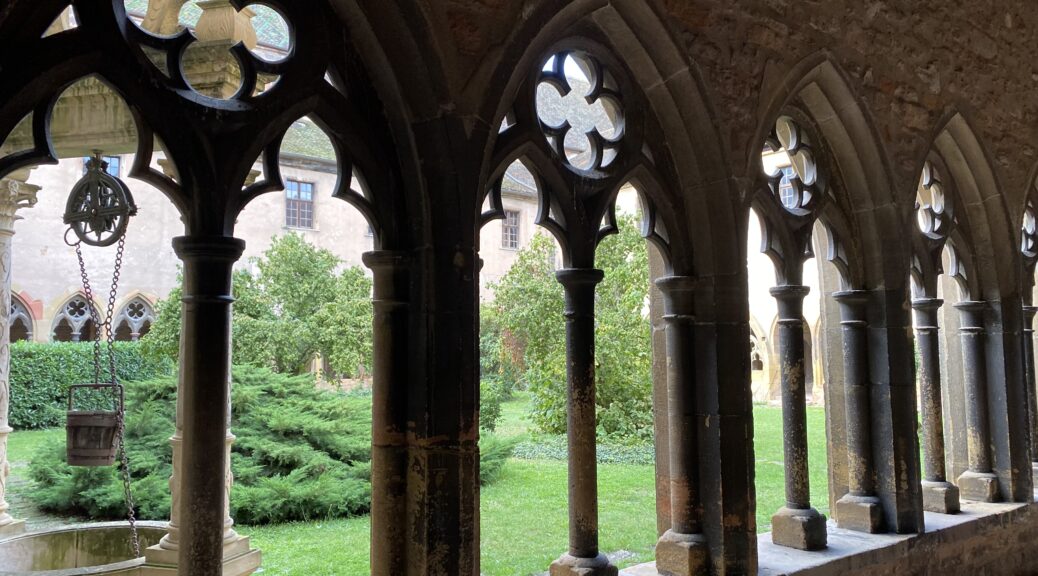
The building pictured below is the Unterlinden Museum, located in Colmar, France. The Museum is housed in a 13th-century Dominican religious sisters’ convent and a 1906 former public baths building. The second picture is one I took of the ceiling. It dates back to the 16th century. Pictured above the blog title is the cloister. One of the altarpieces we saw at the Unterlinden Museum was the Bergheim Altarpiece. It was created between 1515 and 1517 for a chapel in…
Read More Read More

Colmar, France

Colmar, France

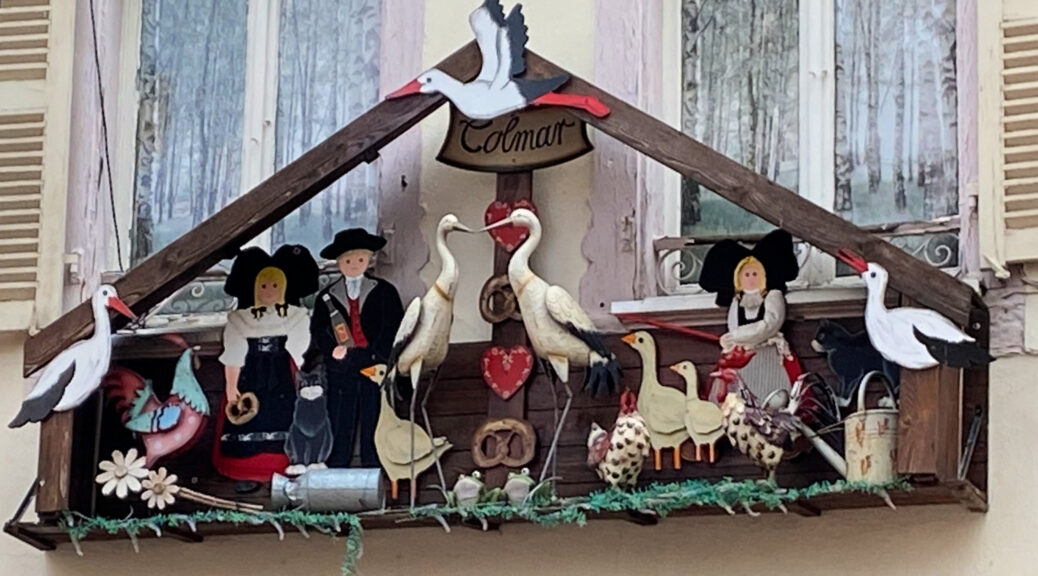
After leaving Bern we boarded our ship and began our cruise up the Rhine River. Our first port of call was Colmar, France. During medieval times, Colmar was an important trading town. In the 17th century it was annexed by France, but kept much of its German traditions. The city shifted between French and German control four times between 1871 and 1945 when it became a permanent part of France. Today, French is the official language but many older residents…

Read More Read More

Lucerne, Switzerland

Lucerne, Switzerland

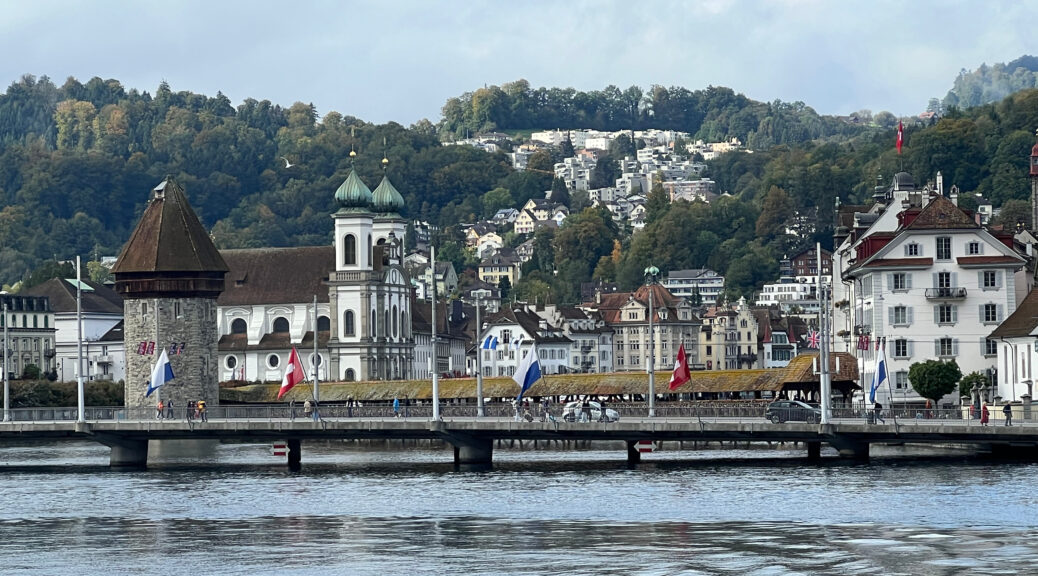
While on Tauck’ Rhine, Alps and Amsterdam tour, we first explored Bern and then headed to Jungfraujoch in the Alps. Next we visited Lucerne which is the focus of this post. A highlight would be seeing the Chapel Bridge (Kapellbrücke in German) pictured below. The Chapel Bridge is a covered wooden footbridge over the Reuss River. It was named after St. Peter’s Chapel, a nearby Catholic Church. The bridge contains a number of interior paintings dating back to the 17th…

Read More Read More

A Few More Glimpses of Japan

A Few More Glimpses of Japan

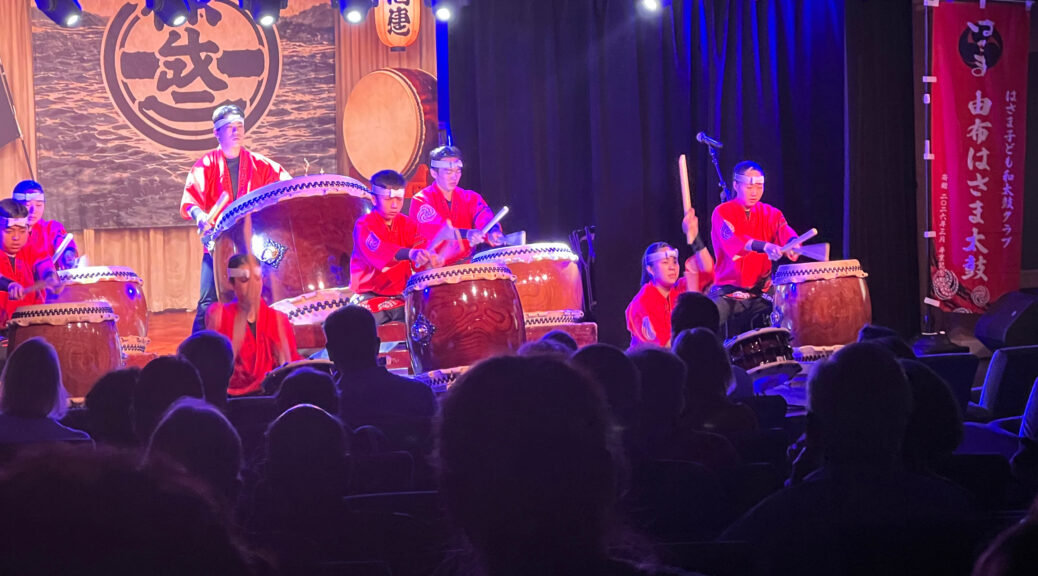
Our Sakura Seas tour would soon becoming to an end. Before I close out this post, I would like to share a few more pictures. After our excursions in Beppu, we were treated to a Taiko drum performance by the Nasama Children’s Japanese Drum Club. Taiko is a traditional Japanese drum that has been used for centuries in music, religious ceremonies and festivals. It is characterized by its large size, its powerful and deep sound and the energetic way in…

Read More Read More

Meiji Shrine

Meiji Shrine

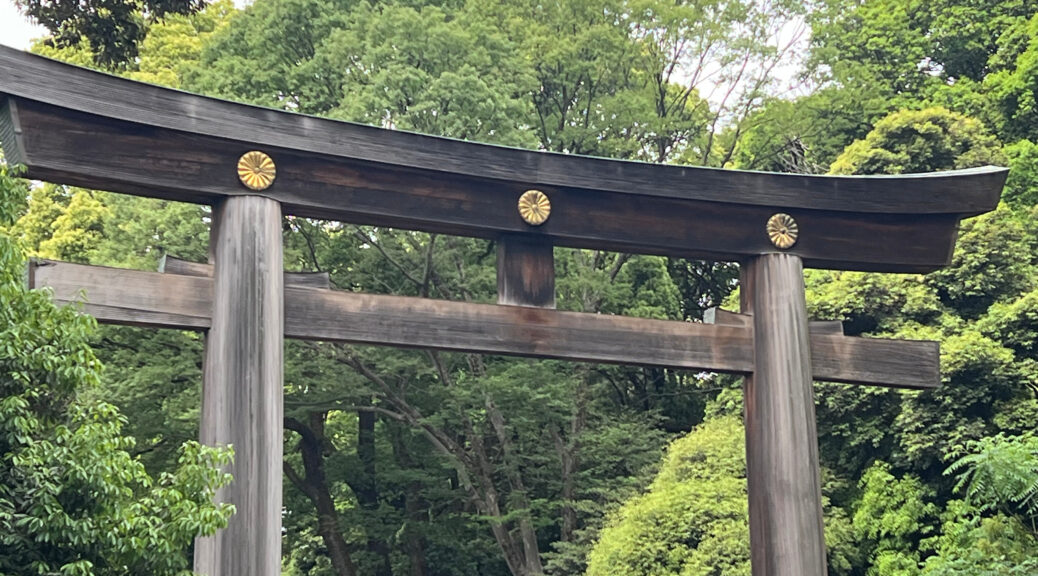
We sailed overnight to Osaka and then took the bullet train to Tokyo. Japan’s bullet train, known as the Shinkansen, is a high-speed rail network famous for its speed (up to 200 mph), comfort, and punctuality. The 300-mile trip took just over two hours. We were offered a bento box for our lunch. It is a “compact, single-portion packed lunch neatly arranged to stay fresh and appetizing.” The last picture in this section is the train station in Tokyo. I…

Read More Read More

Tamano, Japan

Tamano, Japan

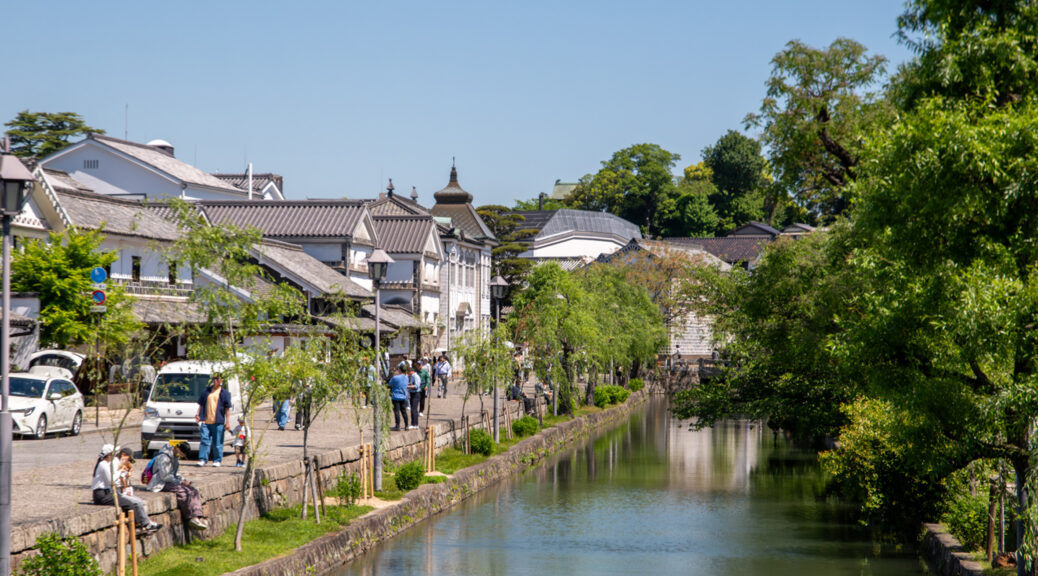
We next sailed up the Seto Inland Sea to the town of Tamano, a port city that has prospered as a shipbuilding town since a shipyard was established in 1917. It is a quaint town with canals, small shops, and lots of places to get ice cream. We just wandered around the town.

Hiroshima

Hiroshima

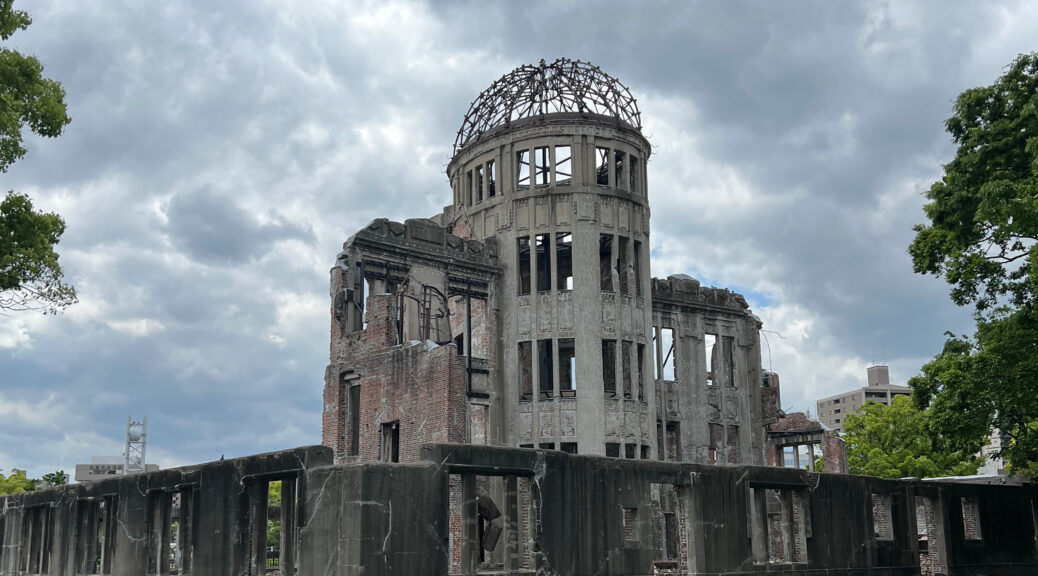
We were next going to Hiroshima. We took a ferry from Miyajima to the island of Honshu where Hiroshima is located. Along the way we saw the Hiroshima Castle (first picture below). It was built in the center of the city rather than on a hilltop. It became the economic and geographic center of Hiroshima. It was destroyed by the atomic bomb in 1945, but the main keep, the central tower of the castle, has since been rebuilt. Our group…

Read More Read More

Visiting Uwajima

Visiting Uwajima

We left Beppu and sailed overnight to Uwajima on the island of Shikoku, one of the four main islands of Japan. Uwajima is known as one of the three best areas in Japan for pearl cultivation. We chose an excursion to the Doi Pearl Farm where three generations work together to grow, harvest and sell Akoya pearls. Pearl cultivation is a complex endeavor. There are oysters of different ages to care for, nucleation and post-nucleation management, oyster cleaning, and pearl…

Read More Read More

Usuki Stone Buddahs

Usuki Stone Buddahs

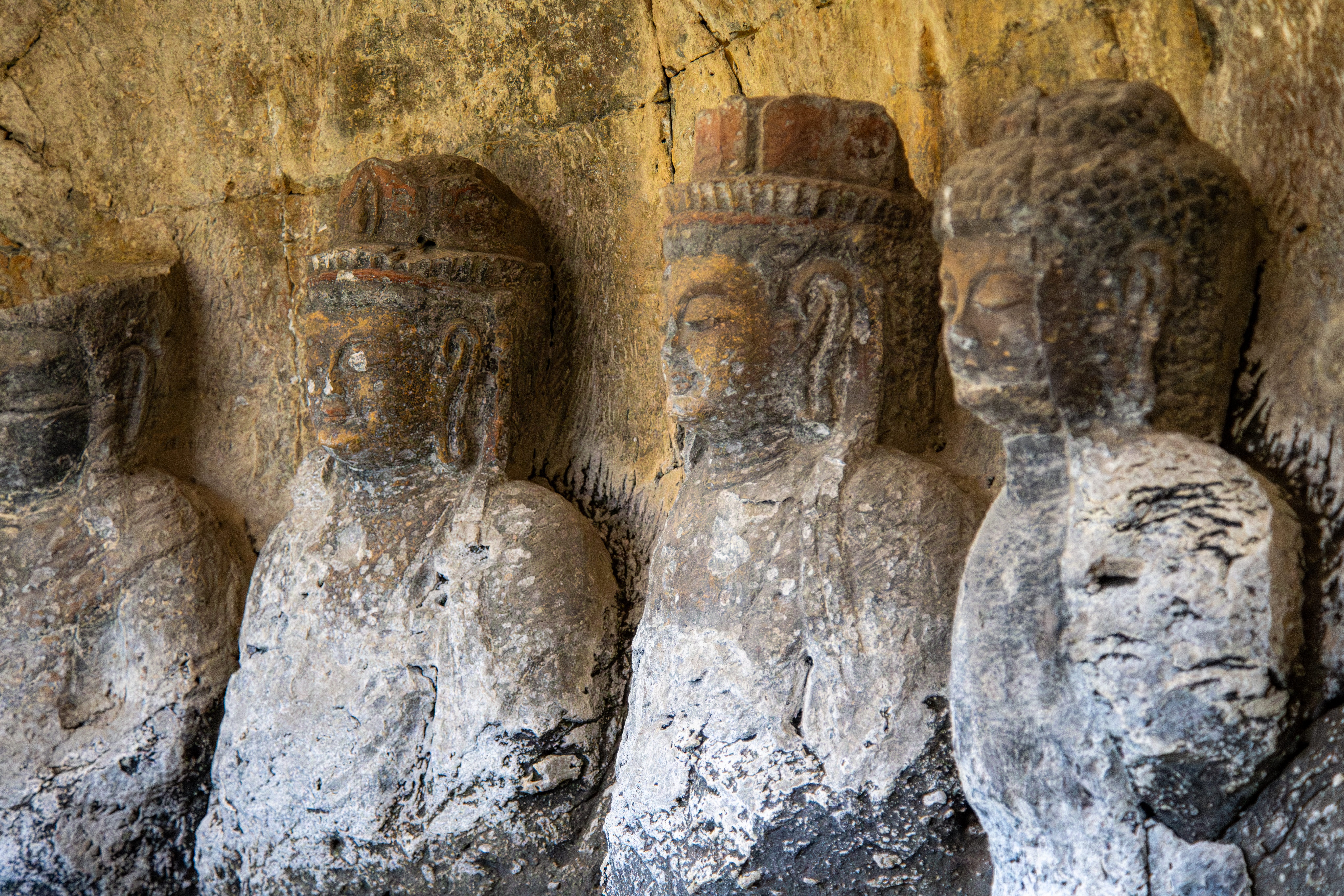
Mike’s excursion took him to Usuki, a castle town and home to the Usuki Stone Buddahs. The Buddahs are carved in the face of cliffs created by hardened volcanic ash and molten rock that erupted from Mt. Aso about 90,000 years ago. The figures are believed to have been carved from the late 700s to the early 1300s, but who carved them is unknown. “The prevailing theory is that they were commissioned by the Oga clan, which ruled the area…

Read More Read More

“Hells” of Bepppu

“Hells” of Bepppu

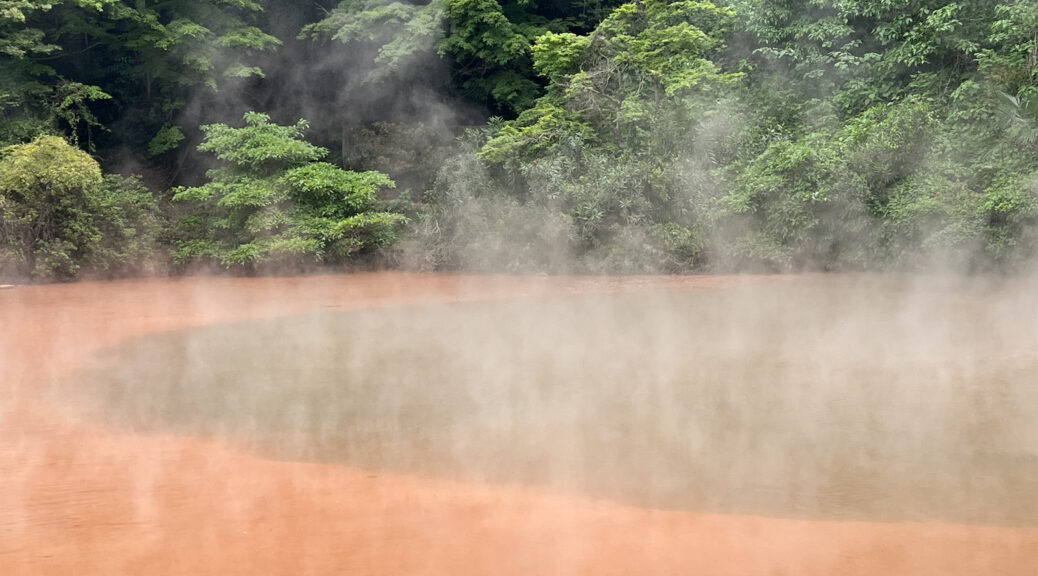
Later that morning we arrived in Beppu. It has a concentration of hot springs. Rainwater seeps deep underground through faults, is heated by magma, and rises to the surface under high pressure. The hot springs are used for farming, aquaculture (underwater agriculture), heating and even cooking. They are also a huge tourist attraction known as the Seven Hells of Beppu. I chose the “Hells of Beppu” as my excursion. Hot water pools of various colors are often present in geothermal…

Read More Read More