A Few More Glimpses of Japan
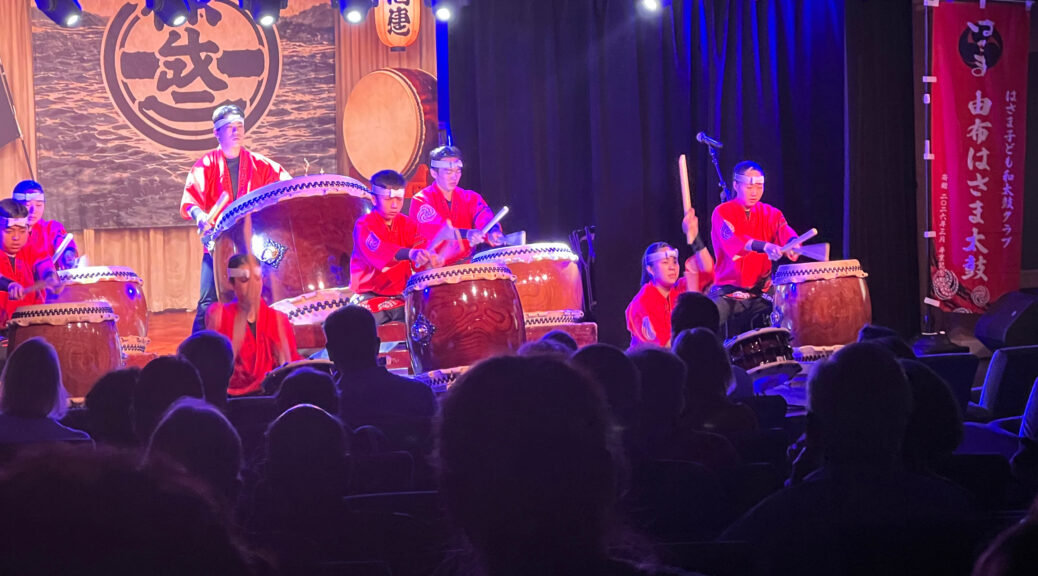
Our Sakura Seas tour would soon becoming to an end. Before I close out this post, I would like to share a few more pictures. After our excursions in Beppu, we were treated to a Taiko drum performance by the Nasama Children’s Japanese Drum Club. Taiko is a traditional Japanese drum that has been used for centuries in music, religious ceremonies and festivals. It is characterized by its large size, its powerful and deep sound and the energetic way in which it is played. These young musicians certainly achieved that standard, demonstrating skills and energy as they performed for us.
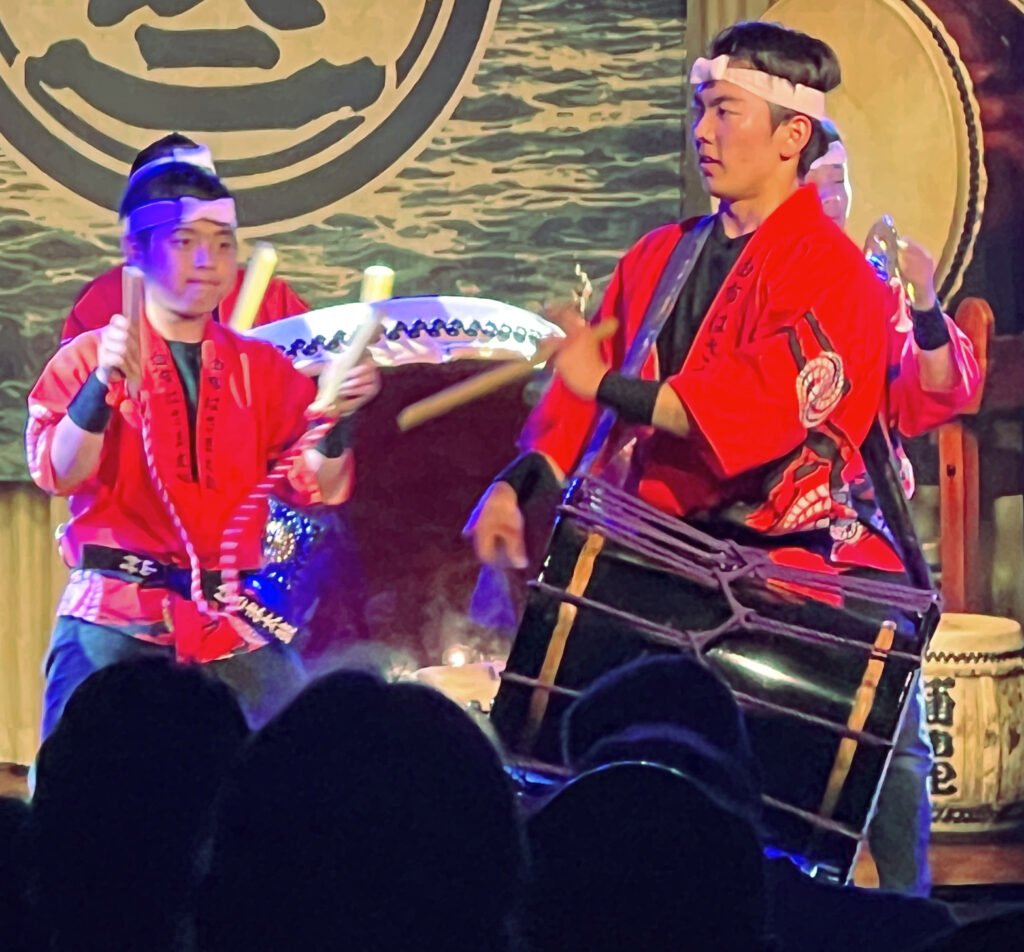
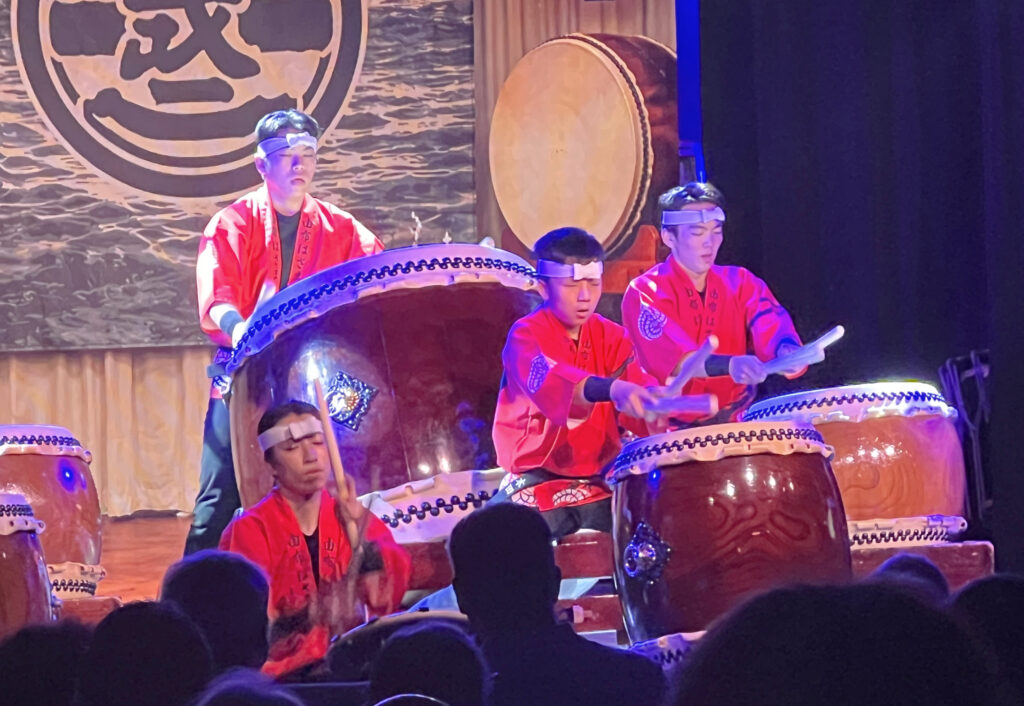
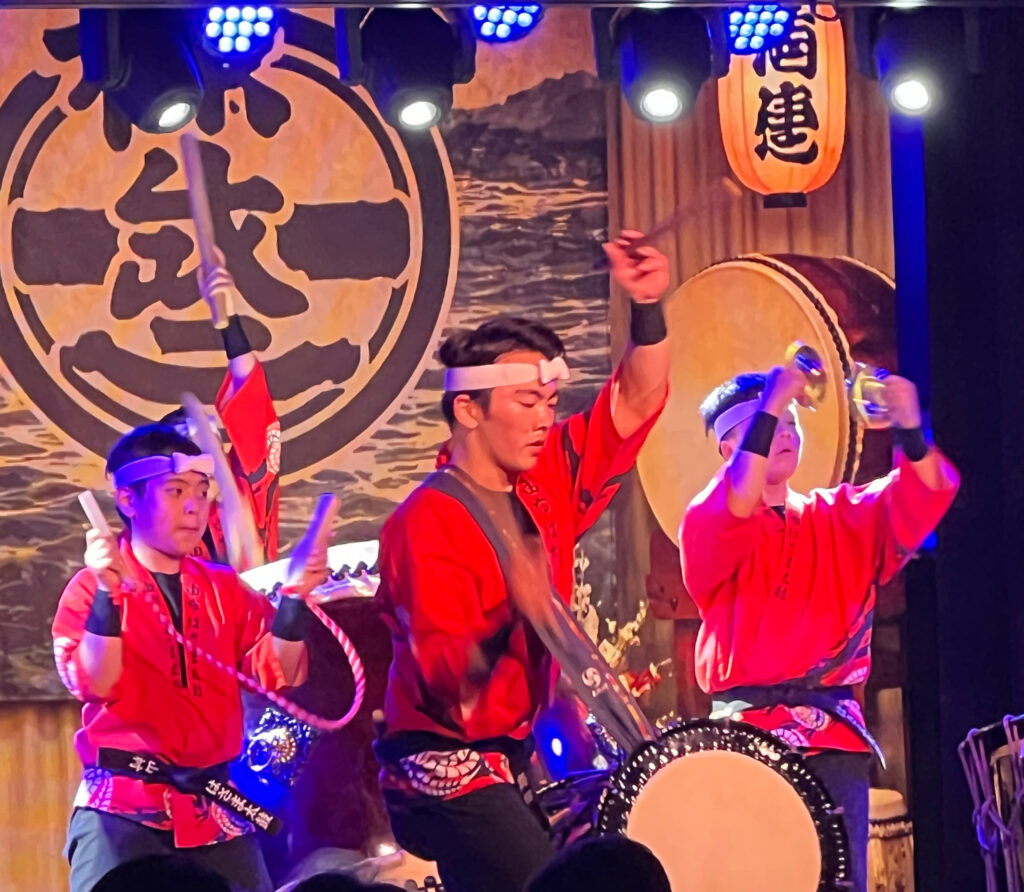
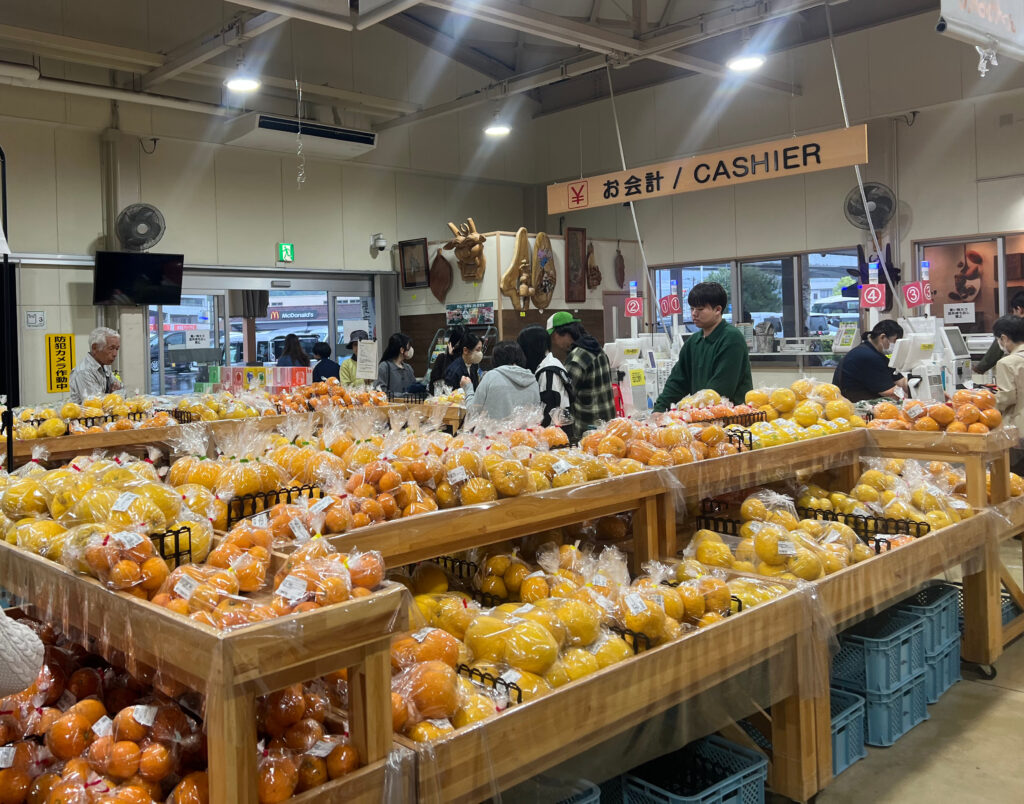
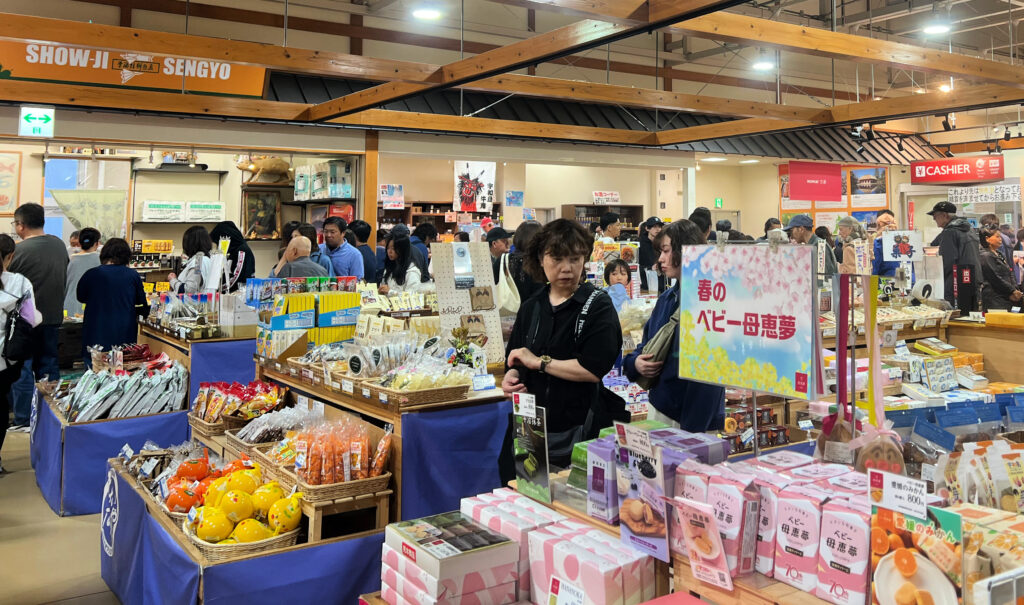
When in Uwajima, we stopped at a market where local residents do their shopping. There were stalls for produce, fish and even chocolate.
Next I would like to share a little about what I learned about the federal government in Japan. Japan is a constitutional monarchy with a parliamentary system. There are three branches of government. The Executive Branch includes the Prime Minister and Cabinet. The Legislative Branch is the National Diet. Their responsibilities include selecting the Prime Minister. Finally there is a Judicial Branch with a Supreme Court and lower courts. Also at the national level is an Emperor. This is a ceremonial position; the Emperor has no political power. There are also 47 prefectures. These are similar to the states in the US. Each prefecture is administered by a governor and a legislative body.
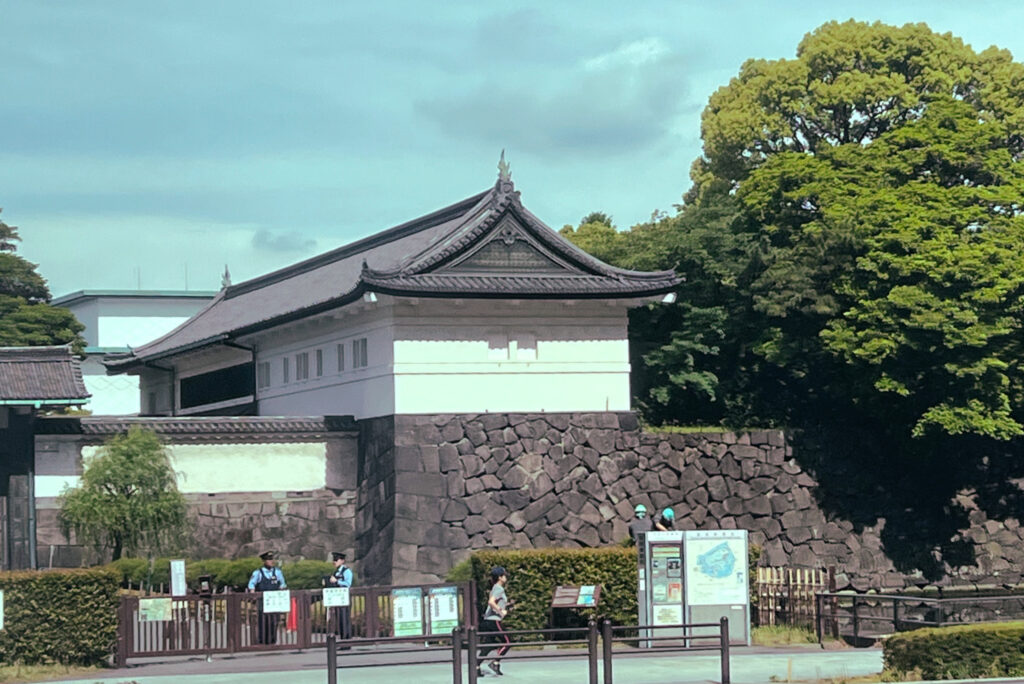
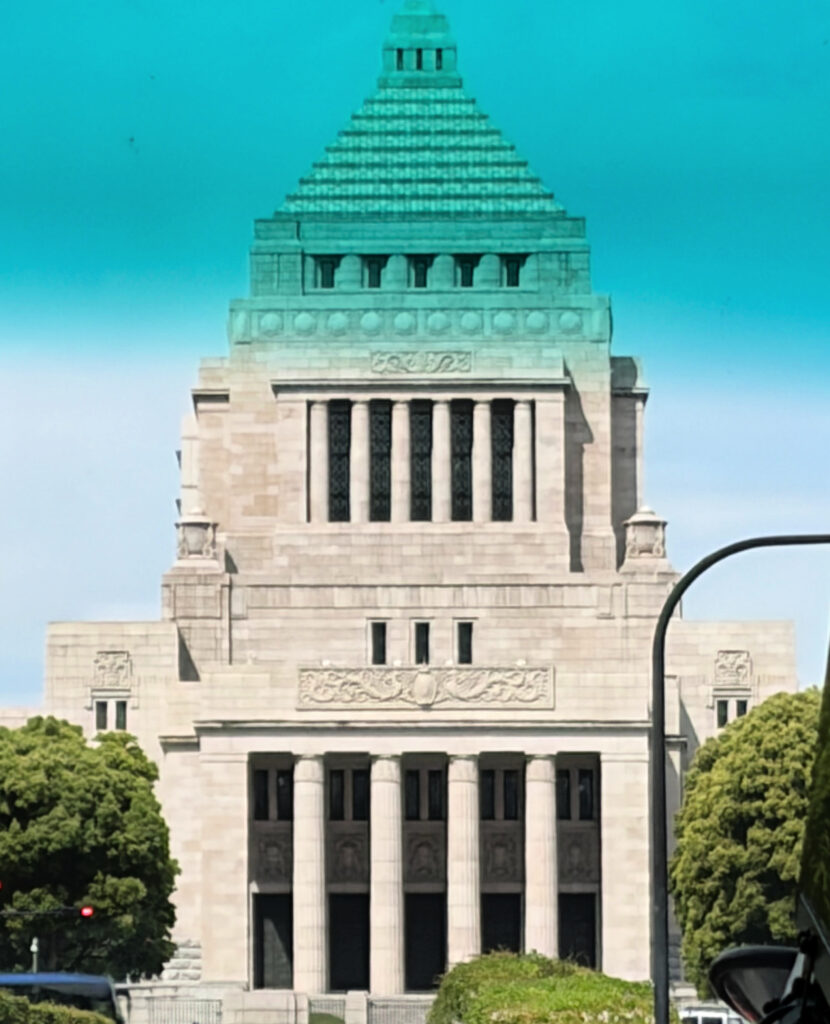
Pictured below is one of the buildings making up the Imperial Palace. This is the main residence of the Emperor. Ceremonies and receptions also take place here. The second picture depicts the National Diet. It has two houses – the House of Representatives (lower house) and the House of councillors (upper house). It is the House of Representatives that has the final decision on the budget and on international treaties.
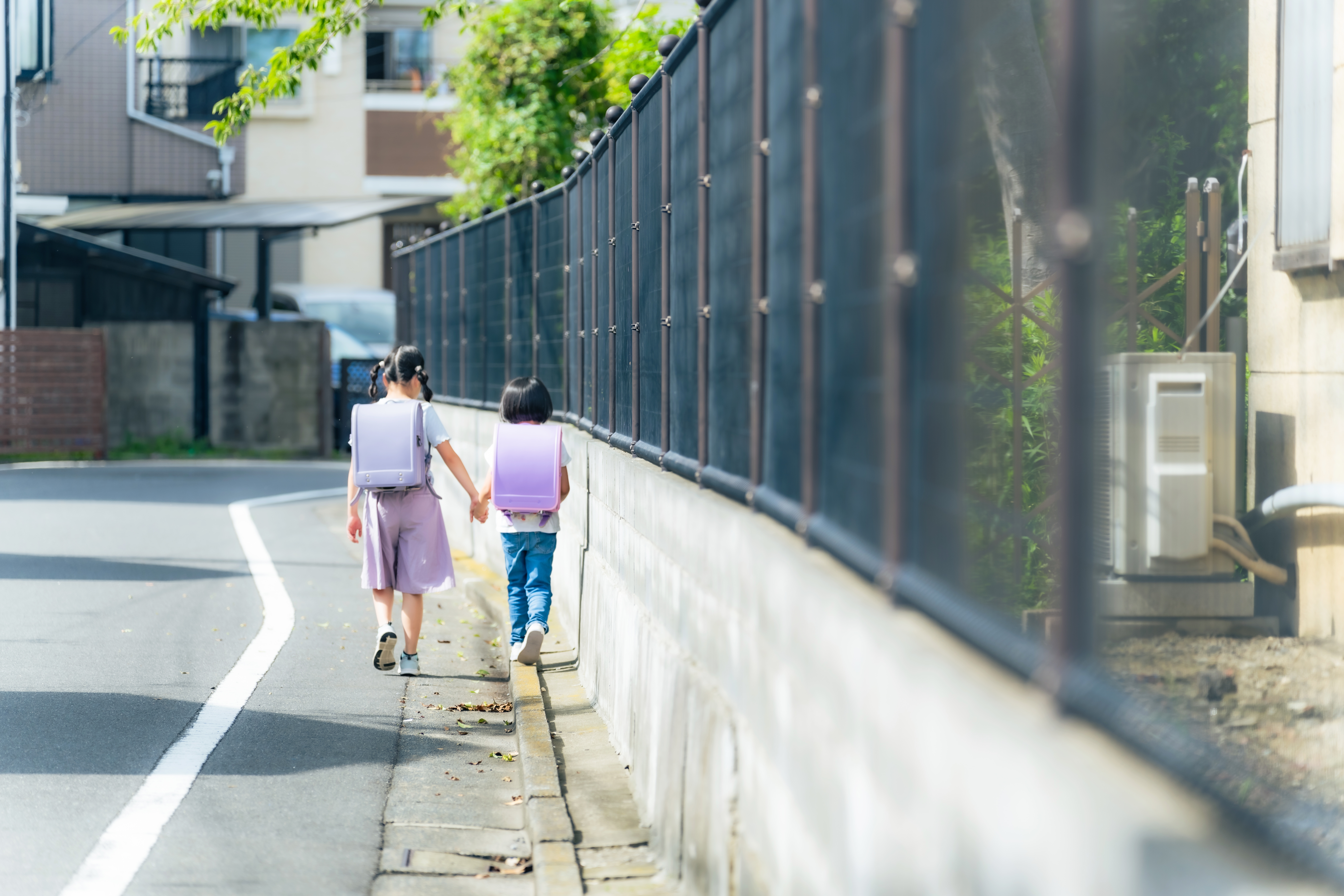
As a retired educator, I also found Japan’s educational system interesting. Children are required to attend six years of elementary school and three years of junior high school. Public schools are free and assignment to a particular school depends on where the family lives. There are also private schools that require tuition. High school is optional although about 98% of students attend high school. Entering high school requires passing an entrance exam. Students can then choose either an academic or vocational track. Students at all levels are also responsible for cleaning their classrooms, hallways and other common areas within their school. The picture below was purchased from Shutterstock.
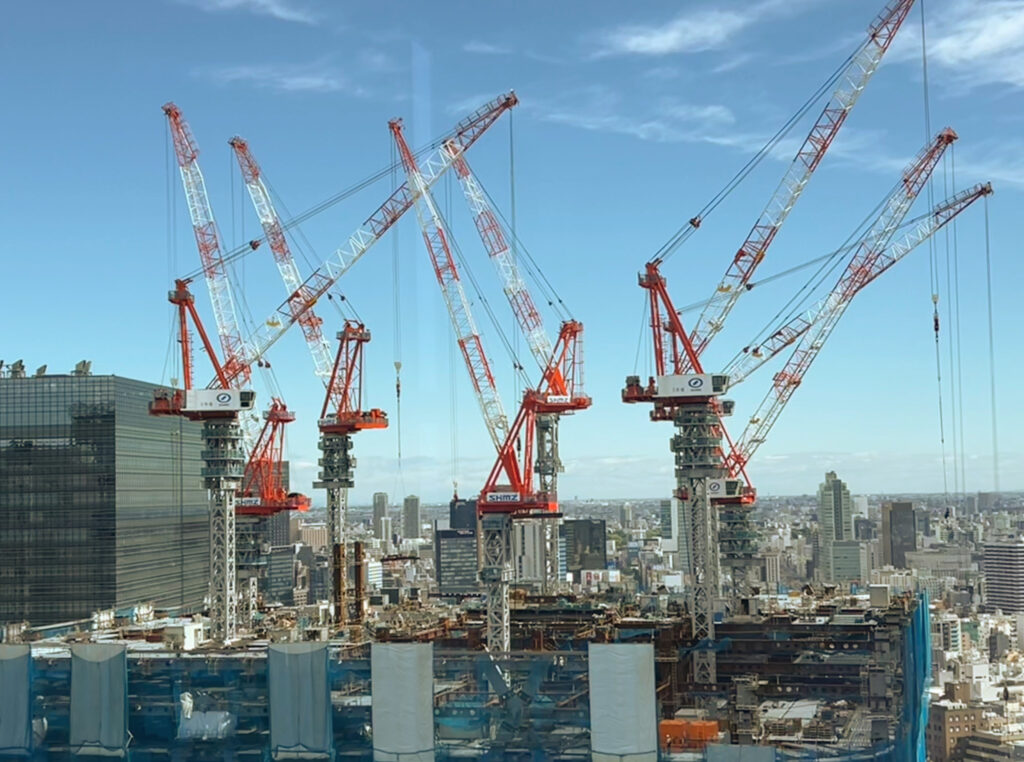
Here are a few more pictures and their stories. First is the major reconstruction in Tokyo, which was visible from the windows of our hotel’s restaurant. “Tokyo is currently undergoing a ‘once-in-a-century’ urban transformation. Mega-developments are reshaping the city skyline, including the 390 meter-high (1,279 feet) Torch Tower.” It is projected to be Japan’s tallest building by its completion in 2028.
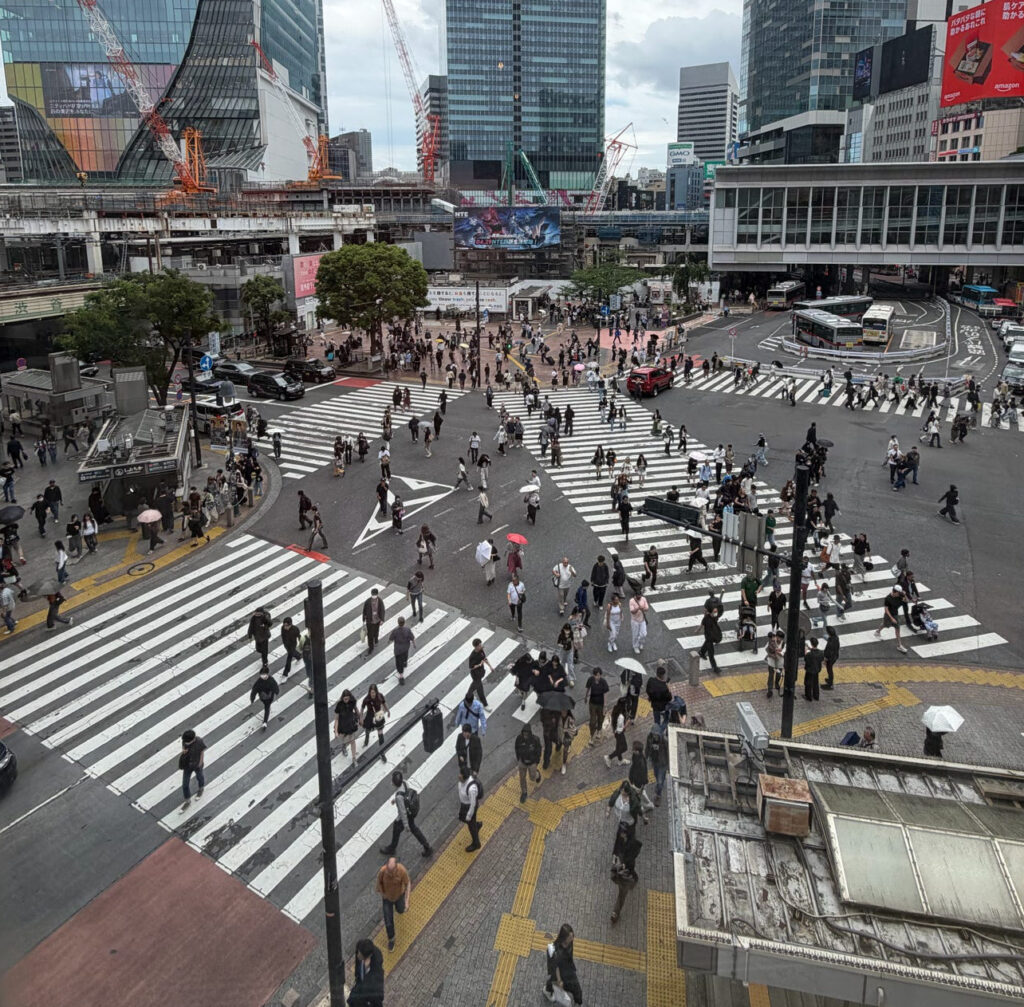
Next is the Shibuya Crossing, also known as the Shibuya Scramble Crossing. It is the most famous intersection in Tokyo. Up to 3,000 people cross this intersection at one time. It is estimated that between 250,000 and 500,000 people cross the intersection in a day. There are multiple places to observe all the people. We had hoped to go there, but were unable to. A fellow-traveler shared this picture.
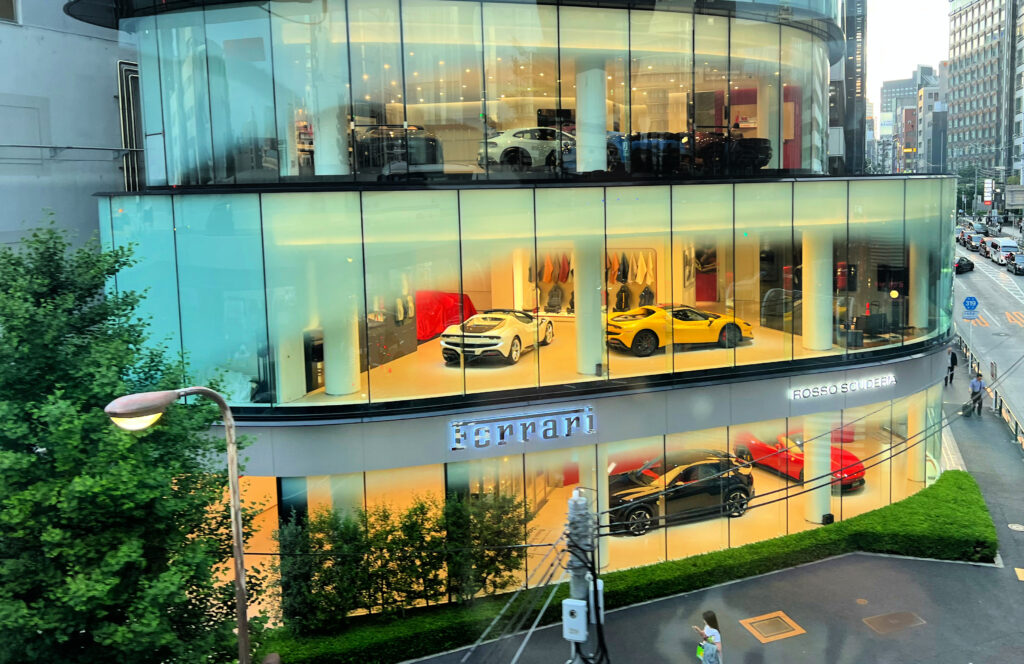
We drove by this Ferrari showroom, and I snapped a quick picture of it from our bus. The building, the Rosso Scuderia Building, won an architectural award in 2015. The curved glass was inspired by the interior of the Ferrari.
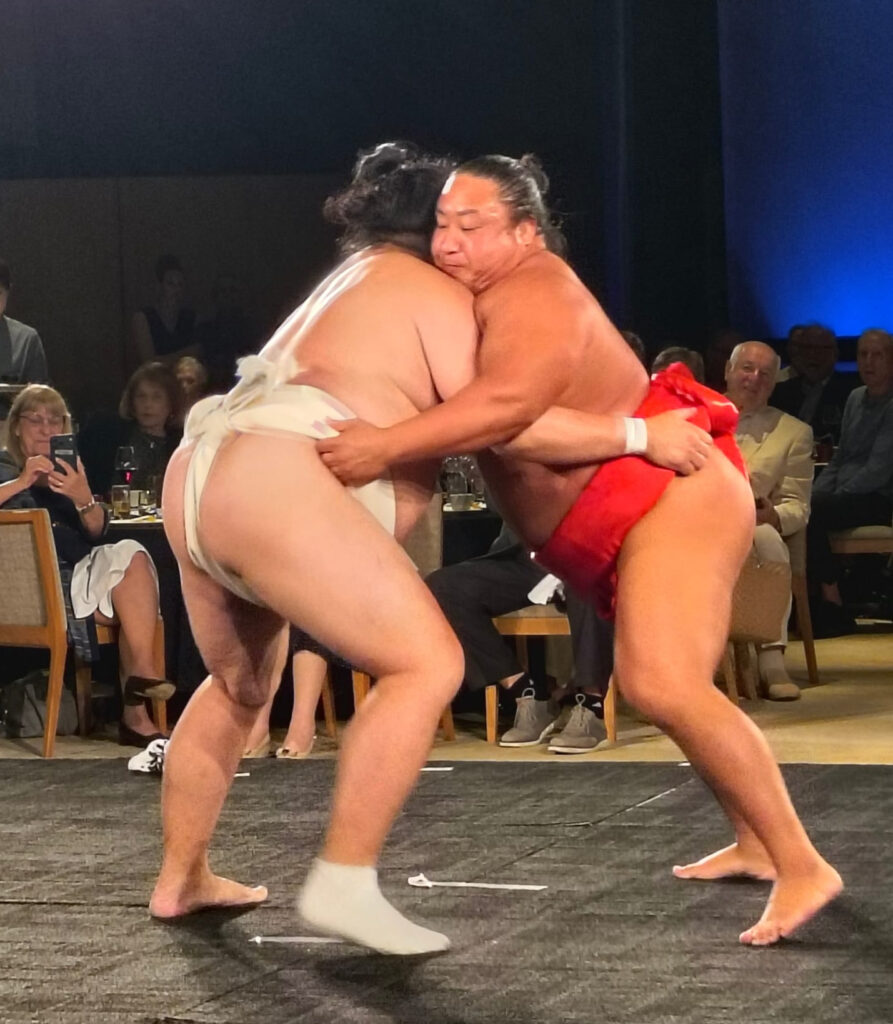
Also pictured are Sumo wrestlers. Sumo is a Japanese style of wrestling and is Japan’s national sport. It originated in ancient time as a performance to entertain Shinto deities. The first wrestler to exit the ring or to touch the ground with any part of his body except the sole of his foot, loses. Most contests only last a few seconds. There are no classes or weight restrictions so weight gain is important for the wrestler.
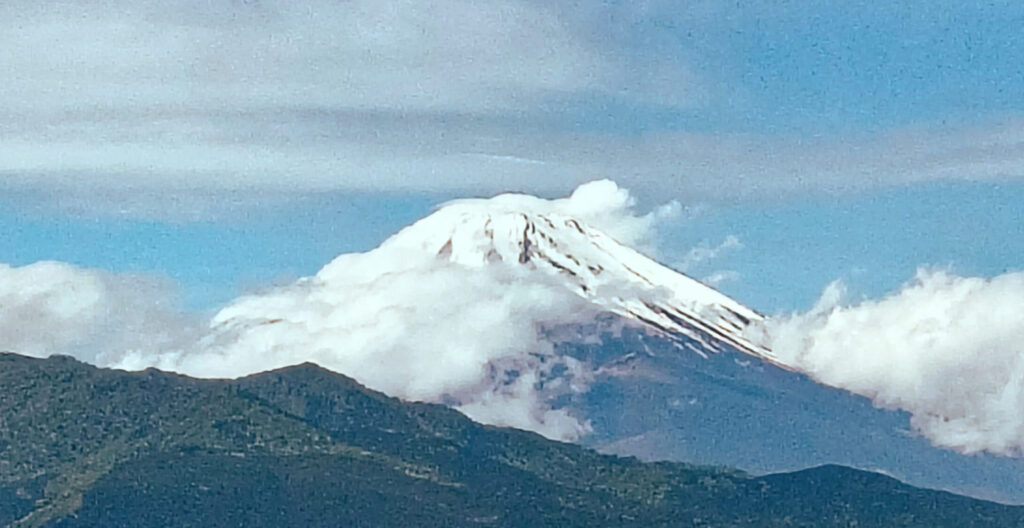
This is Mount Fugi, an active volcano, though it last erupted in 1707. It is located about 65 miles southwest of Tokyo. At 3,776 meters (12,388 feet), it is Japan’s tallest mountain.
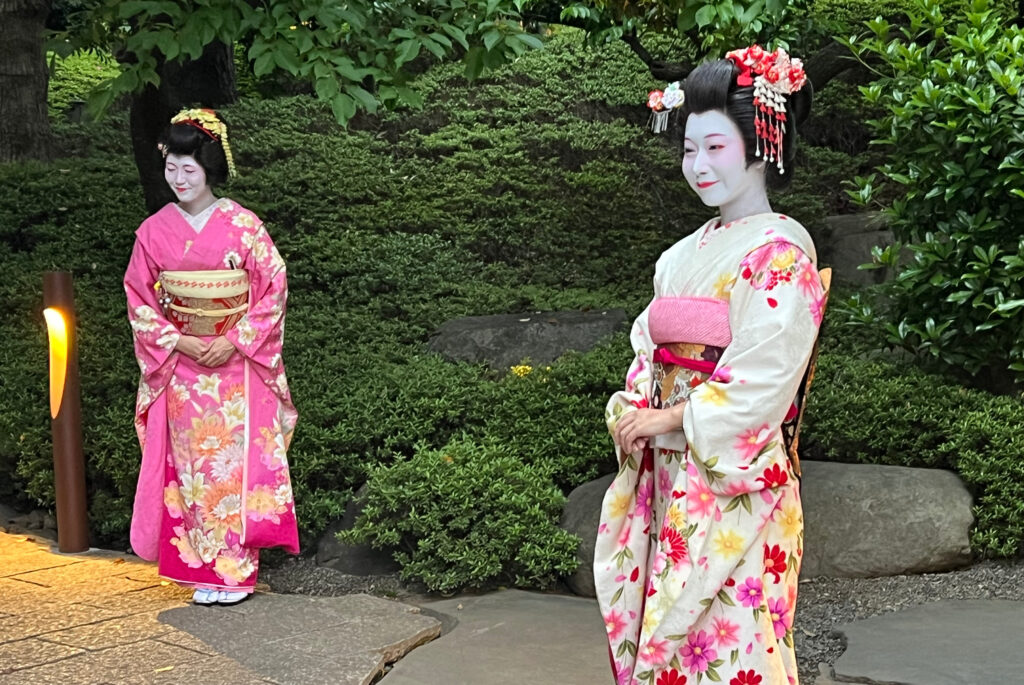
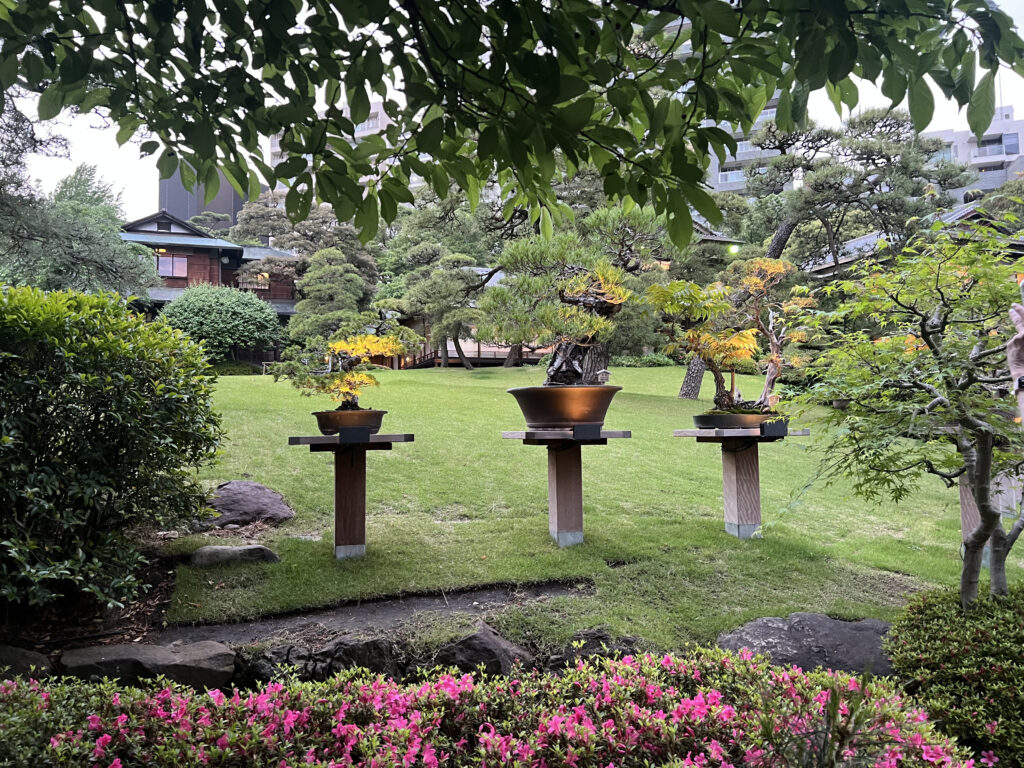
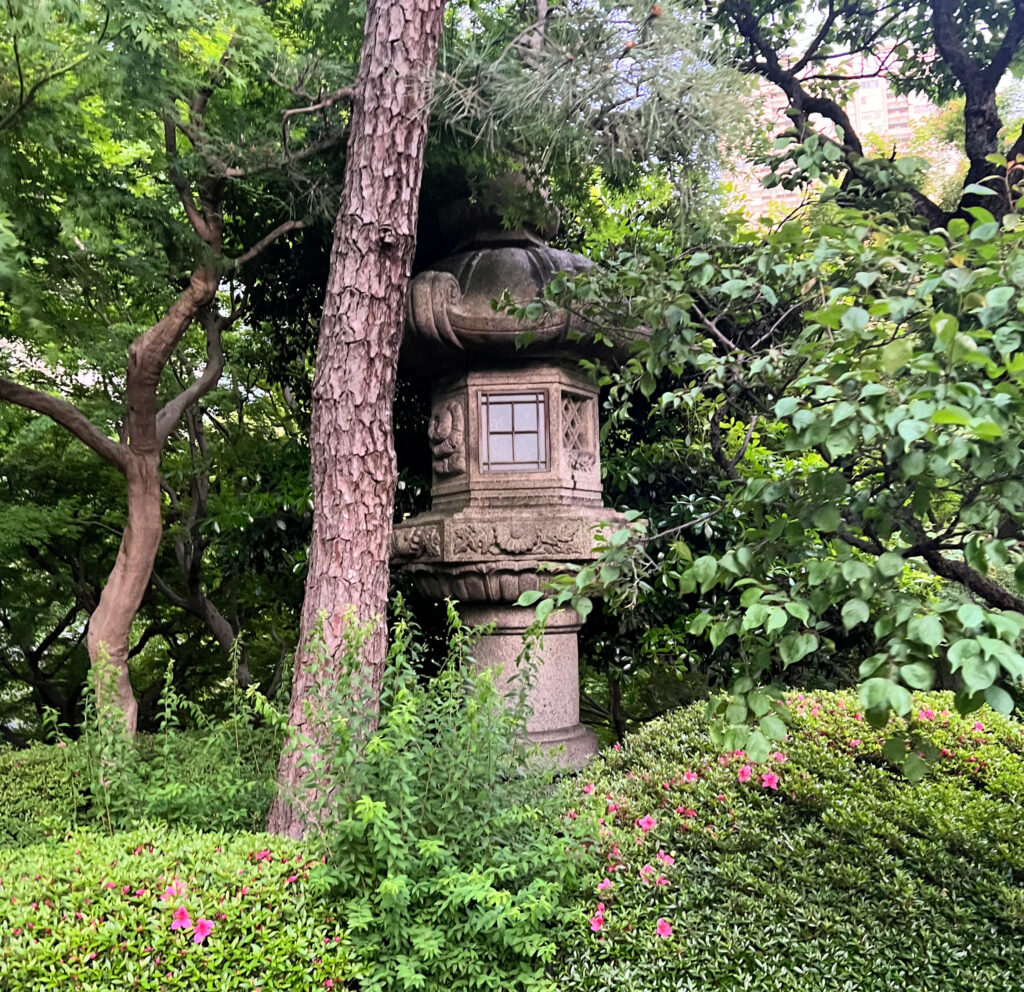
Our Farewell Dinner for the Sakura Seas tour was a garden reception and dinner at a restaurant in Tokyo. These are some pictures I took as we walked to the gardens. We thoroughly enjoyed our time in both South Korea and Japan.