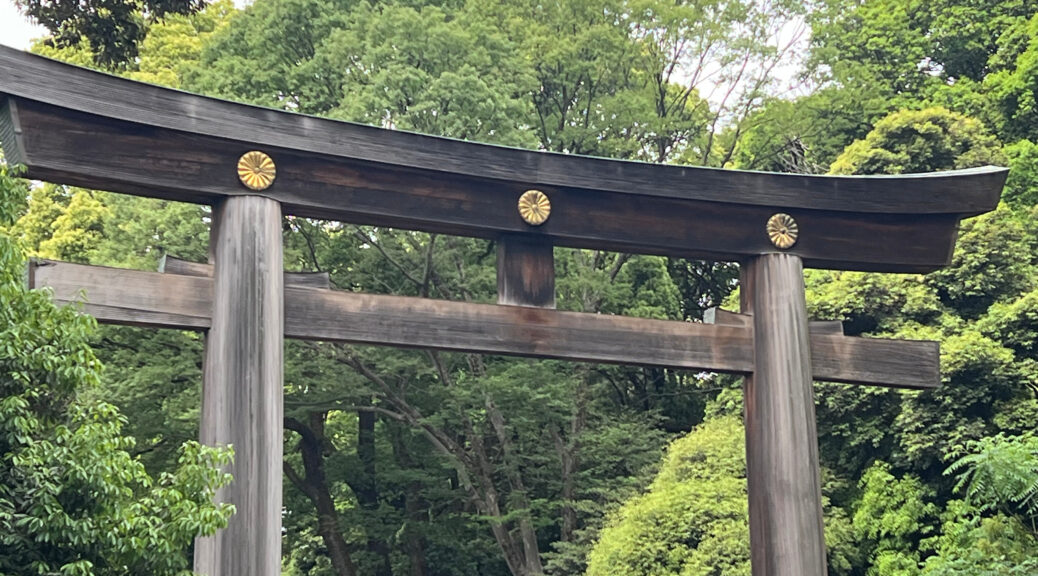
Meiji Shrine
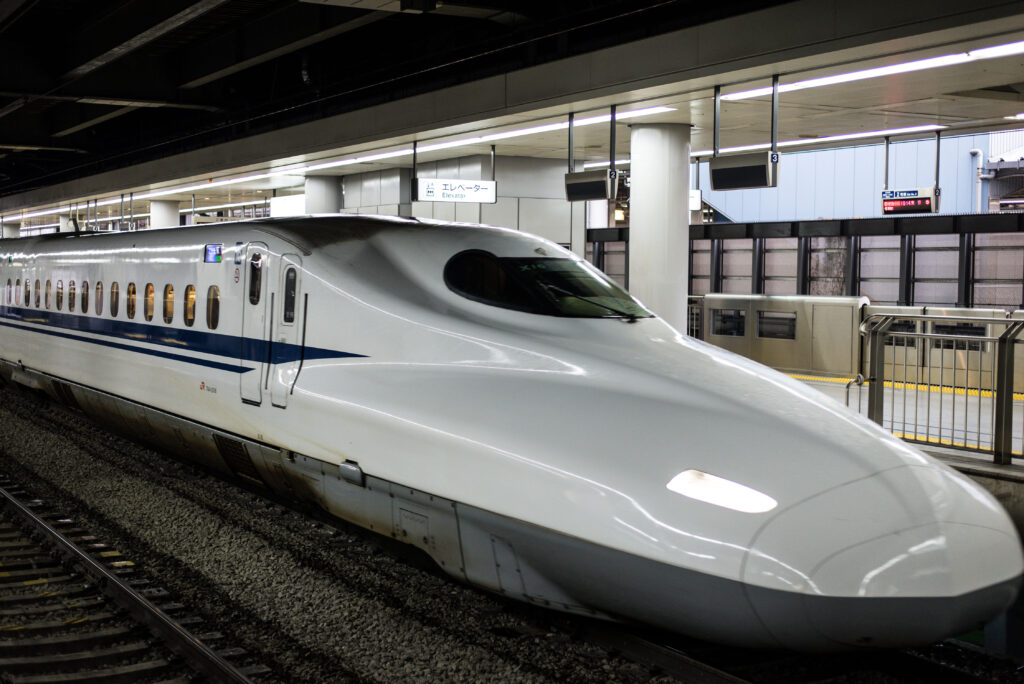
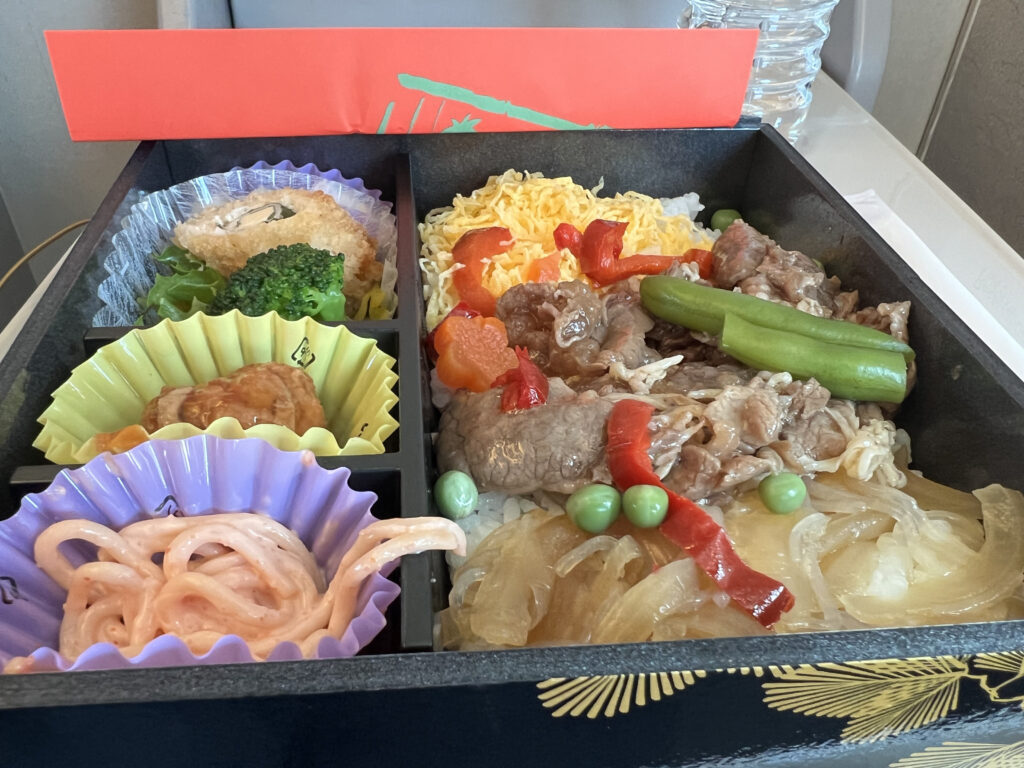
We sailed overnight to Osaka and then took the bullet train to Tokyo. Japan’s bullet train, known as the Shinkansen, is a high-speed rail network famous for its speed (up to 200 mph), comfort, and punctuality. The 300-mile trip took just over two hours. We were offered a bento box for our lunch. It is a “compact, single-portion packed lunch neatly arranged to stay fresh and appetizing.”
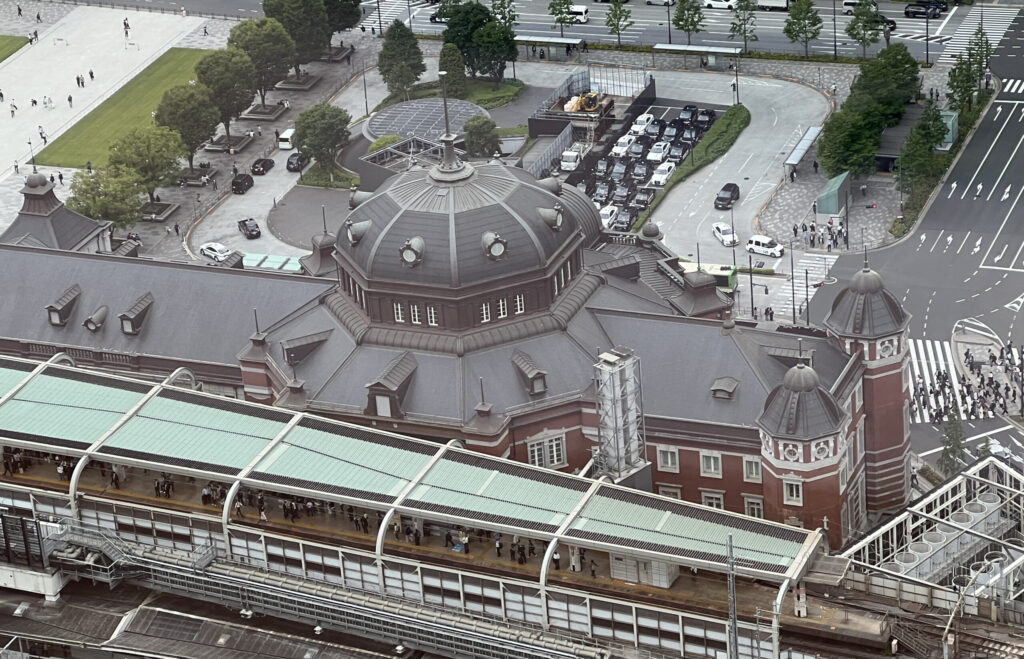
The last picture in this section is the train station in Tokyo. I took the picture from our hotel room.
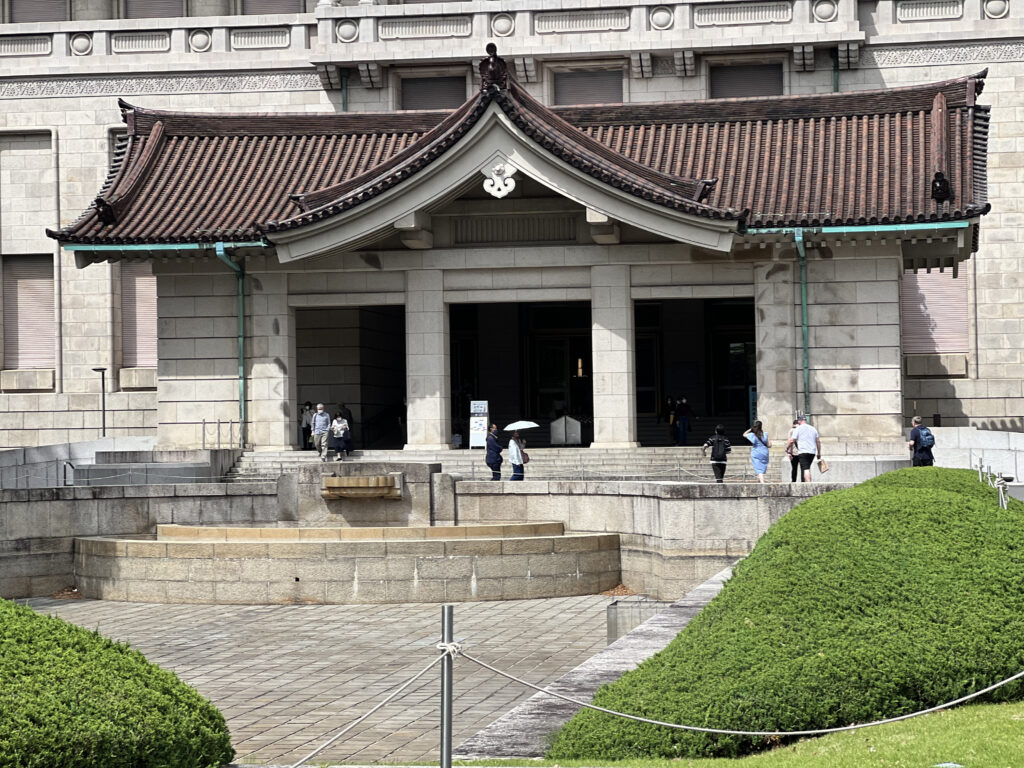
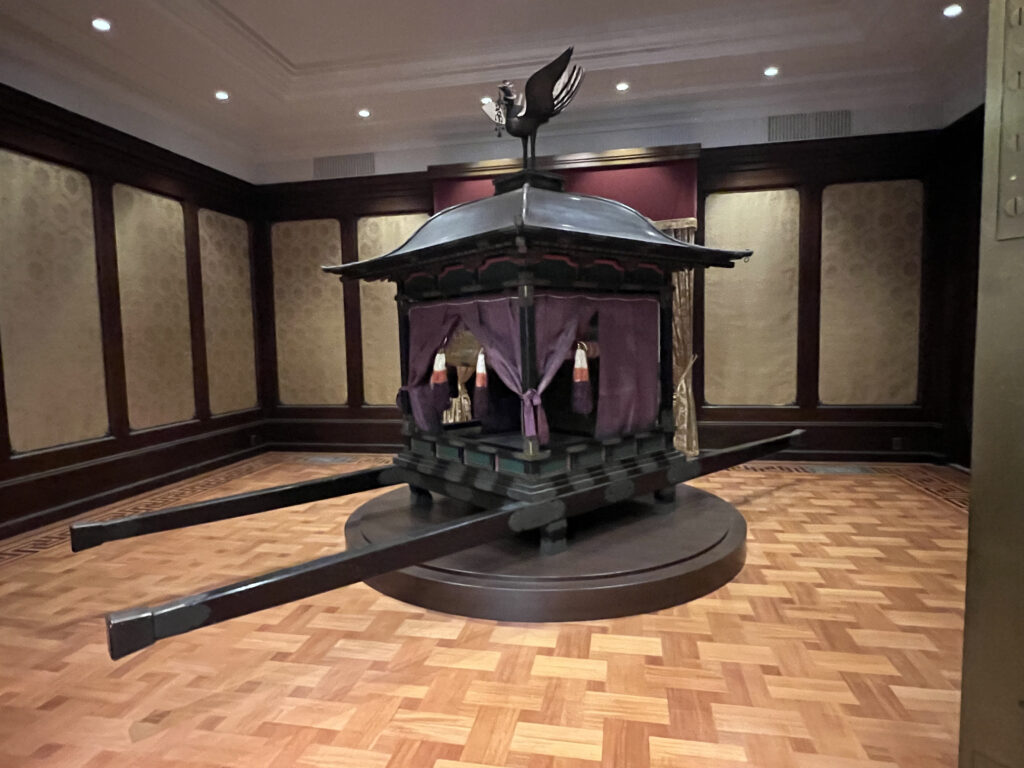
After arriving in Tokyo, we went to the Tokyo National Museum. Established in 1892, it is Japan’s oldest natiional museum. It has the largest collection of Japanese artworks and artifacts. The first picture below is the Imperial Palanquin which was in use during the 19th century. Emperors historically rode in palanquins during official outings.
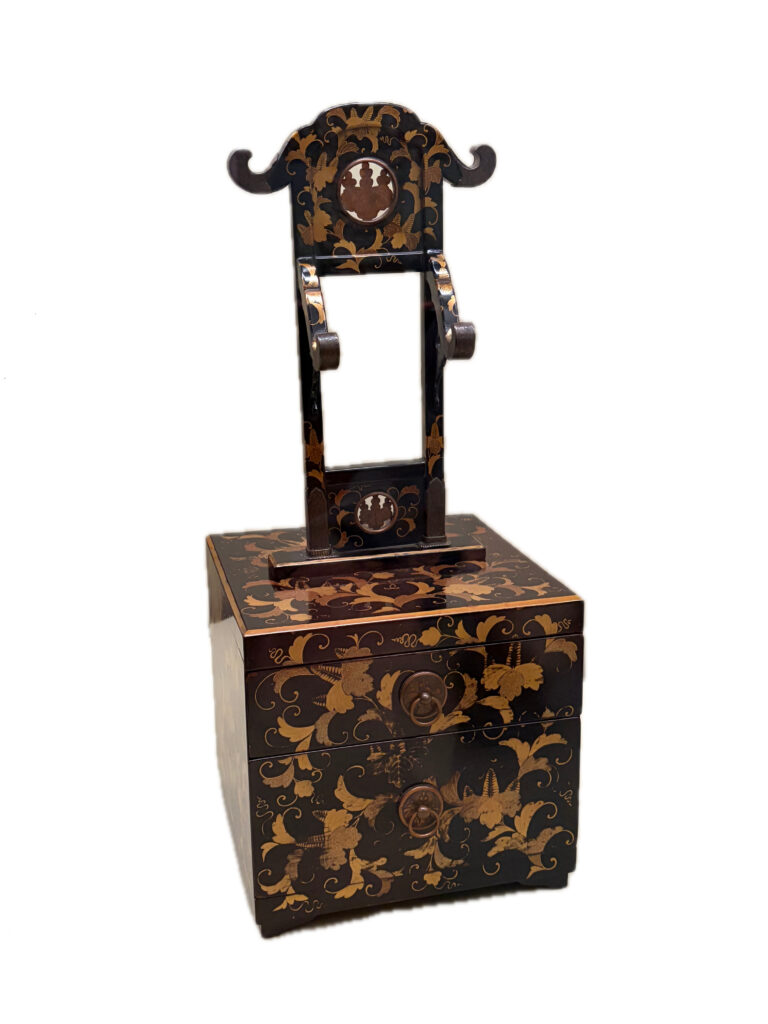
These are a few more items we saw in the Museum. Decorated with round family emblems, the third picture is a mirror stand, likely made for the wedding dowry of a samurai woman. The stand holds a mirror of polished bronze, while the drawers would have been used to store oshiroi (white face powder) and other cosmetics.
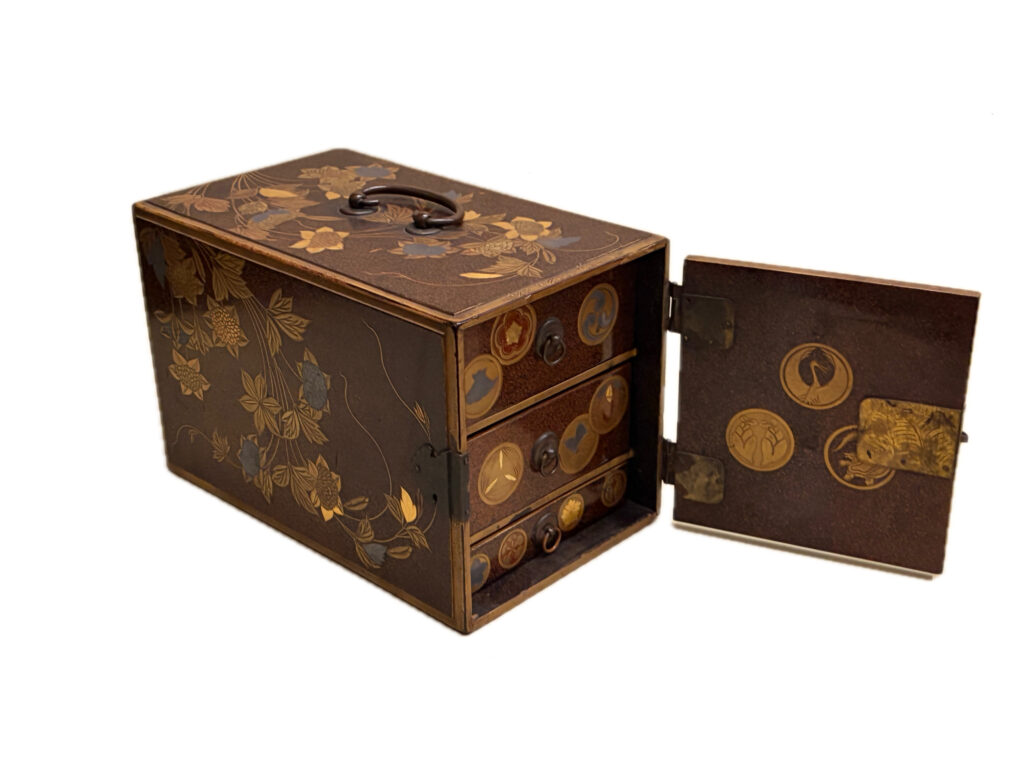
The last picture in this section is a miniature chest. It has a carrying handle and three drawers behind a lockable door. It was used to carry documents, writing tools, and other personal items.
The next day, everyone on our tour went to the Meiji Shrine. The Shrine is dedicated to Emperor Meiji and his wife, Empress Shoken. The Emperor is credited with establishing friendships with other countries while preserving Japanese traditions. His work laid the foundation for modern Japan. Empress Shoken supported national welfare and women’s education.
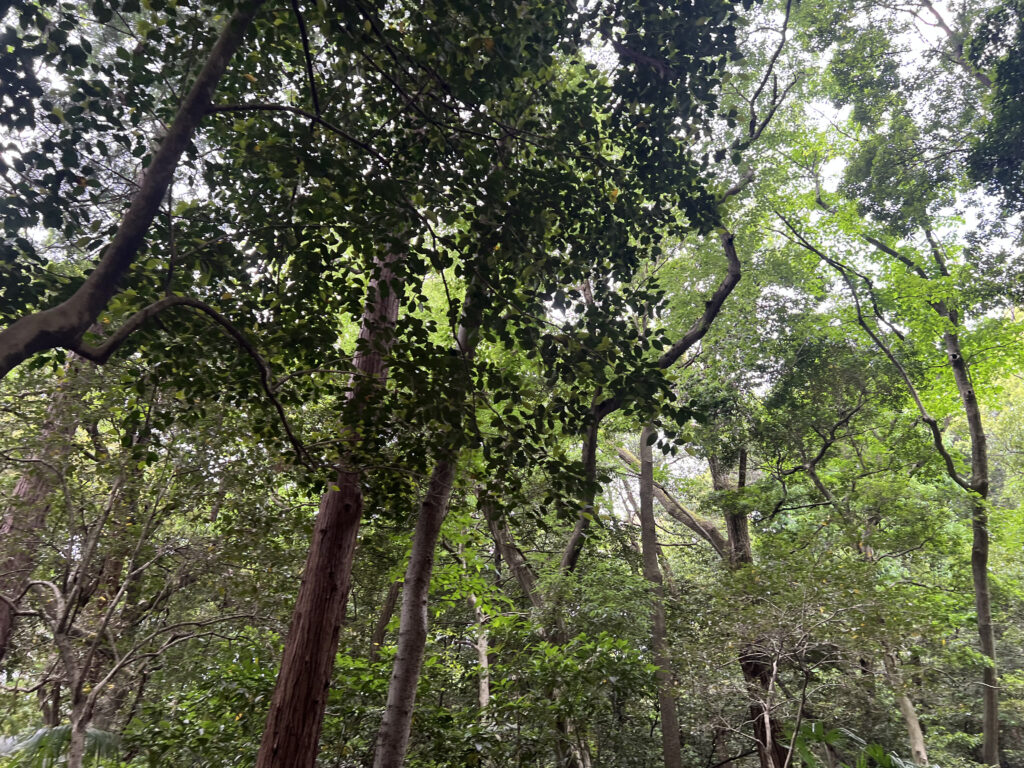
The Shrine and surrounding forest were originally built in 1920. About 100,000 trees were donated from all over Japan and planted by young volunteers to create the forest. Much of the shrine complex burned down in 1945 due to World War II air raids. Fortunately the forest survived. The Shrine was rebuilt in 1958.
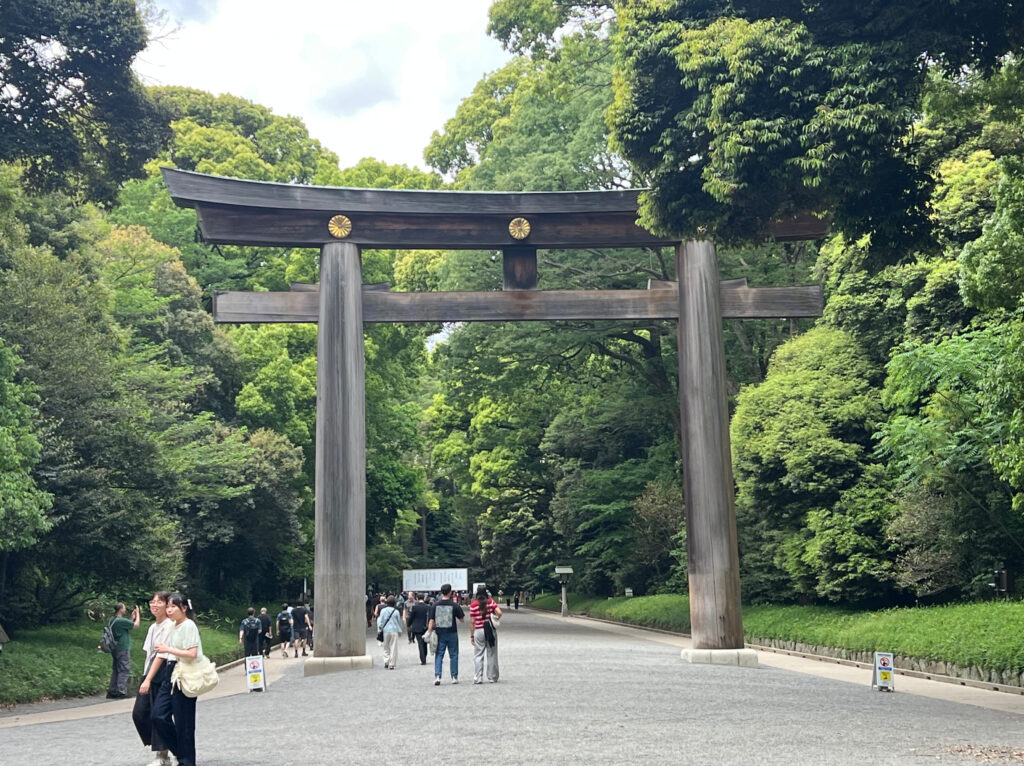
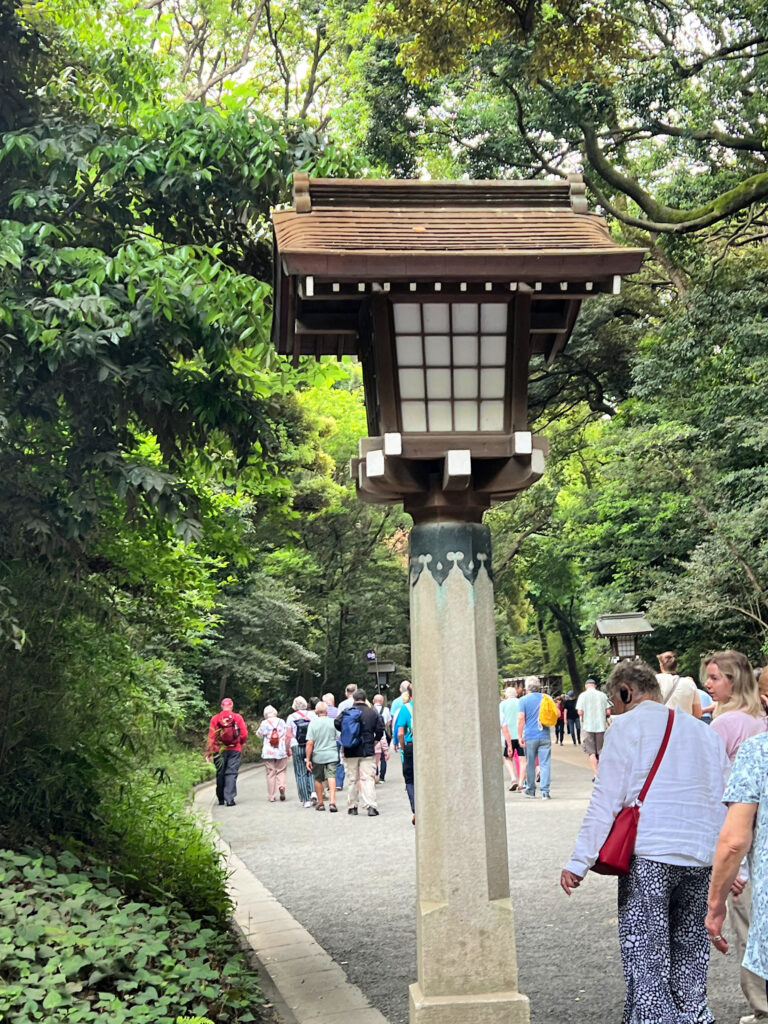
The picture below is the torii referred to as the” Grand Shrine Gate.” It was originally built in 1920 but the present one was rebuilt in 1975. Its size and form match the original torii. It is almost 40 feet high and each post is nearly four feet in diameter. It is made of Japanese Cypress that comes from Mt. Tandai, north of Tokyo. Also pictured are some of the trees on the Meiji Shrine grounds.
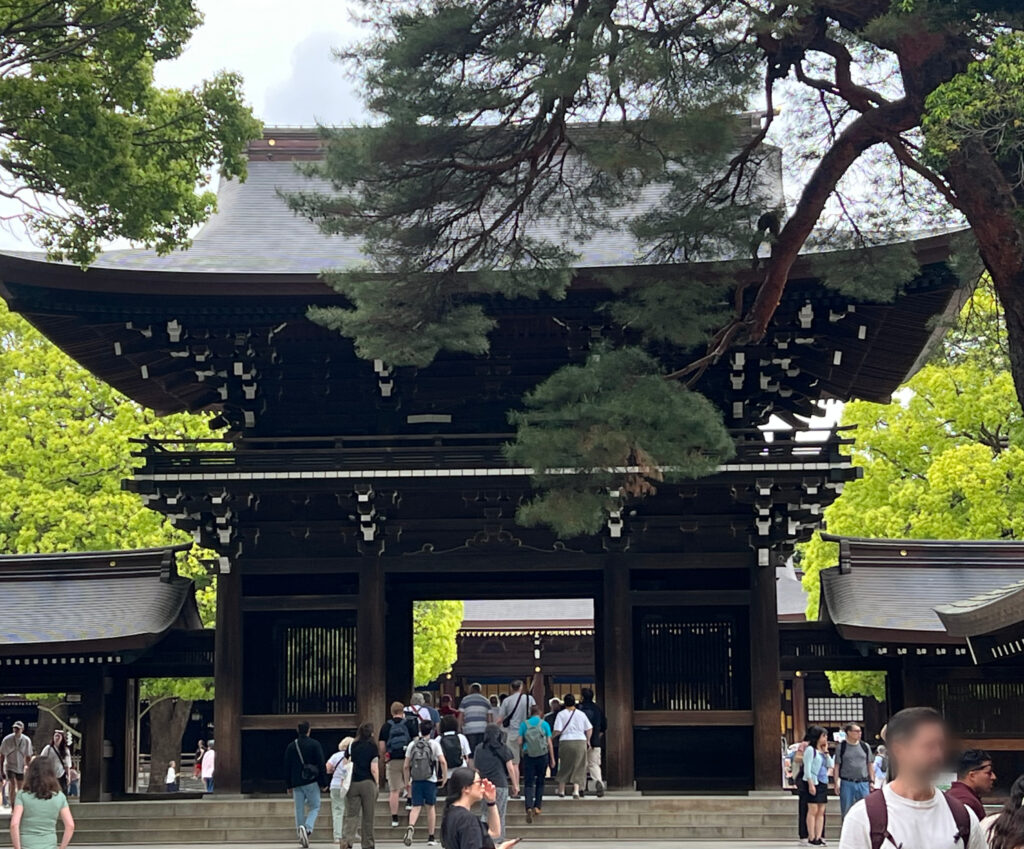
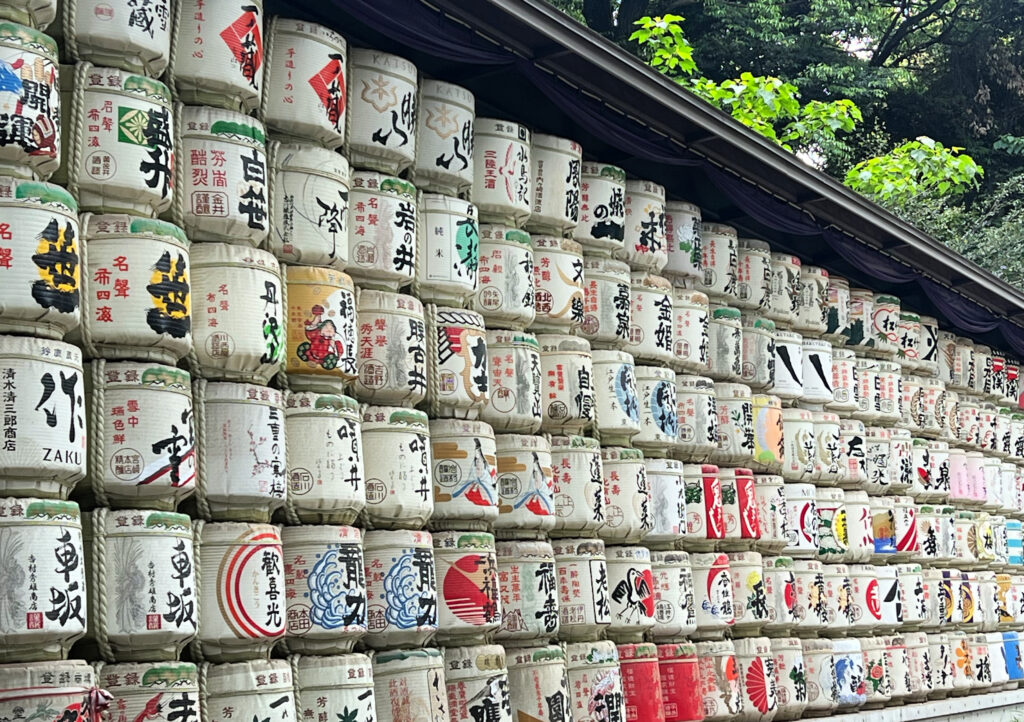
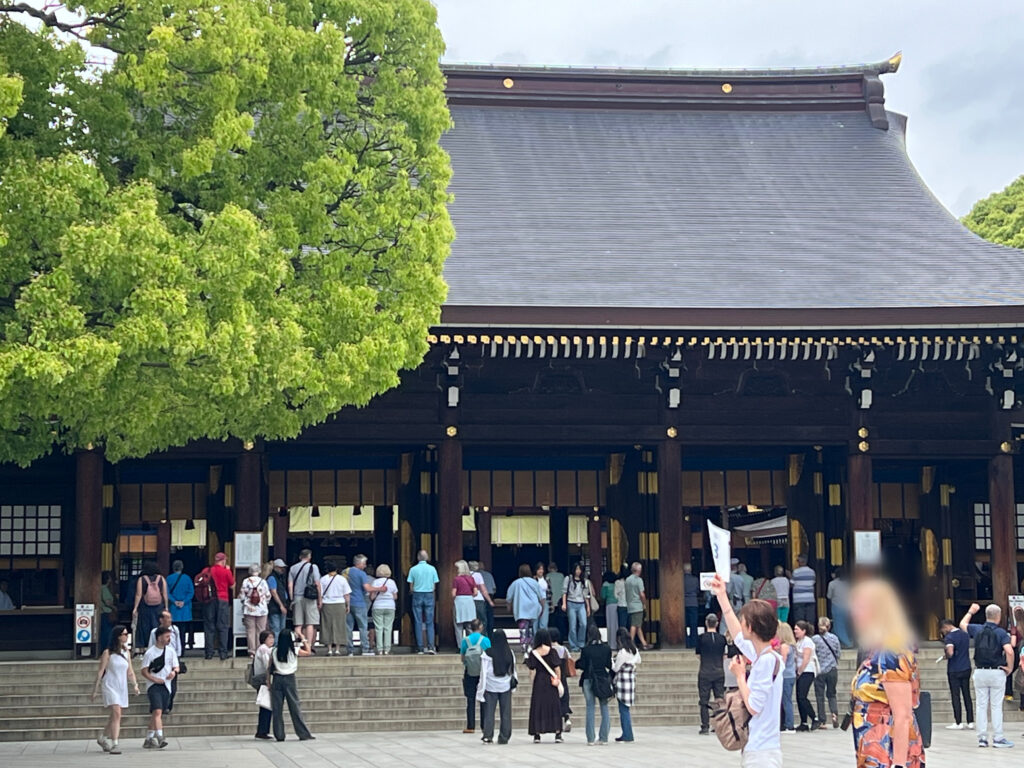
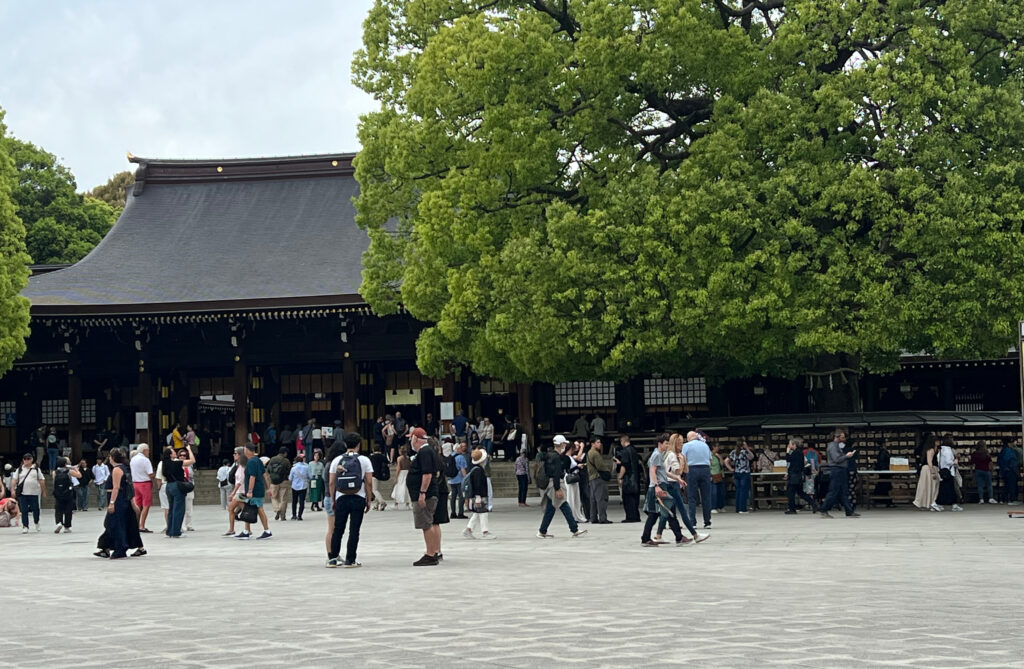
Pictured below is one of the gates on the Meiji Shrine grounds, sake barrels and the Shrine’s main sanctuary. We could walk up to the sanctuary to view inside, but photographs were not allowed.