Colmar, France
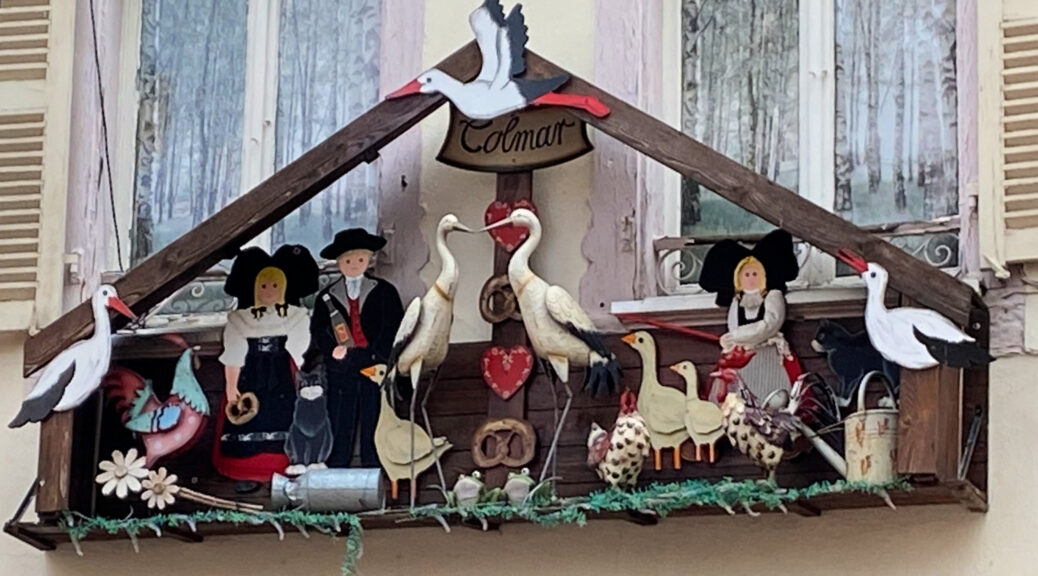
After leaving Bern we boarded our ship and began our cruise up the Rhine River. Our first port of call was Colmar, France. During medieval times, Colmar was an important trading town. In the 17th century it was annexed by France, but kept much of its German traditions. The city shifted between French and German control four times between 1871 and 1945 when it became a permanent part of France. Today, French is the official language but many older residents still speak a German dialect. The architecture is German and the cuisine is a unique blend of food reflecting both the German and French cultures.
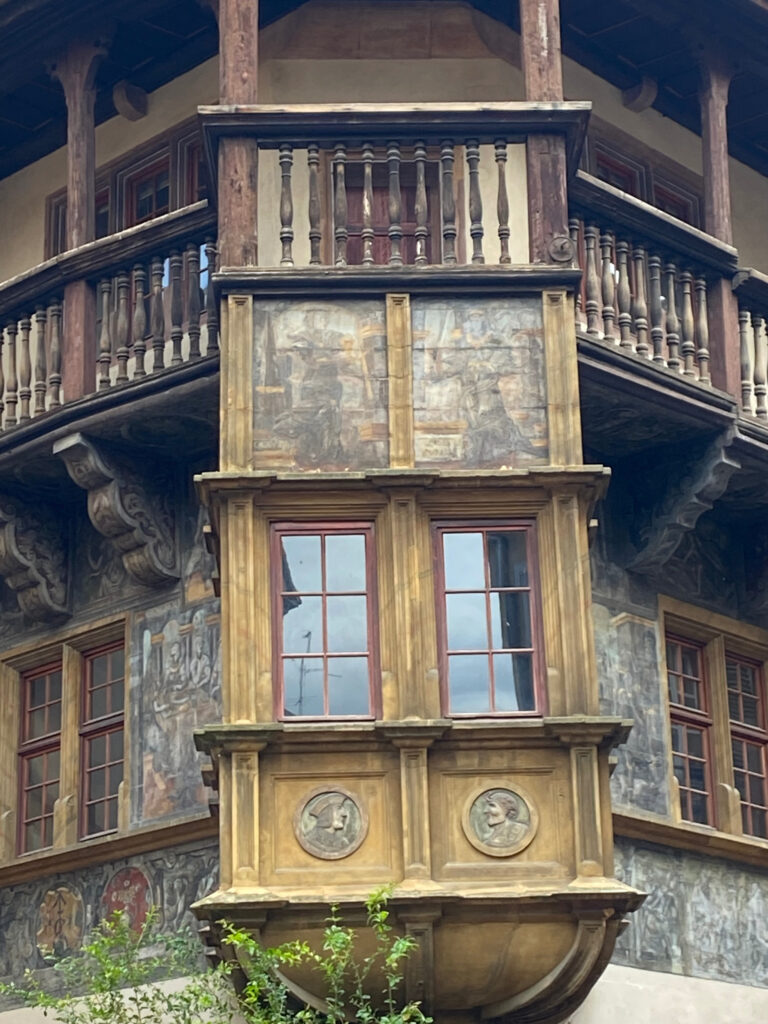
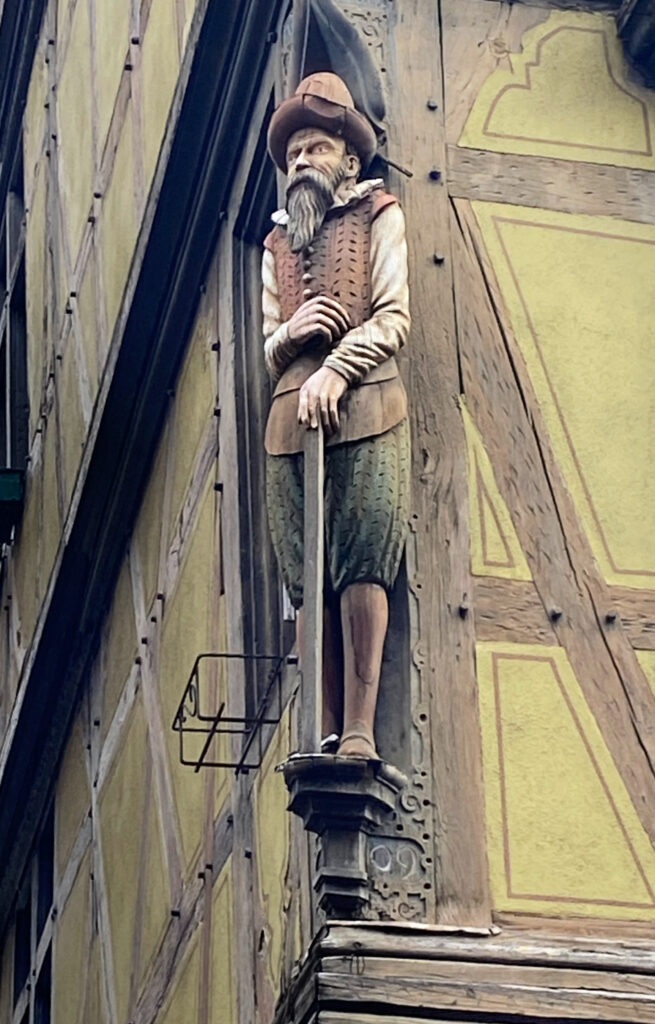
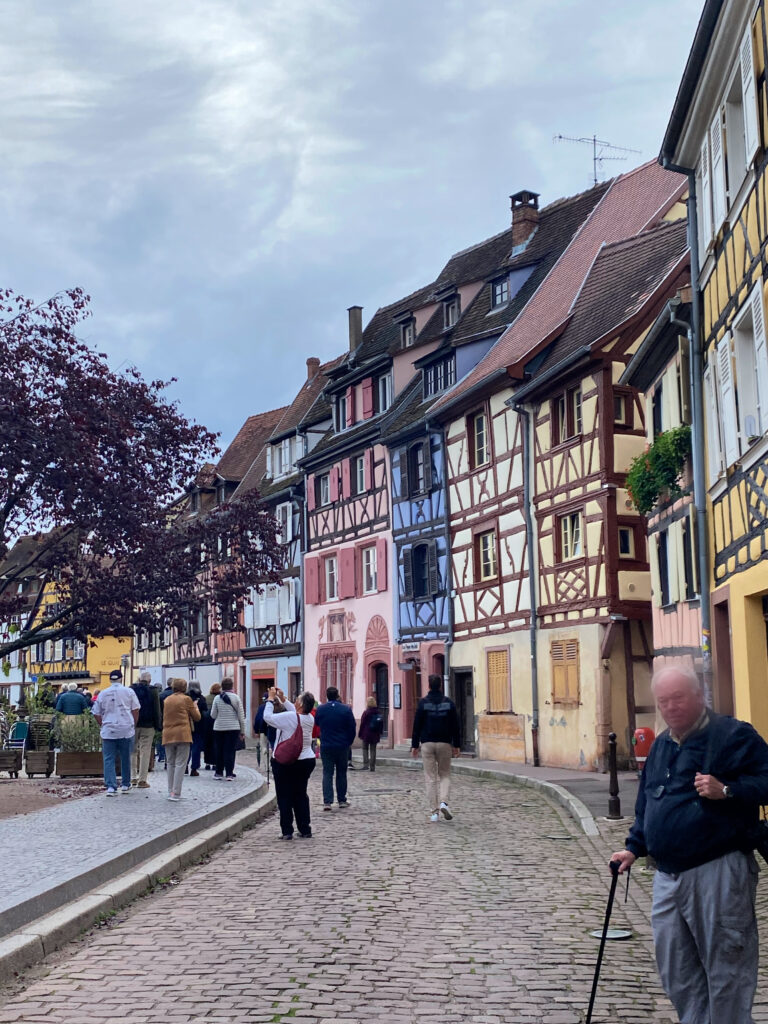
We first did a walking tour with our local guide. We found cobblestone streets, canals, beautiful flowers, and colorful buildings, many dating back to the 1200s to 1400s. One of the most famous houses is the Pfister House, dating back to the 16th century. Before 1679, local laws required that buildings in this area be built with sandstone. This is the yellow color seen in the building.
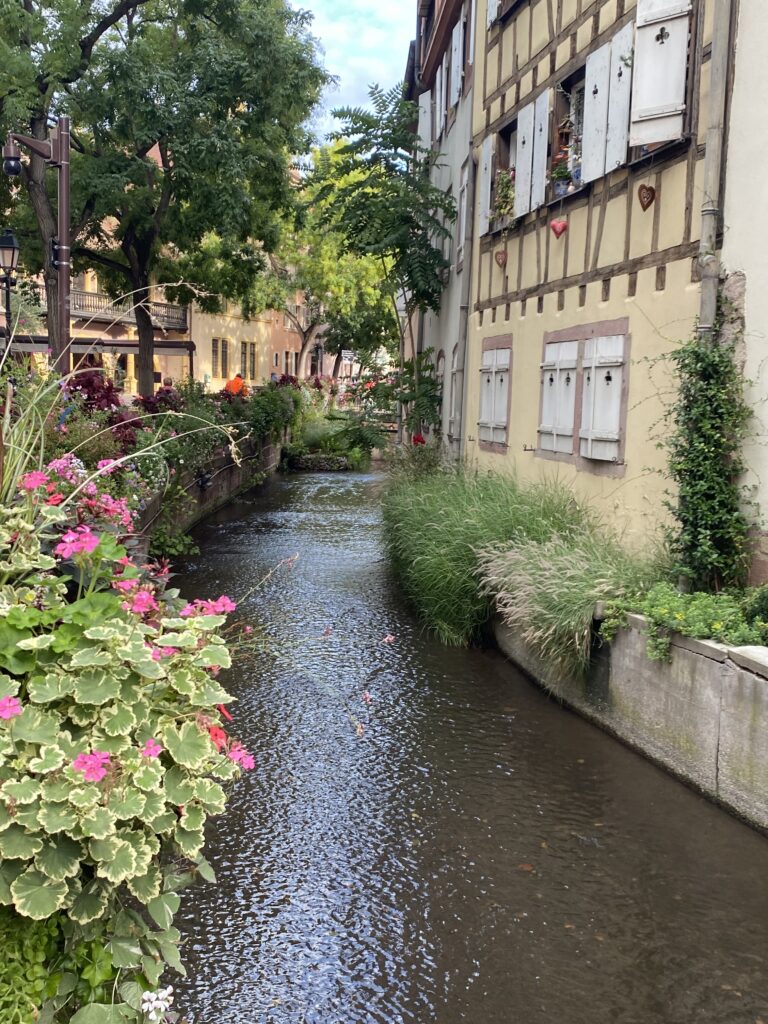
One of the neighborhoods is known as Little Venice because of its many canals. It is a beautiful area and popular with tourists.
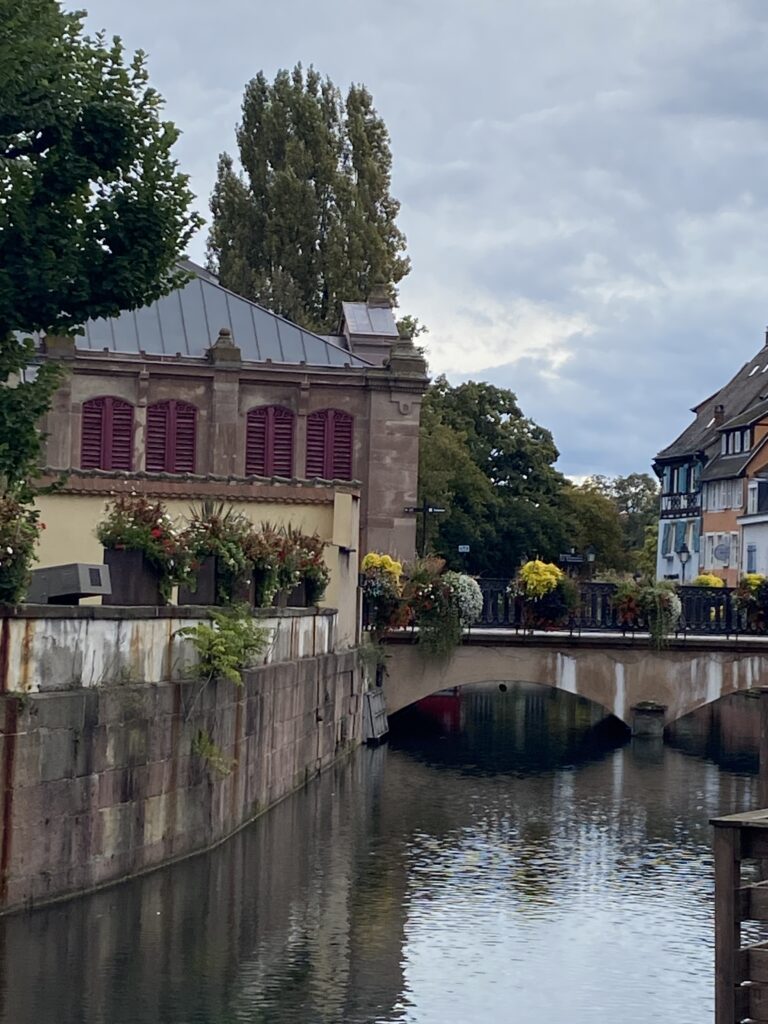
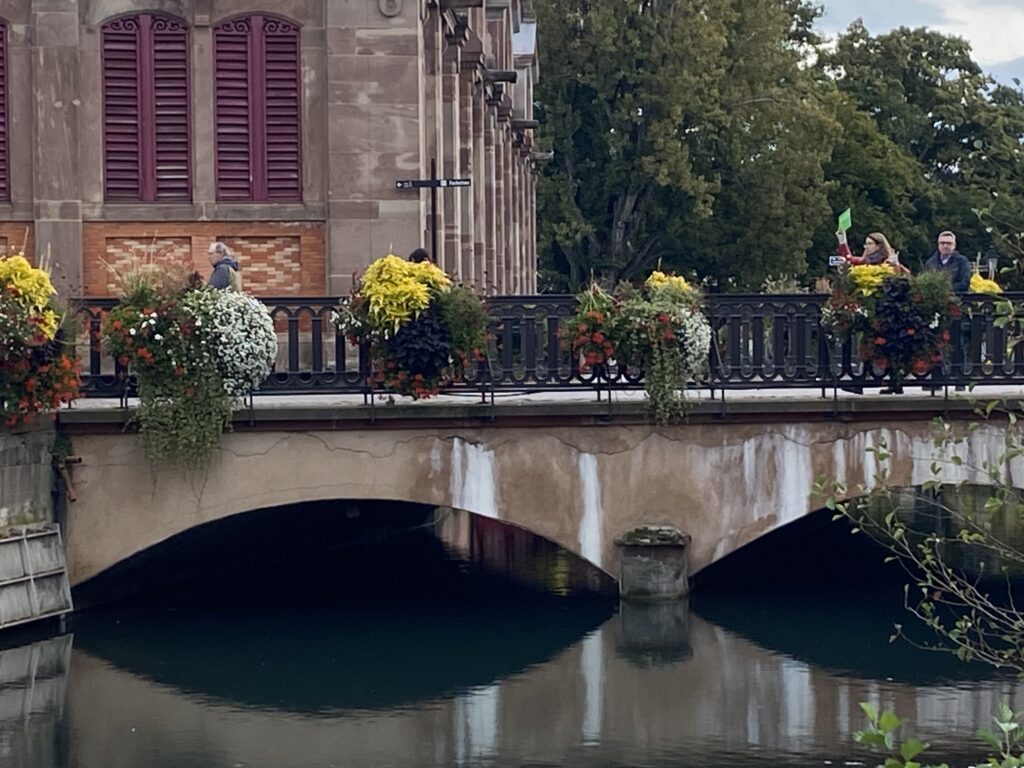
Merchants’ houses were originally painted according to the particular business in which the owners were engaged. This way, people who couldn’t read knew where to shop for specific items. The tradition of colorful houses has continued, resulting in beautiful homes lining the cobblestone streets.
The blue houses are the fishmongers’, the green ones the market gardeners’, the white ones the bakers’, the yellow ones the cheese makers’ and the pink ones… the fancy ladies’.
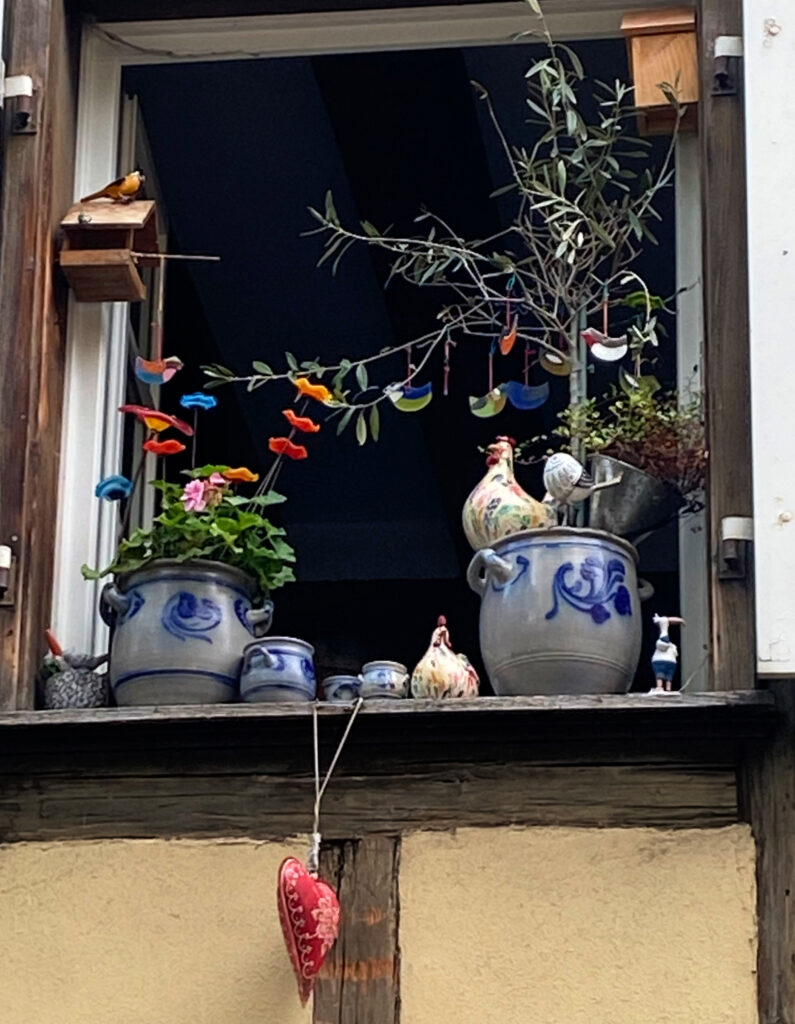
Many of the houses have wooden shutters featuring heart-shaped cutouts, which historically indicated that a girl was single and could be courted. The windows are also famous for being decorated with colorful flowers and other displays.
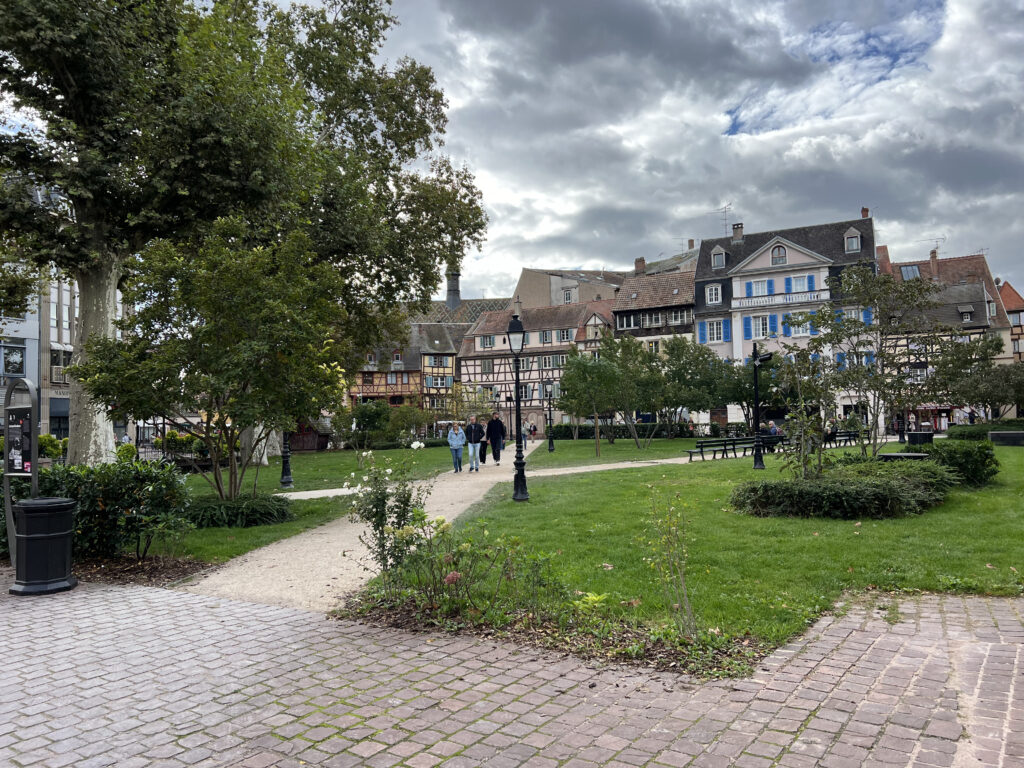
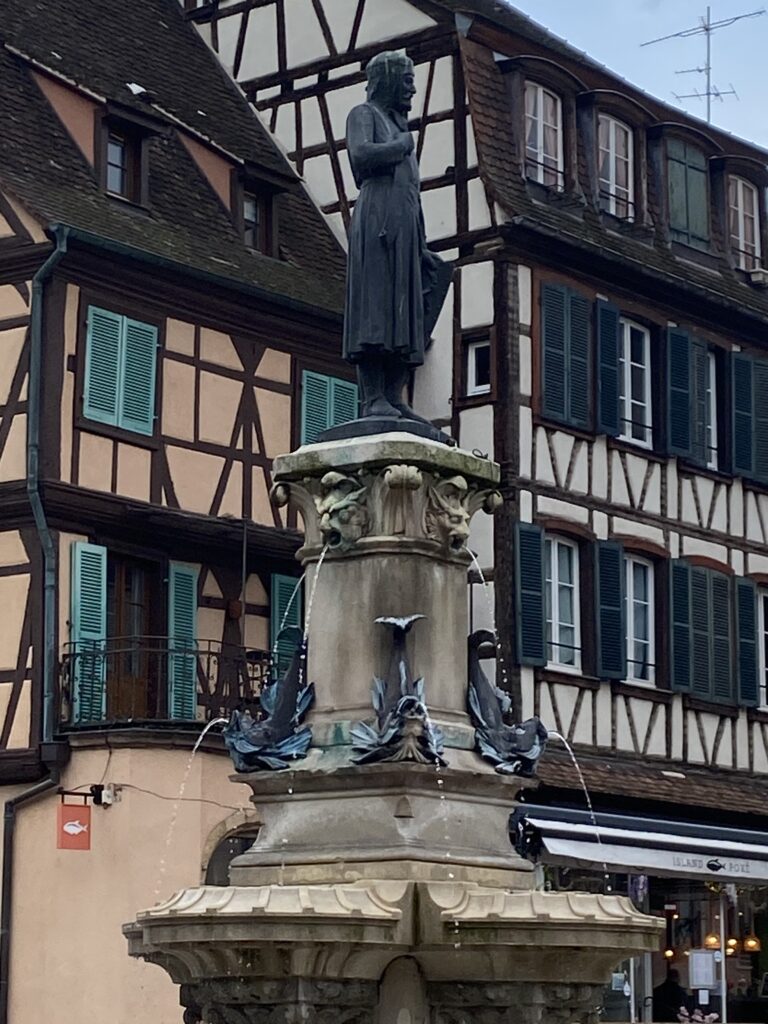
We also saw two fountains. The first picture below is the Rosselmann Fountain. It was made by Frederic Bartholdi, a French sculptor best known for designing the Statue of Liberty. He was born in Colmar. Jean Rosselmann was a judge in Colmar during the 13th century. Nobility fired him and banished from the city. Rosselmann smuggled himself back into Colmar by hiding in a wine barrel. After that, he helped defend the city from Bishop Walter Geroldseck, known for his excessive taxation of the citizens. In one of the battles, Rosselmann was killed and became known as the first hero of Colmar.
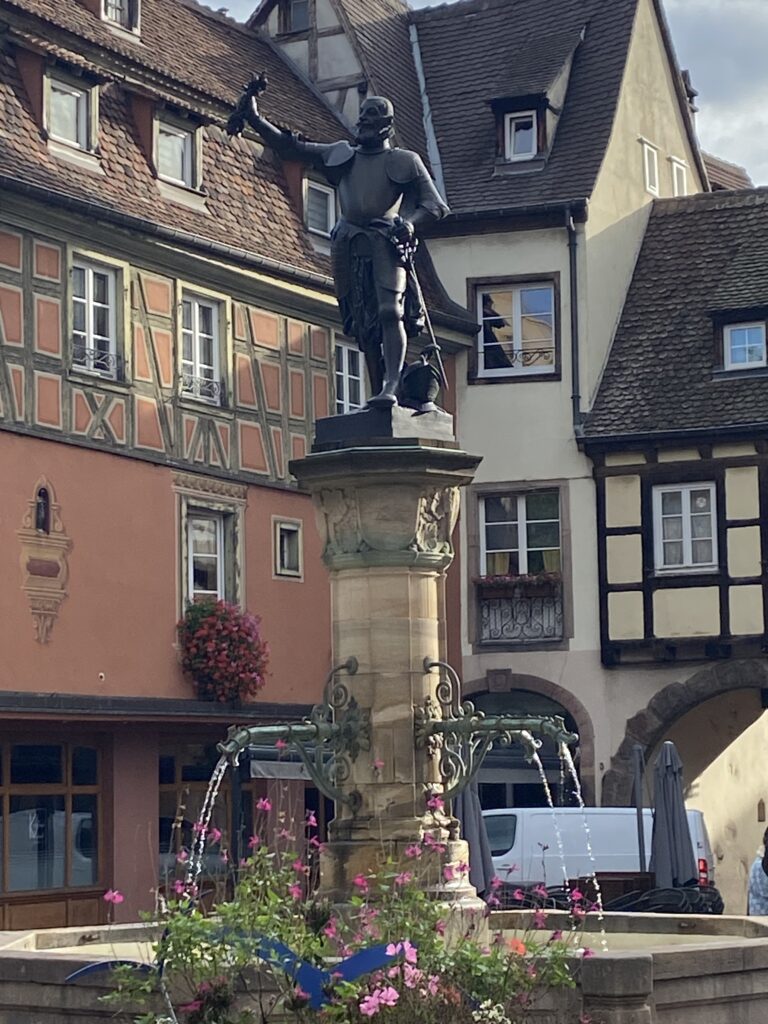
The second picture is of the Schwendi Fountain, featuring Lazarus von Schwendi. He was a 16th century military hero. This statue was also designed by Frederic Bartholdi. Interestingly, Von Schwendi is also holding a vine. In addition to his military background, he introduced the Pinot Gris grape to this region which is the base for all the Alsace wine for which the area is known.
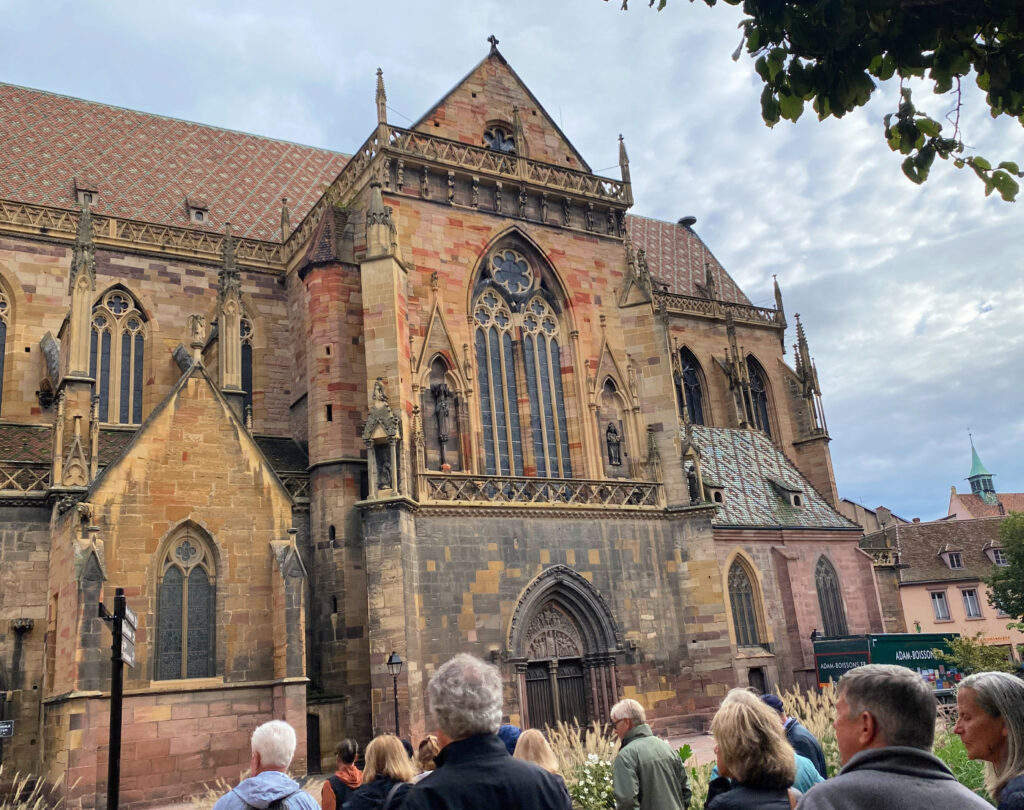
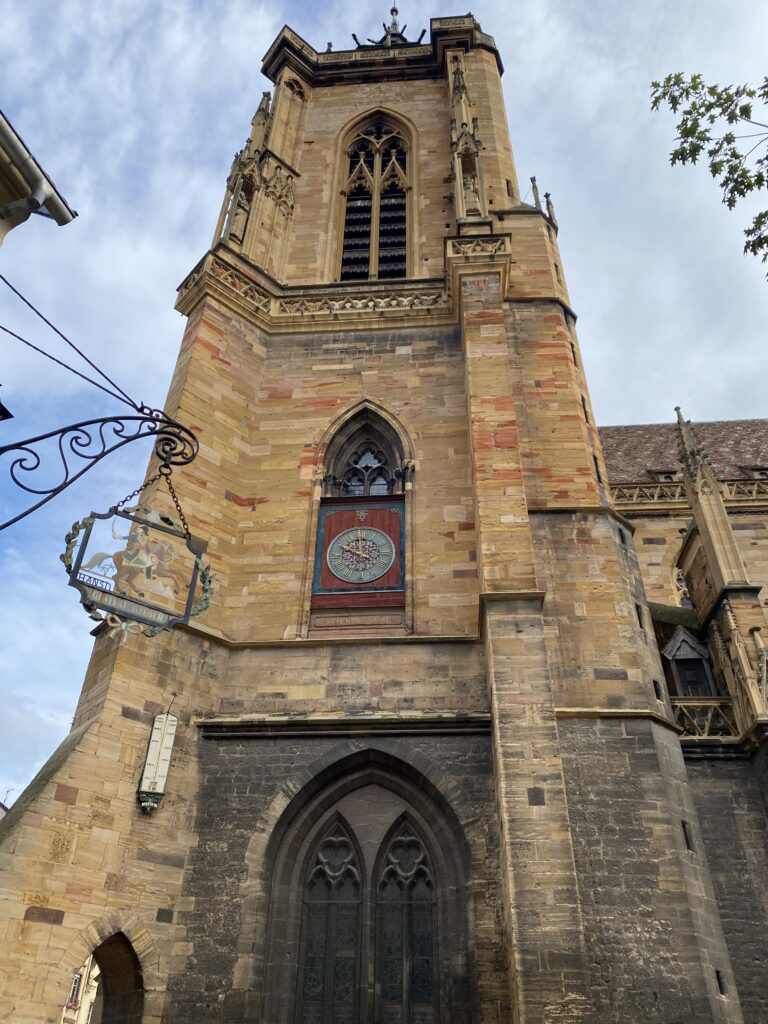
These are pictures of St. Martin’s Church and its bell tower in Colmar. The present building was constructed between 1234 and 1365. Altarpiece panels dedicated to the Life of Christ were at the church between 1465 and 1720. It was then the altarpiece panels were dismantled and the paintings were dispersed. Surviving panels are on display at the Unterlinden Museum. I will write more about these panels in my next post.