Sanjusangendo Temple and the Golden Pavilion
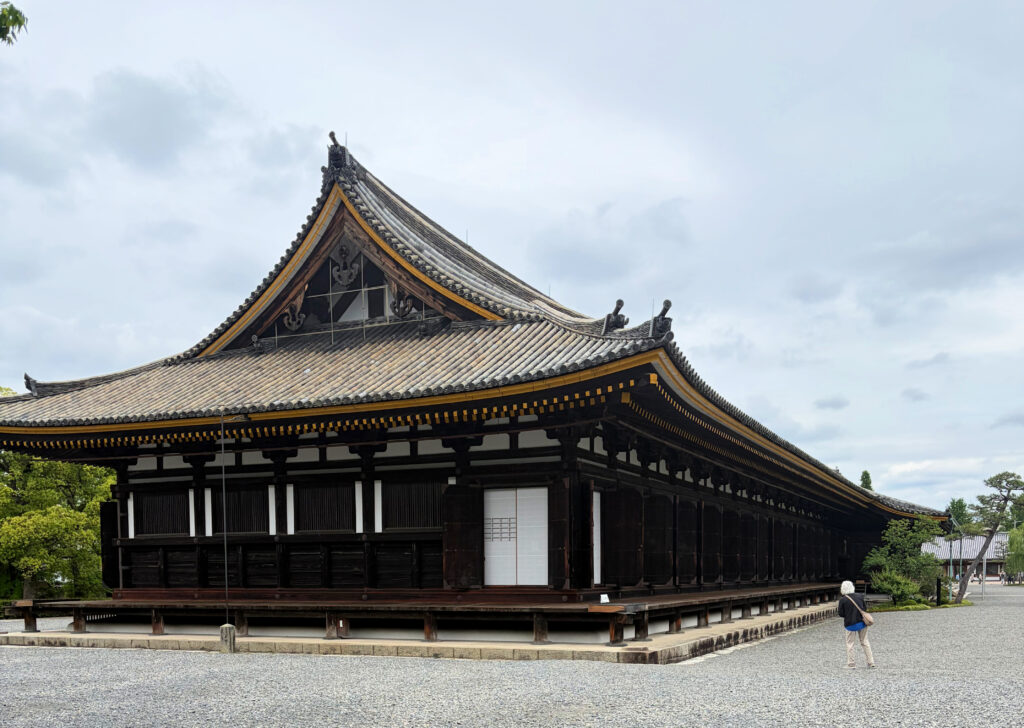
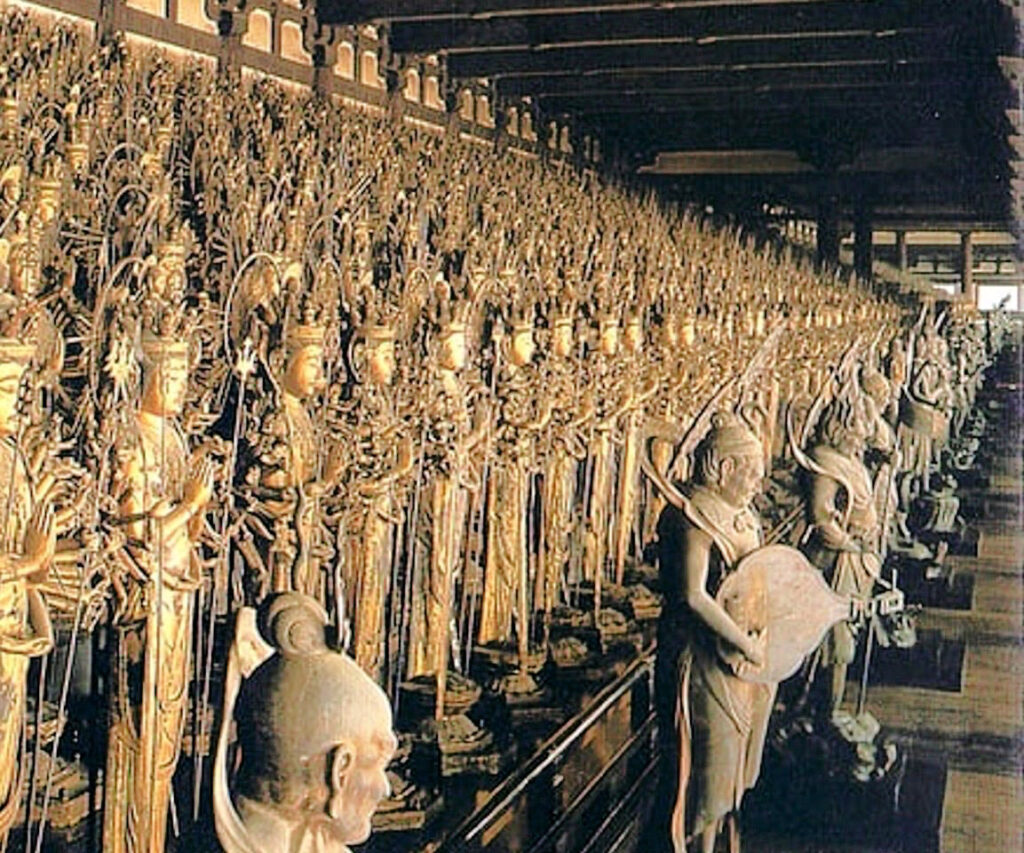
We next docked in Kobe, also on the island of Honshu. My husband went on an excursion that took him to Kyoto where he visited the Sanjusangendo Temple, a Buddhist temple. Originally built in 1164, it is famous for its 1,001 statues of Kannon, the goddess of compassion. The Temple is almost 400 feet long, the longest wooden structure in the world, and the Kannon statues line its entire length. The Temple burned down in 1249 but the main hall was rebuilt in its original form and completed in 1266.
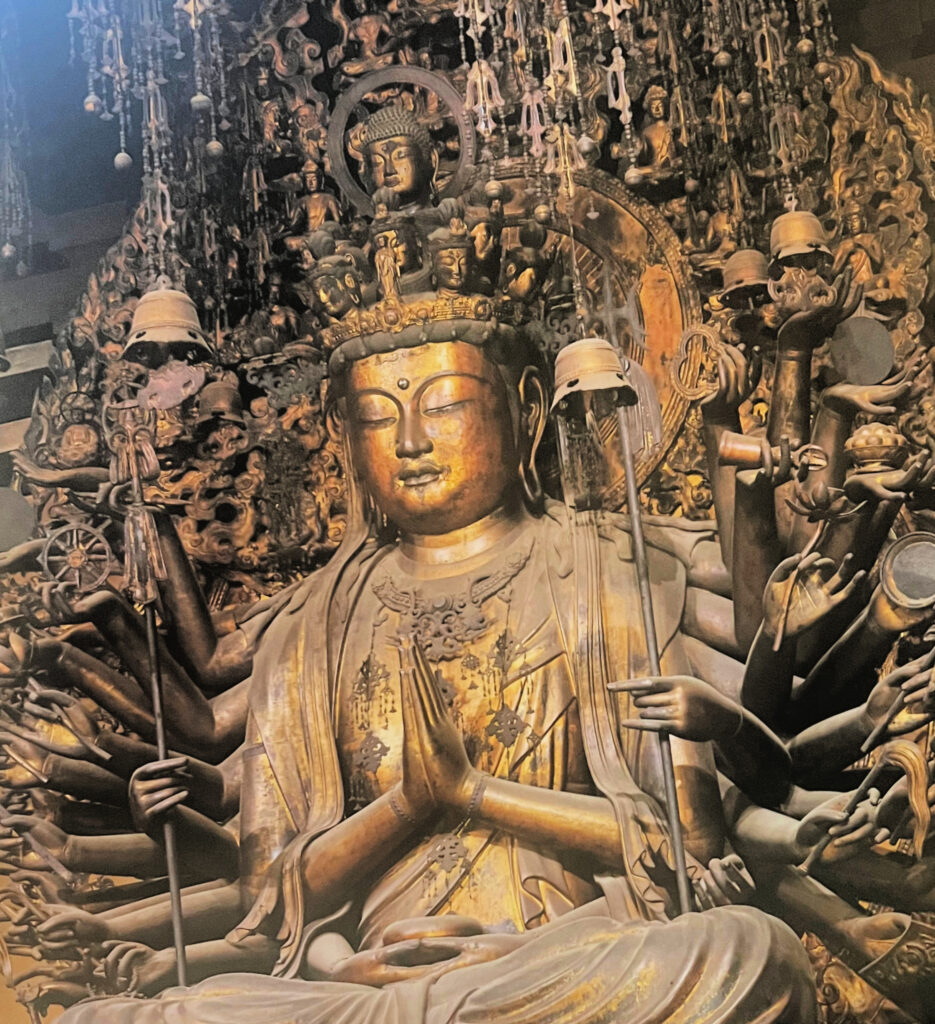
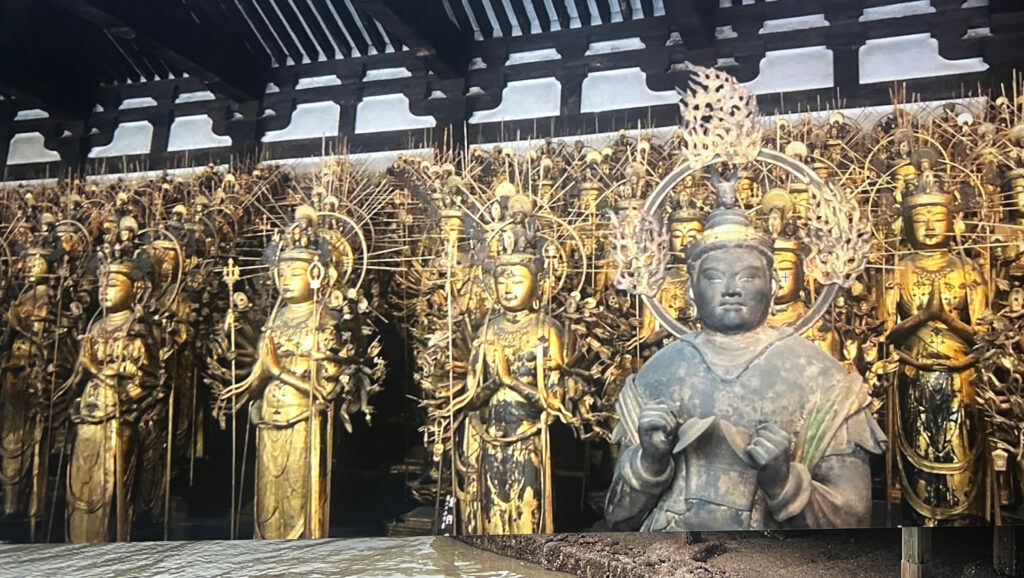
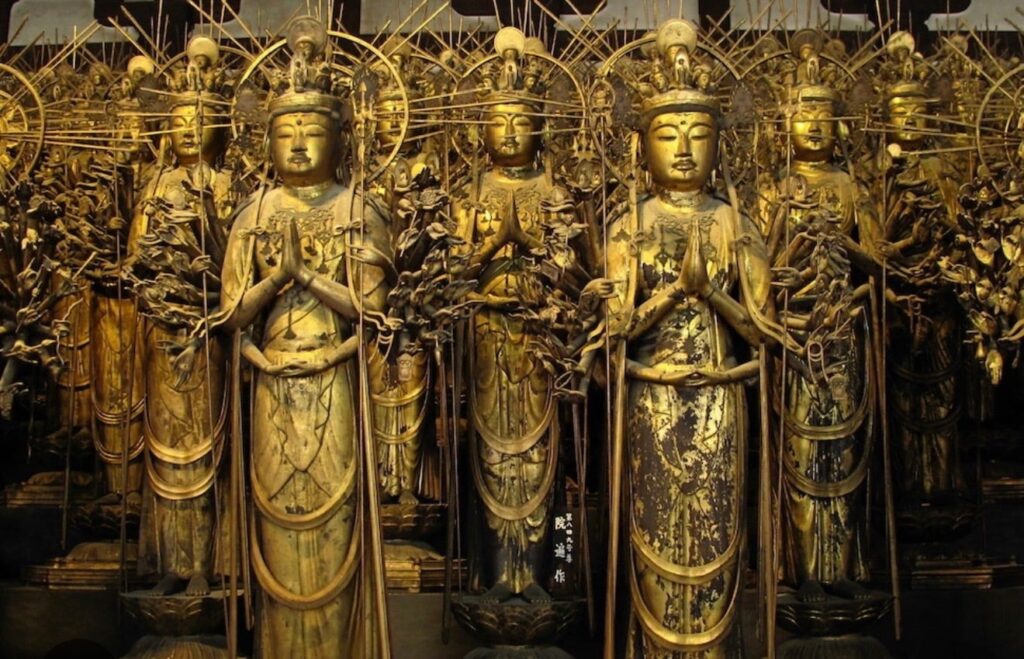
The 1,001 statues of Kannon are made of Japanese cypress covered in gold leaf. Of these, 124 are originals saved from the 1249 fire, while the rest were replaced in the 13th century. One thousand human-sized statues stand on either side of a much larger statue of Kannon who is seated. Pictured below, the seated Kannon has eleven heads to better see the suffering of mankind, and 1,000 arms to save everyone in need.
These are more of the 1,001 statues of Kannon. Not only is the hall filled with the thousand golden Kannon statues, but another 28 sculptures of Buddhist deities stand in front of them as guardians.
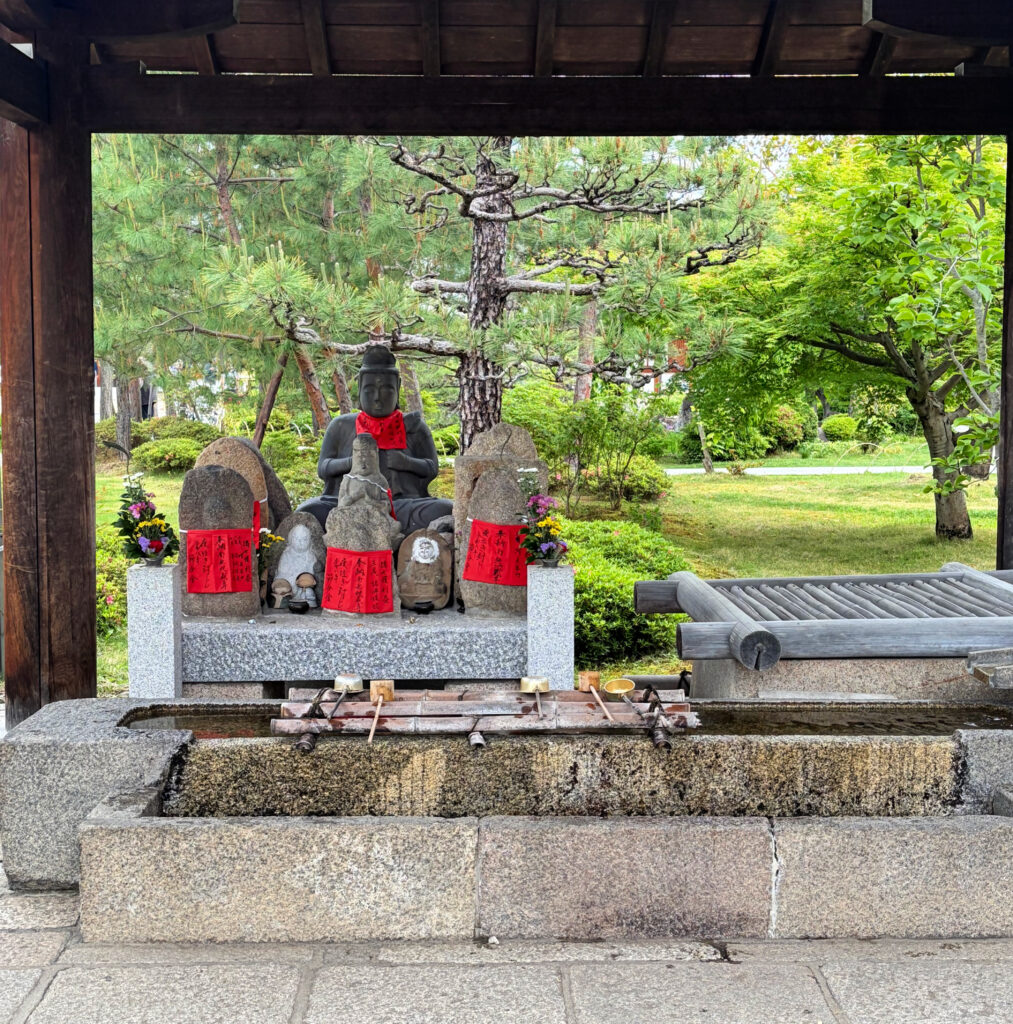
The next picture is a spring that could be used by worshippers. The sound of the water gushing is like a human cry so the spring was named “The Spring Crying in the Night.”
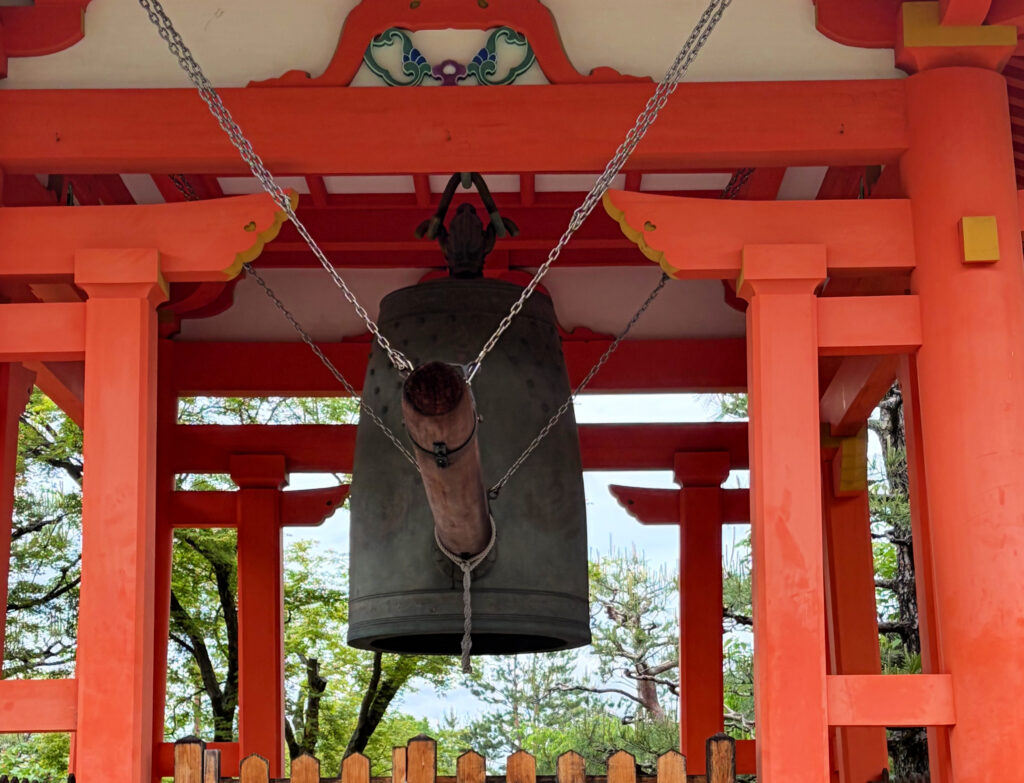
Also pictured is the bell located in the Temple’s garden area. The bell is rung by monks to announce prayer services and to create a calming atmosphere for meditation.
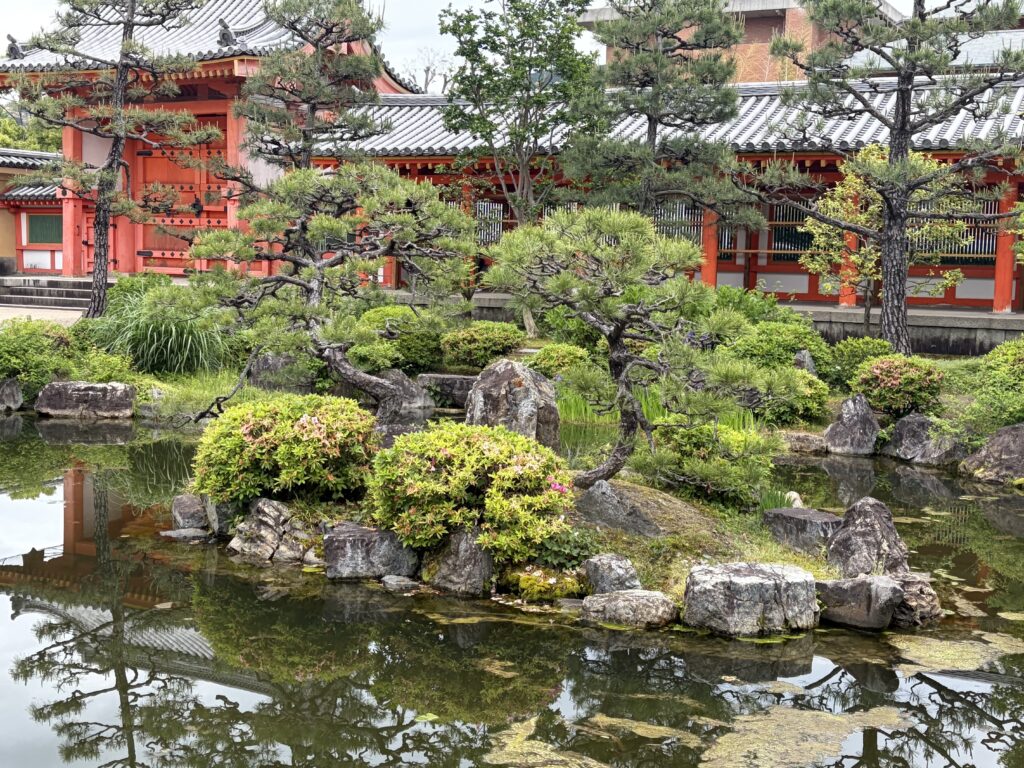
The last picture is the garden, Totei Chisen Kaiyu-shiki Garden, located near the main hall. The garden includes trees, stones, and rocks around a central pond.
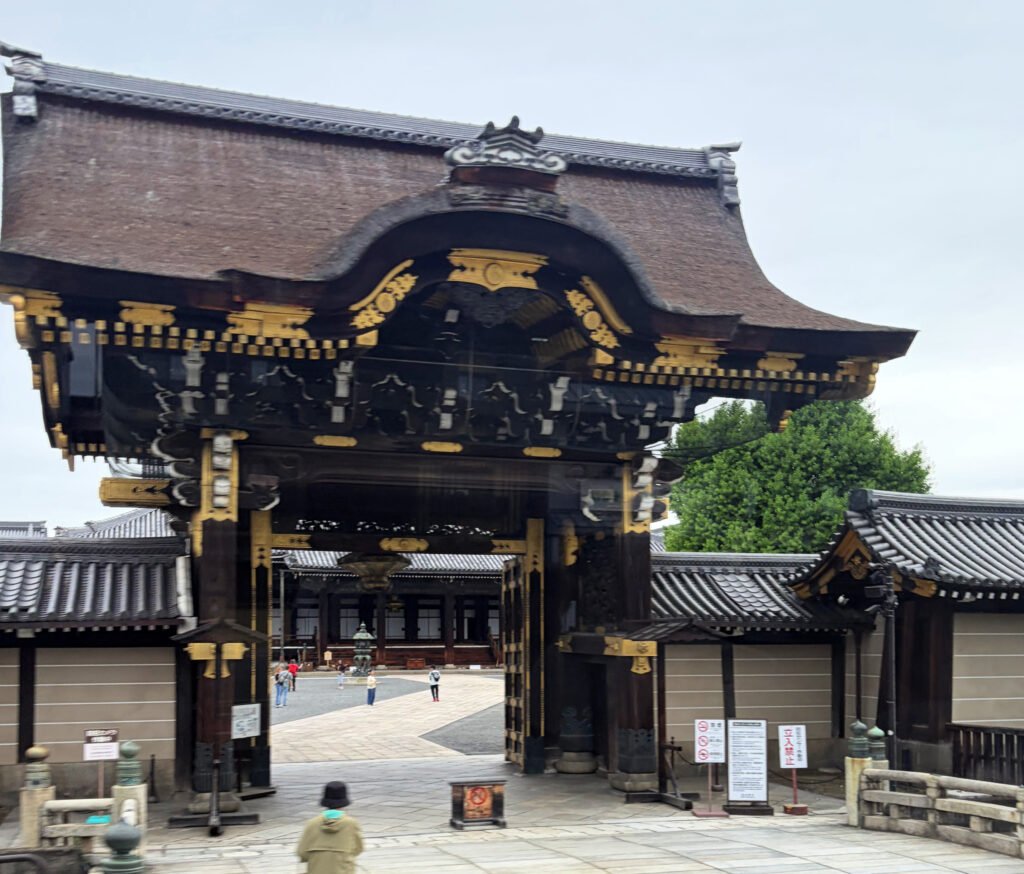
These are some other buildings in the area. The first is a Karamon Gate, one of three significant ones that has been relocated to Kyoto. This one is a gate to the Toyokuni Shrine, a Shinto shrine dating back to the 1500s. The gate symbolizes success with its decorations of gold and carvings such as cranes and peacocks.
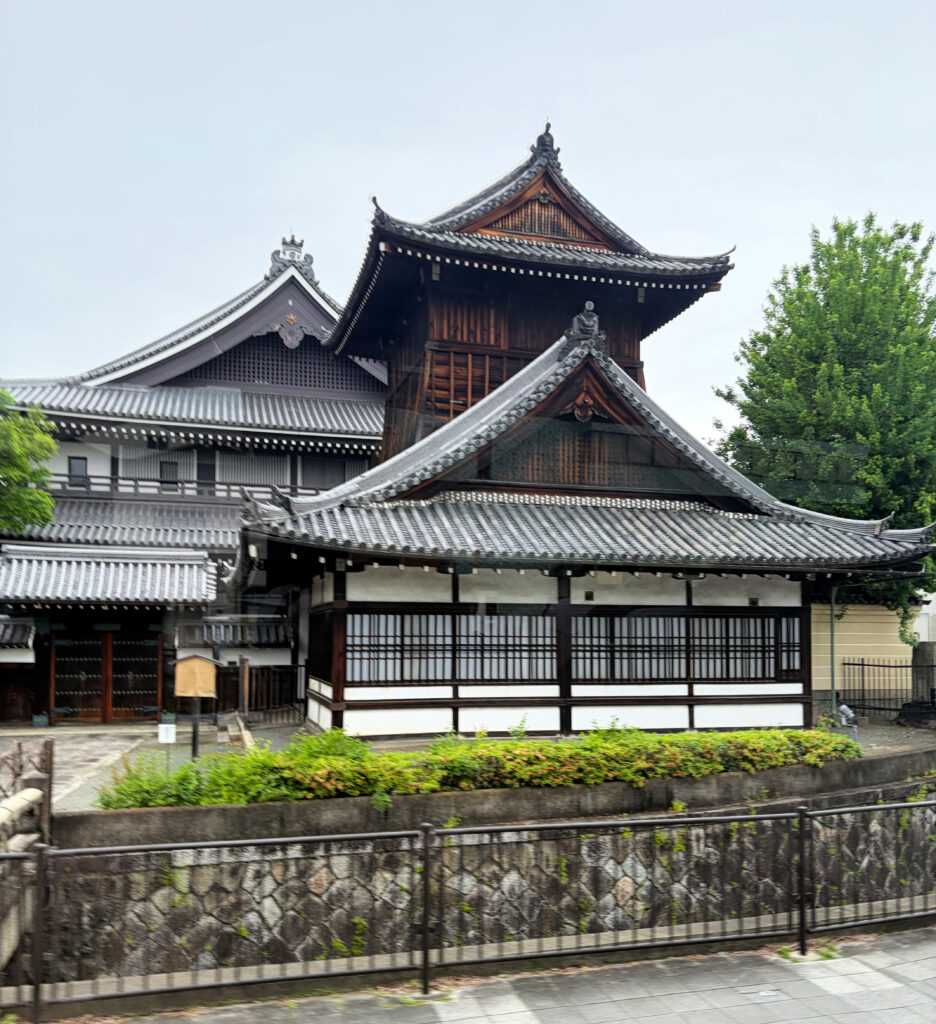
The second picture is a Taikoro Drum Tower. Every samurai castle had a drum tower. The drum was used for time keeping, and in times of war, as a signal to bear arms and even direct the troops. Drum towers also sounded alarms to warn of fires or floods, as signals to enter and exit the castle, and to welcome the feudal lord home.
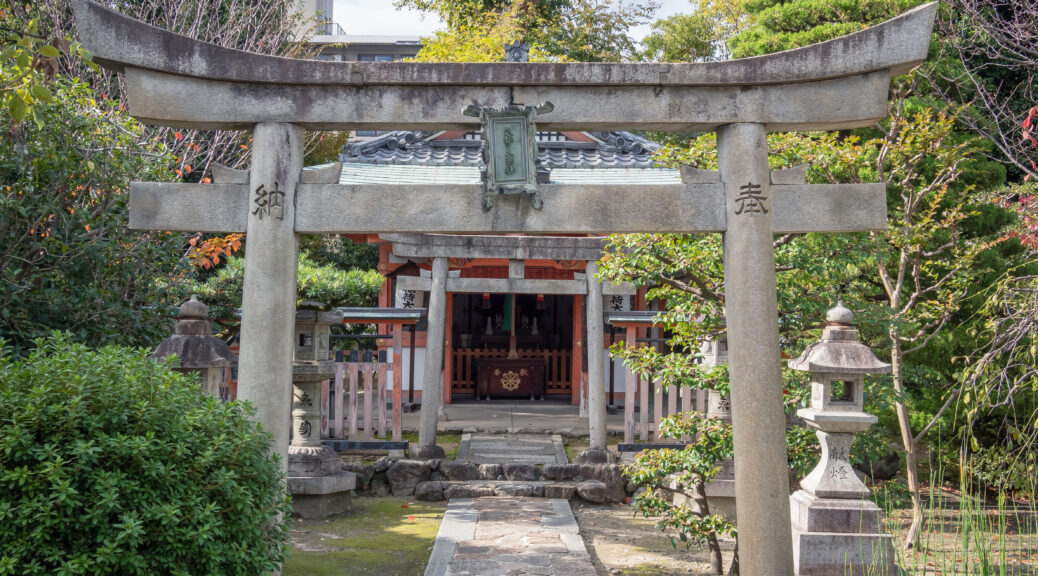
The third picture is the Heian Shrine, dating back to 1895. The Shrine was built on the 1100th anniversary of the capital’s founding in Kyoto and is dedicated to the spirits of the first and last emperors who reigned from the city. Heian is the former name of Kyoto. A torii gate marks the approach to the Shrine (back of the picture to the left). The Shrine’s main buildings are a partial replica of the original Imperial Palace from the Heian Period
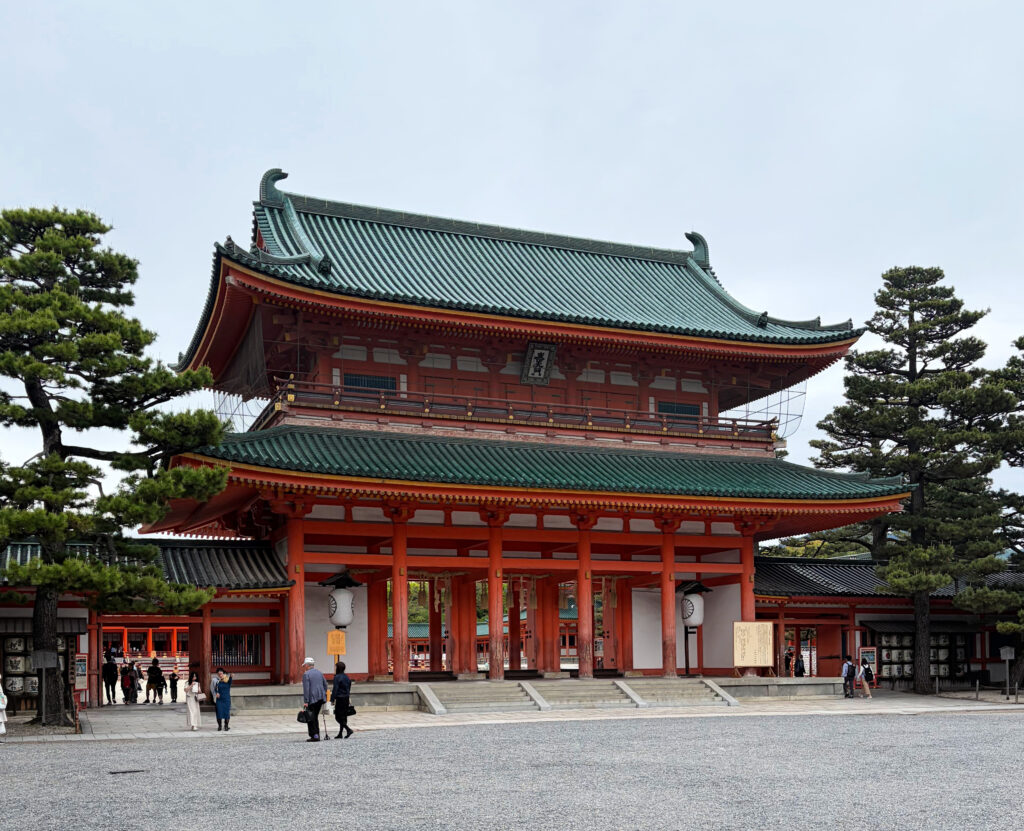
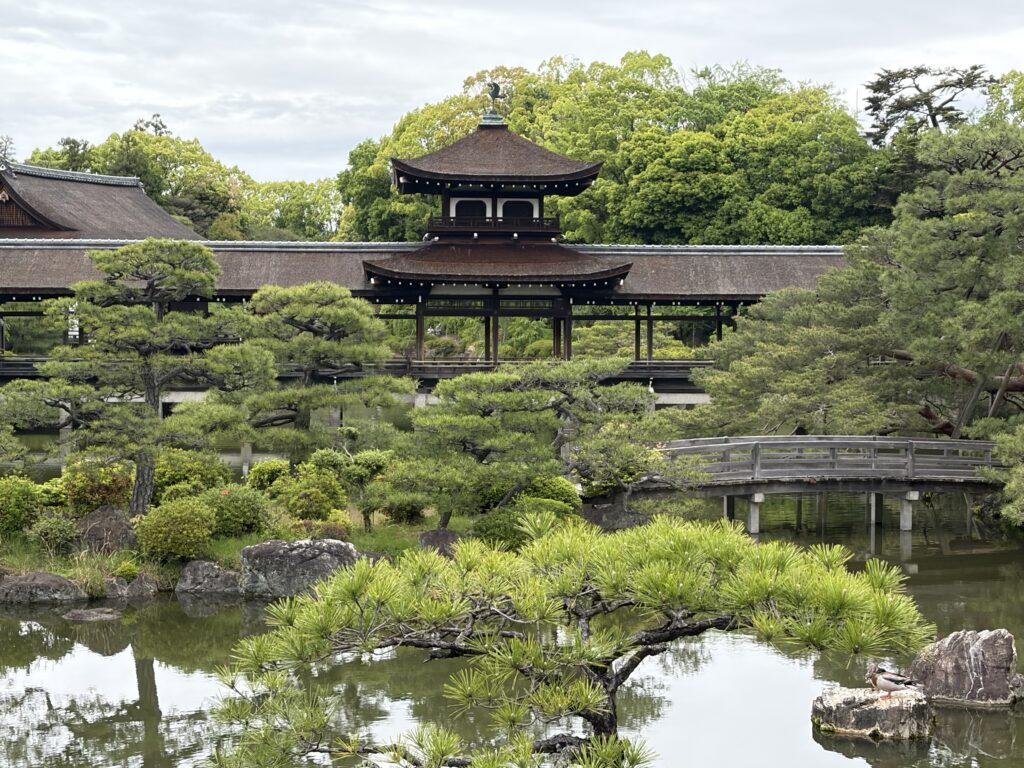
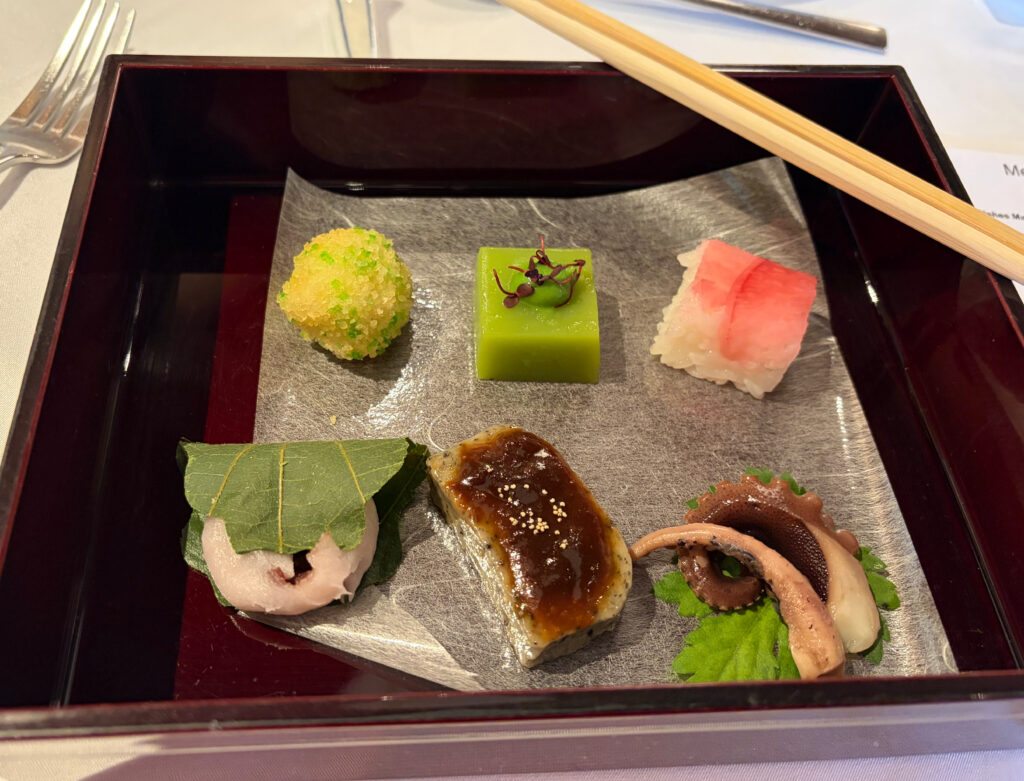
This is where lunch was provided. It was a beautiful lunch and beautiful grounds. There were paths so we could walk through the garden and enjoy the peaceful scene.
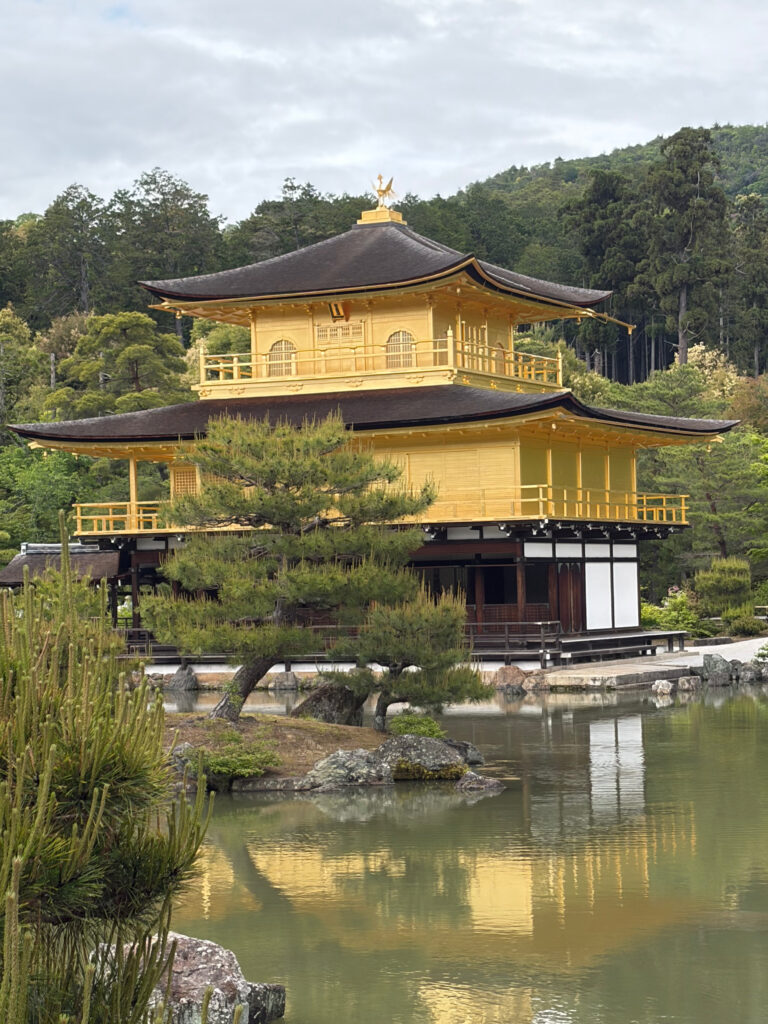
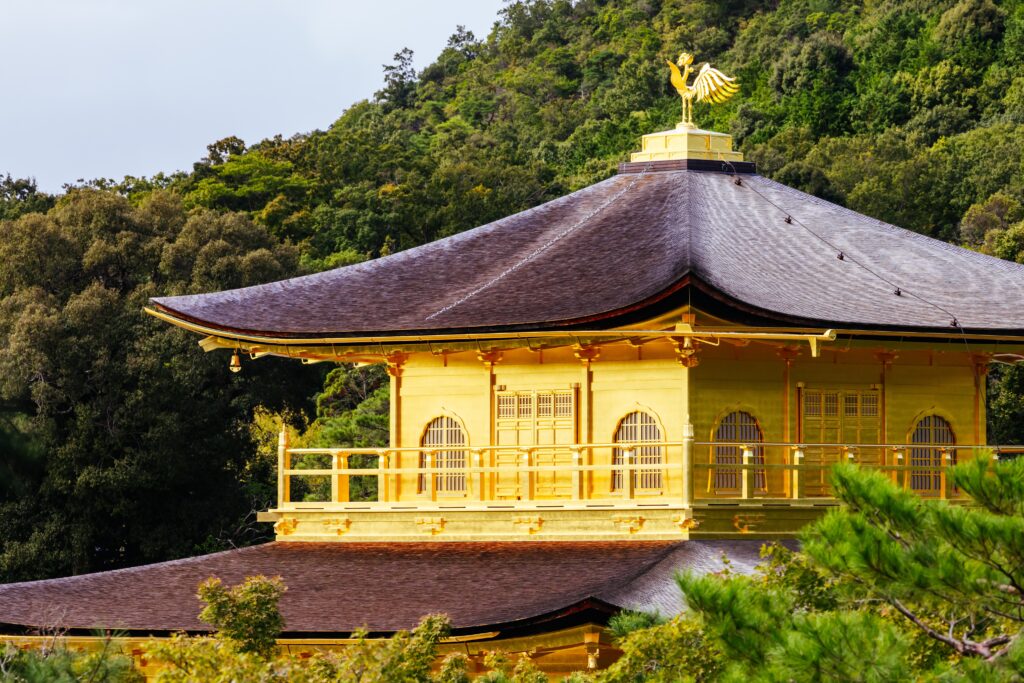
We then went to Kinkaku-ji, more commonly known as the Golden Pavilion. It is a Zen temple in Kyoto. The three floors are each built in a different architectural style. The top two floors are completely covered in gold leaf. A golden phoenix sits atop the roof. The Temple was the retirement villa of the shogun Ashikaga Yoshimitsu, and according to his will, it became a Zen temple after his death in 1408.
Kinkaku-ji is an impressive structure built overlooking a large pond. It has burned down numerous times throughout its history. The present structure was rebuilt in 1955. The Temple is a UNESCO World Heritage Site. (Both the last picture and the picture over the blog title were purchased from Shutterstock.)