Hiroshima
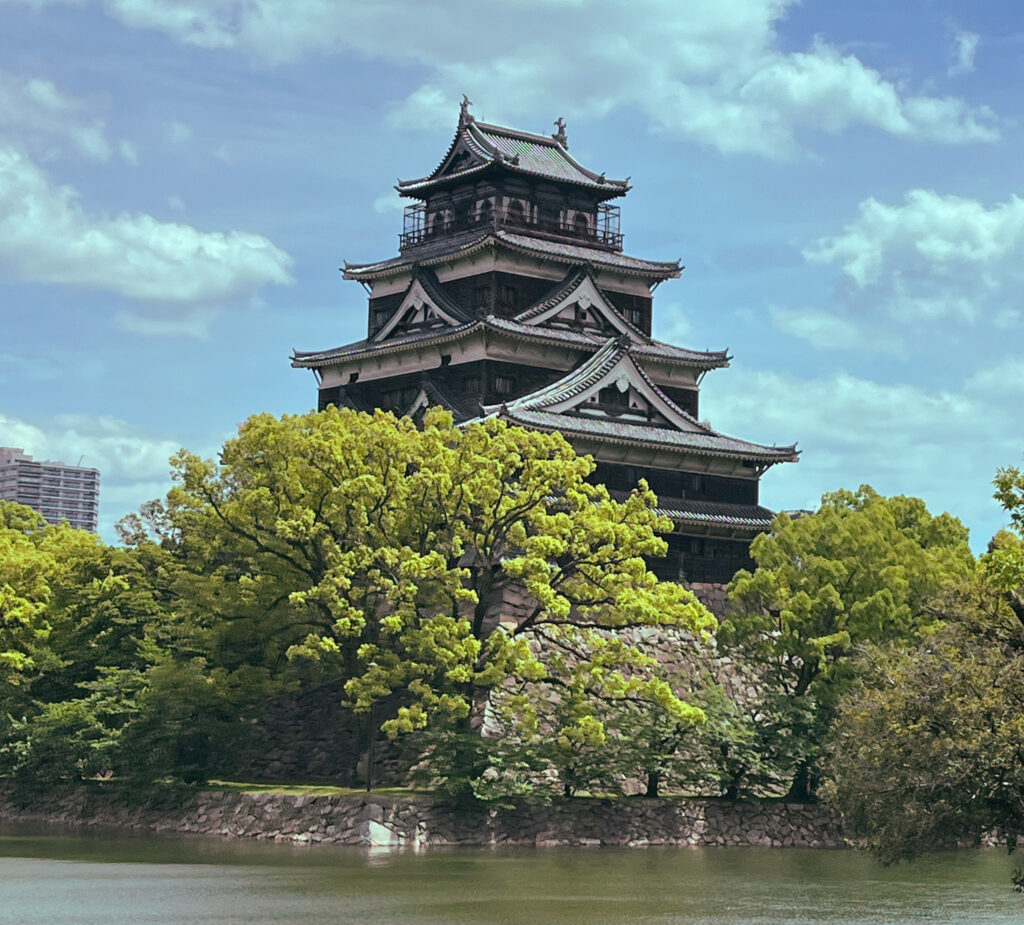
We were next going to Hiroshima. We took a ferry from Miyajima to the island of Honshu where Hiroshima is located. Along the way we saw the Hiroshima Castle (first picture below). It was built in the center of the city rather than on a hilltop. It became the economic and geographic center of Hiroshima. It was destroyed by the atomic bomb in 1945, but the main keep, the central tower of the castle, has since been rebuilt.
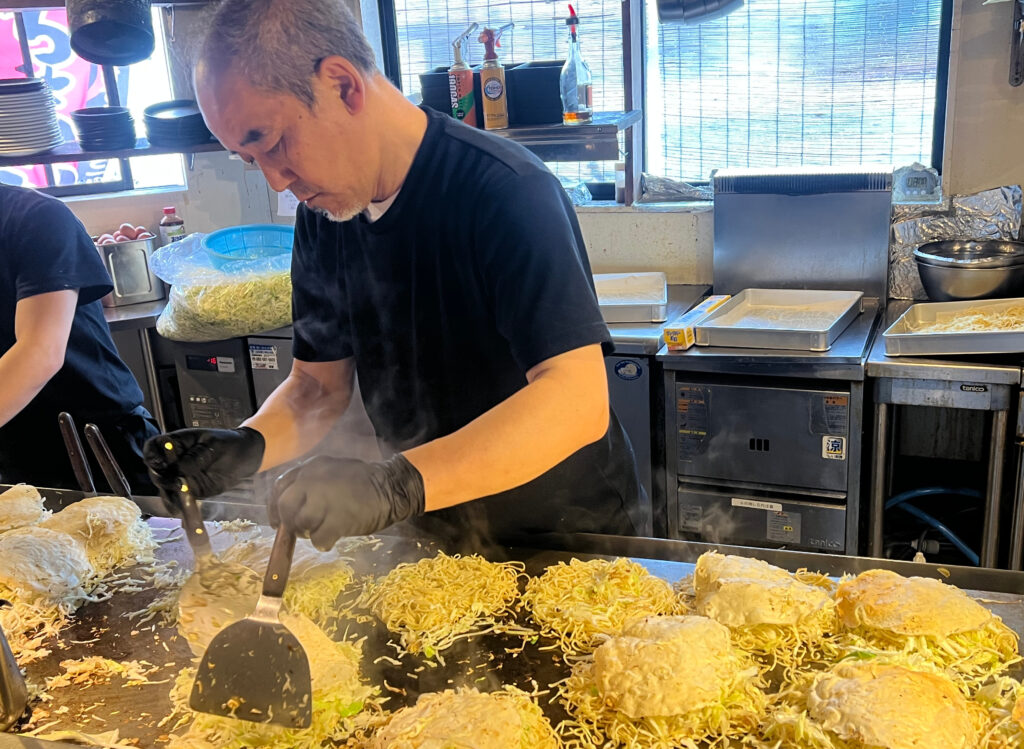
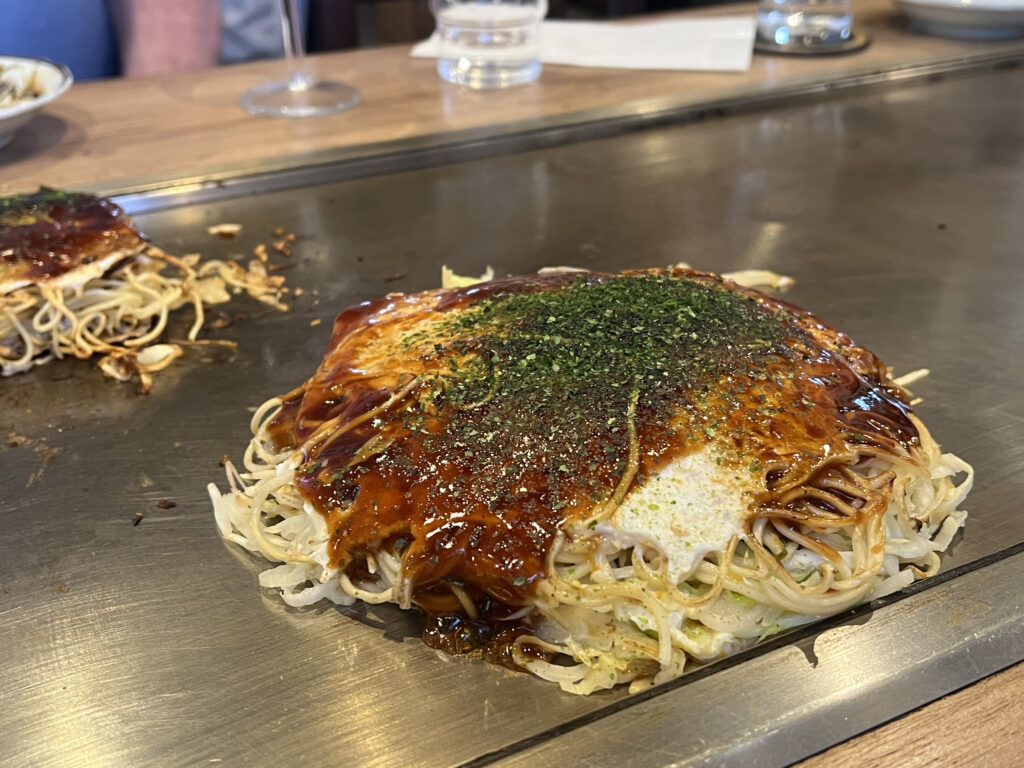
Our group stopped for lunch and had a traditional okonomiyaki pancake. It consists of wheat flour batter and includes other ingredients like cabbage, meat, and seafood. It is topped with okonomiyaki sauce and other condiments.
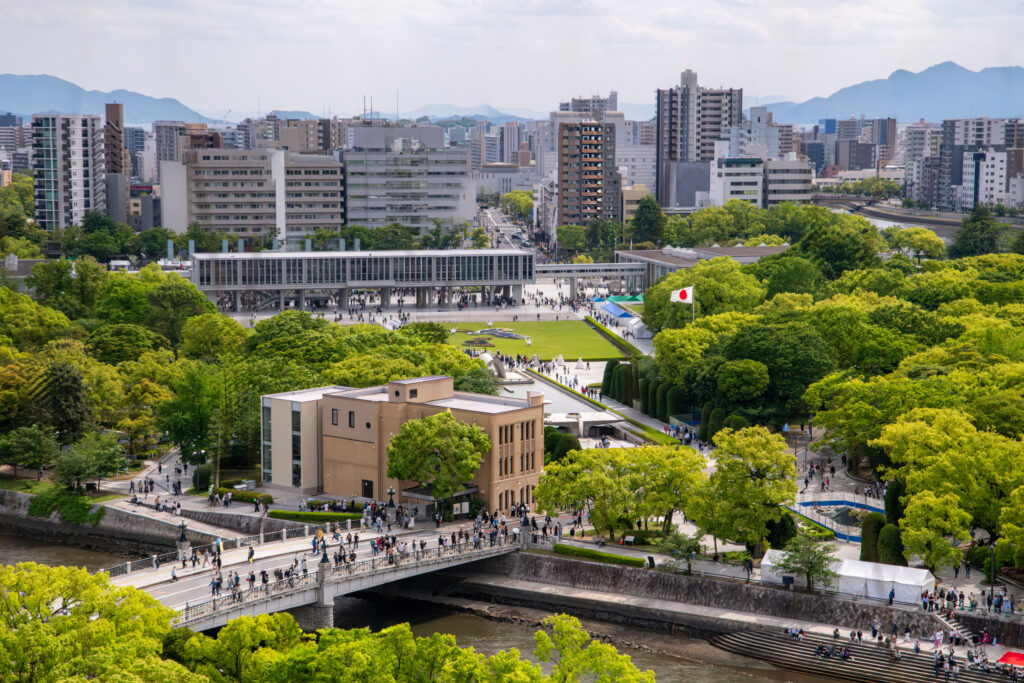
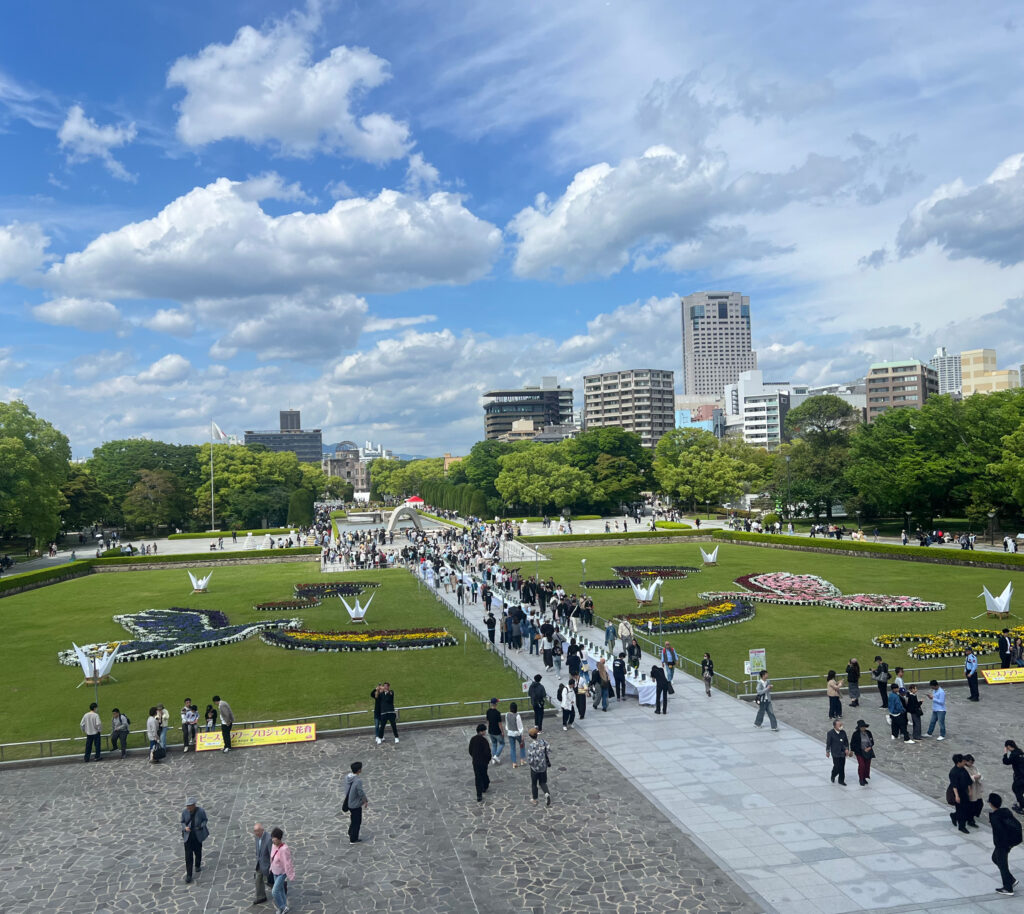
Our Hiroshima tour began with our group walking through the Peace Memorial Park. The first picture below is an aerial view of the park
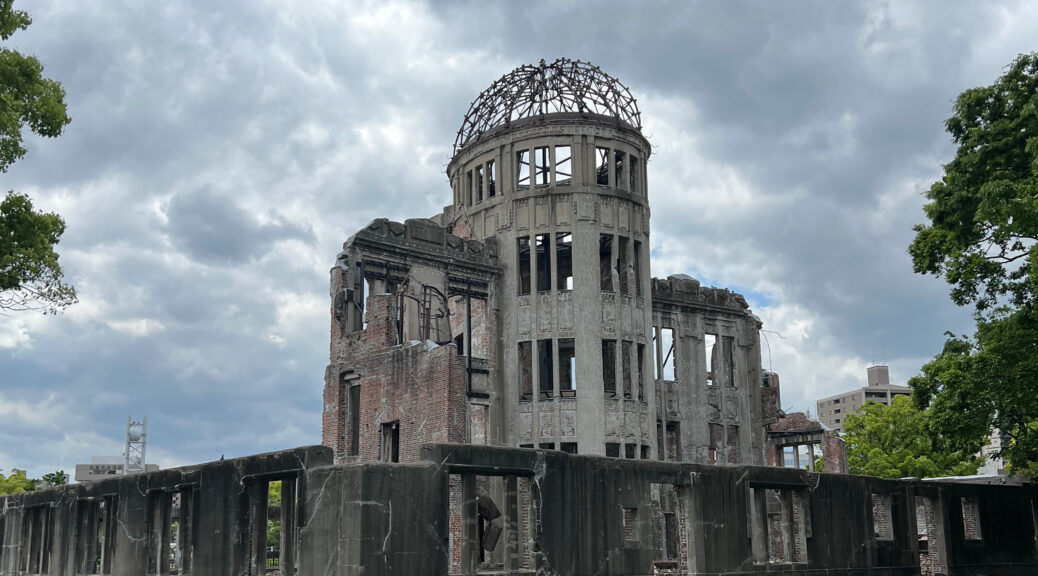
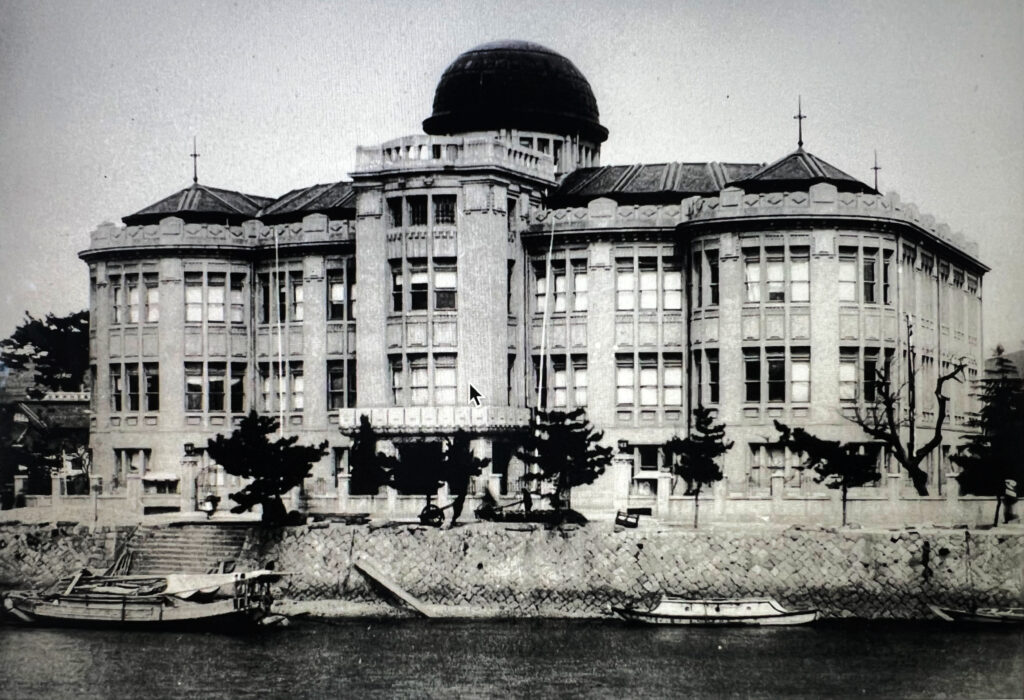
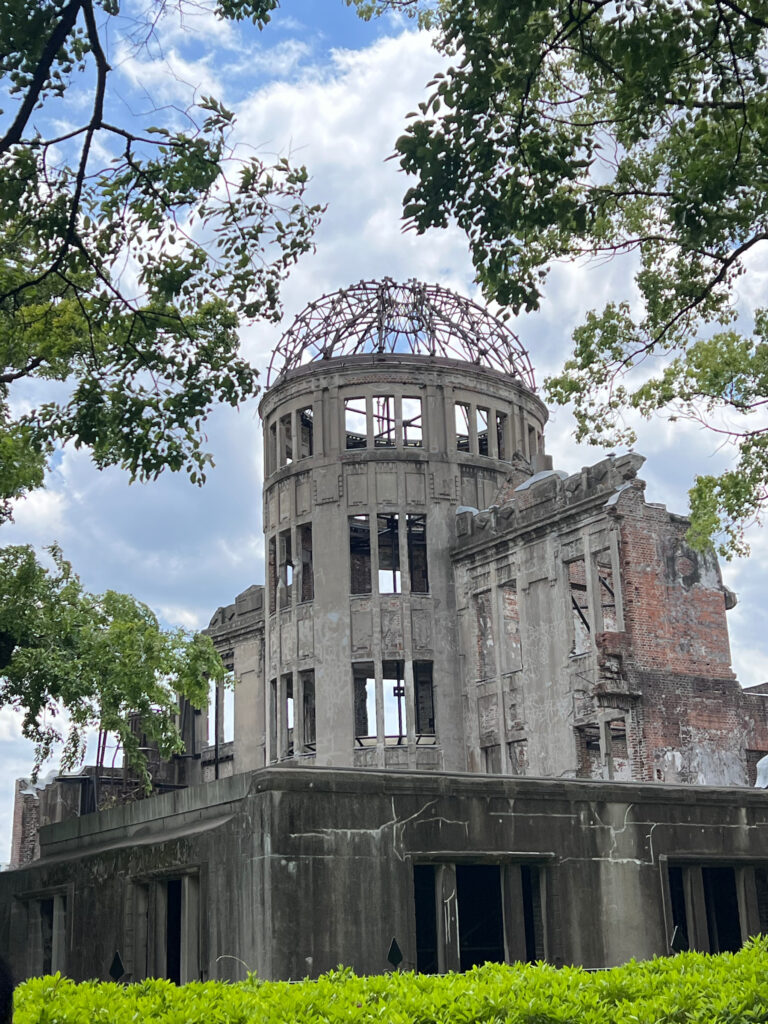
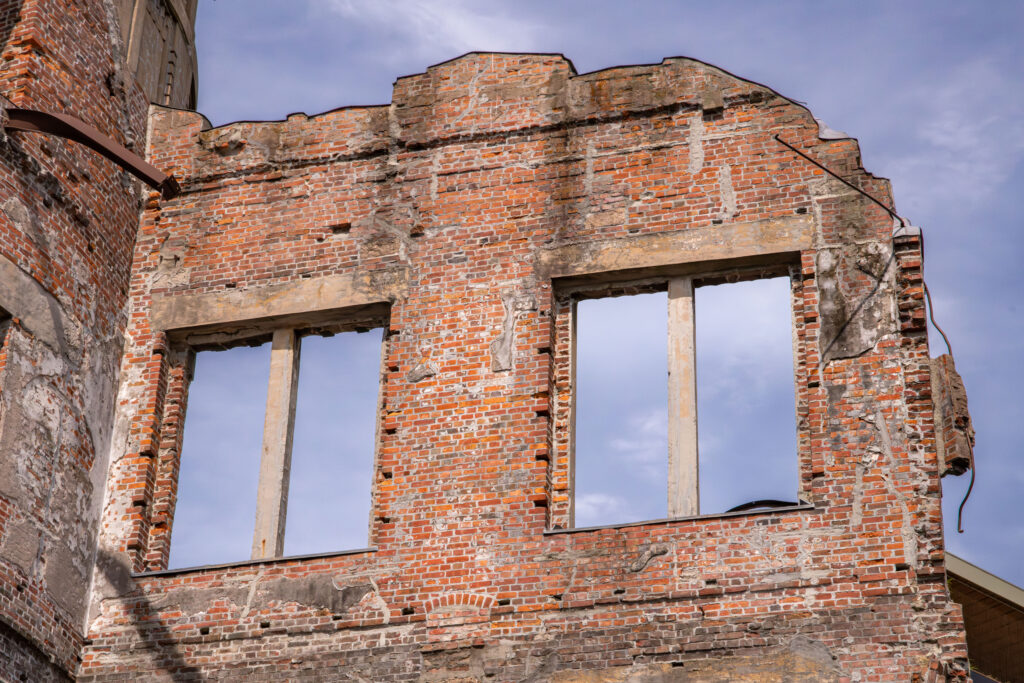
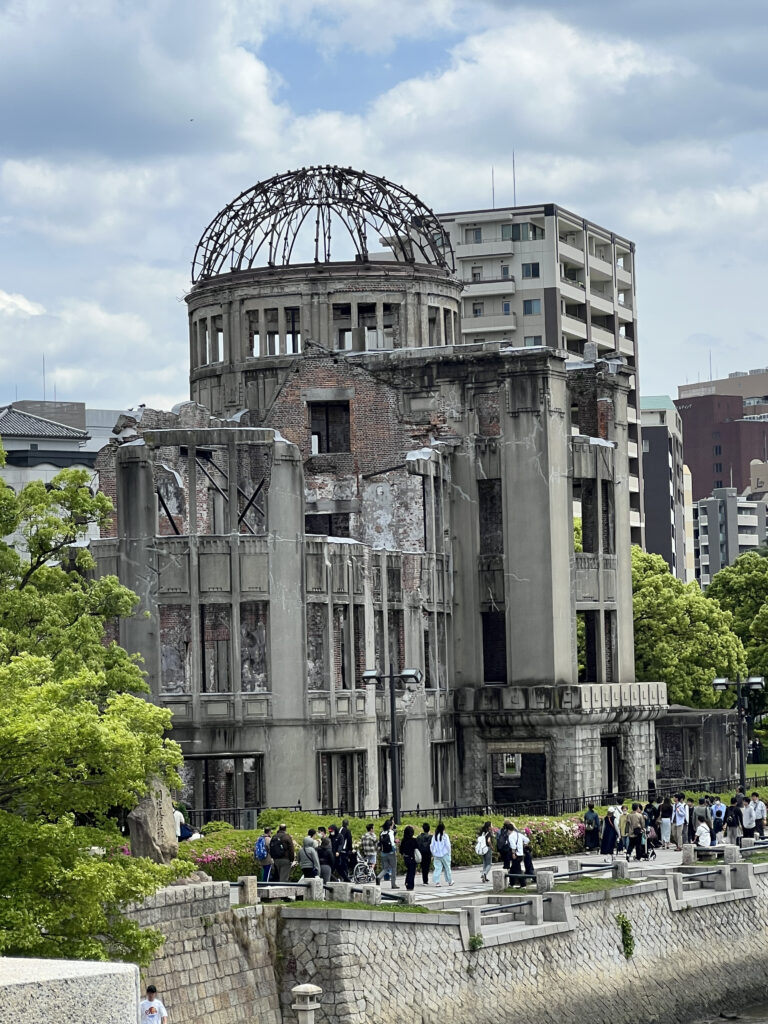
One of the more moving experiences of this excursion was seeing the Atomic Bomb Dome. It is pictured here before and after the atomic bomb was dropped.
The Atomic Bomb Dome, formerly the Hiroshima Prefectural Industrial Promotion Hall, was used primarily for research and design consultation. During World War II, the Japanese government used the builinng.
At 8:15 AM on August 6, 1945, the building was destroyed by the world’s first atomic bomb, and it burned to the ground, instantly killing everyone in the building. Because the explosion was almost directly overhead, the building kept its shape. Its vertical columns resisted the blast’s nearly vertical downward force, and parts of the concrete and brick outer walls remained intact.
In 1966, the Hiroshima City Council adopted a resolution to permanently preserve the Dome, officially naming it the Hiroshima Peace Memorial. It has been named a UNESCO World Heritage Site. It serves as a reminder of the devastation caused by the first atomic bomb and it represents the importance of the abolition of nuclear weapons and lasting world peace.
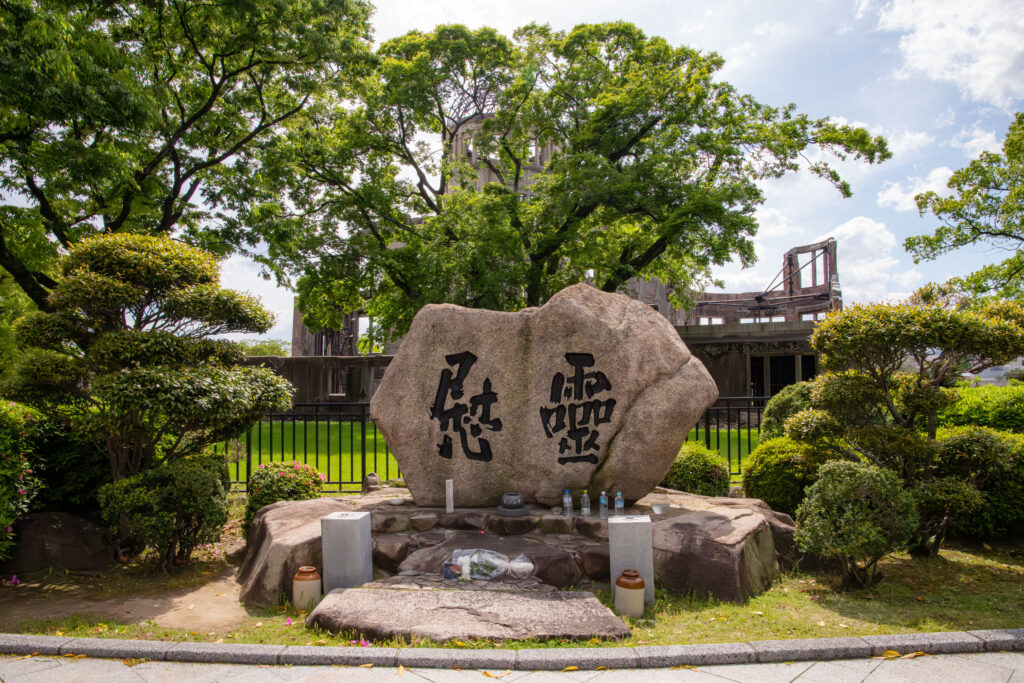
The last picture in this section is a monument in memory of employees of a lumber company who were killed by the atomic bomb blast. Their offices were inside what is now commonly known as the Atomic Bomb Dome. Water bottles are often left at the monument because victims pleaded for water. Those providing aid were advised not to give them water because it could worsen their condition.
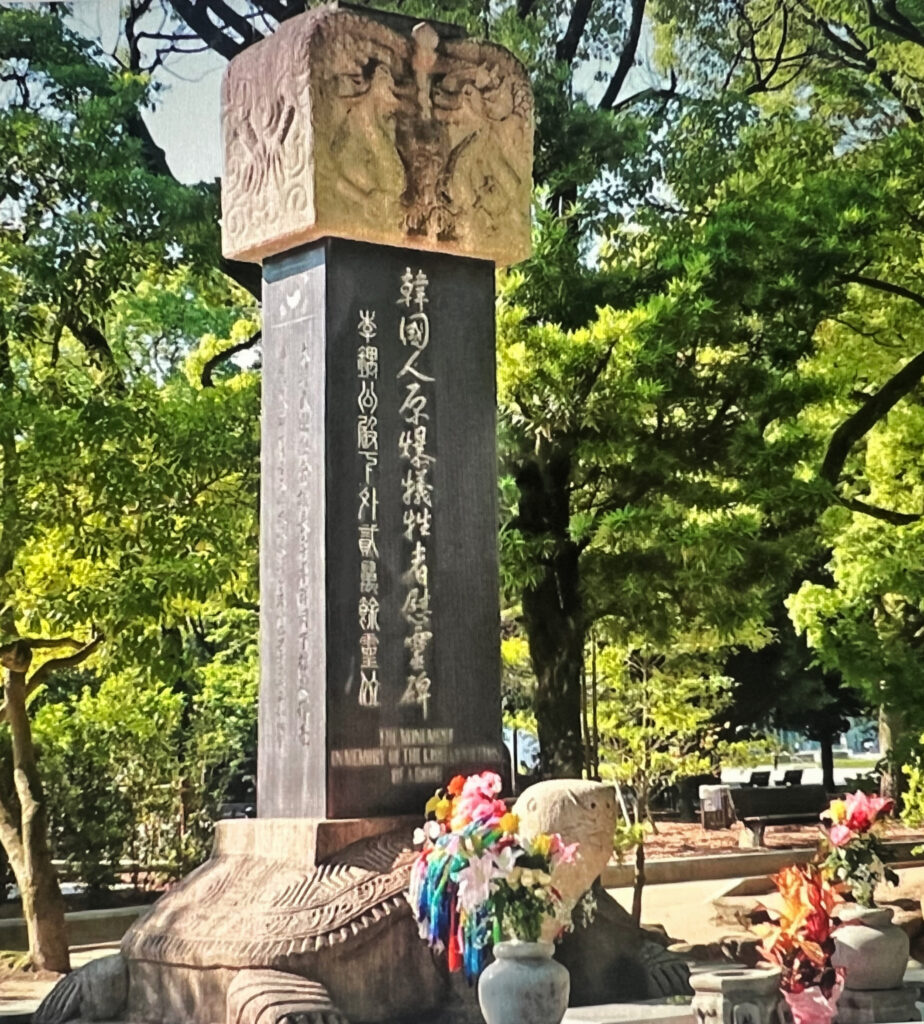
The picture below is the Korean Victims and Survivors Memorial Monument. It is in the Peace Memorial Park, but we did not see it. I still wanted to include it here.
Japan annexed Korea in 1910 which subsequently forced many Korean people to come to Japan in search of work. During World War II, large numbers were also put into forced labor or conscripted to help with the war efforts. It is estimated that tens of thousands of Koreans were in Hiroshima at the time of the atomic bomb. This memorial was built in memory of the 20,000 Korean people who lost their lives in the bombing. The memorial rests on a turtle, representing the folk belief that the souls of the dead rise to heaven on the backs of turtles.
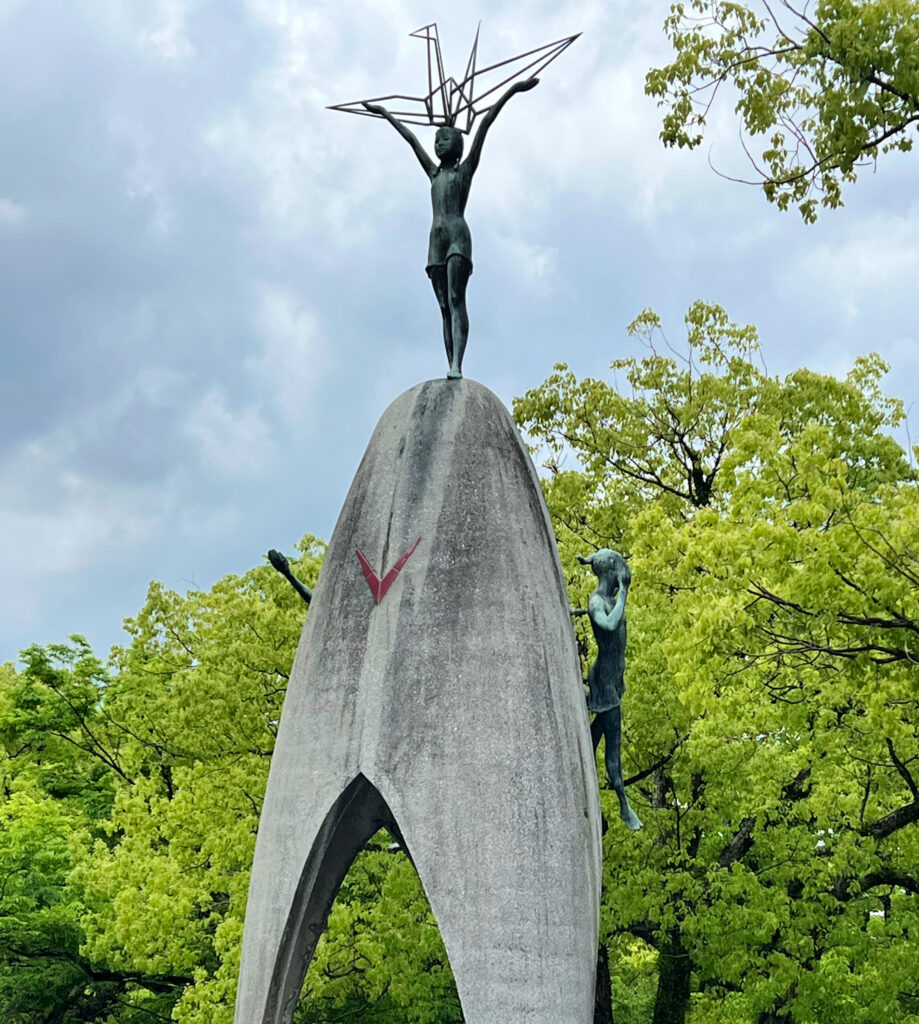
The first picture below is of the Children’s Peace Monument, located in Hiroshima’s Peace Memorial Park. The monument honors Sadako Sasaki, a young victim of the atomic bomb, and through her, all the children affected by the tragedy. Sadako developed leukemia as a result of radiation from the atomic bomb. She died ten years after the bomb was dropped.
The project began on May 5, 1958, Children’s Day in Japan. Sadako’s classmates began raising funds to establish a monument in honor of Sadako and all the child victims of the atomic bomb.
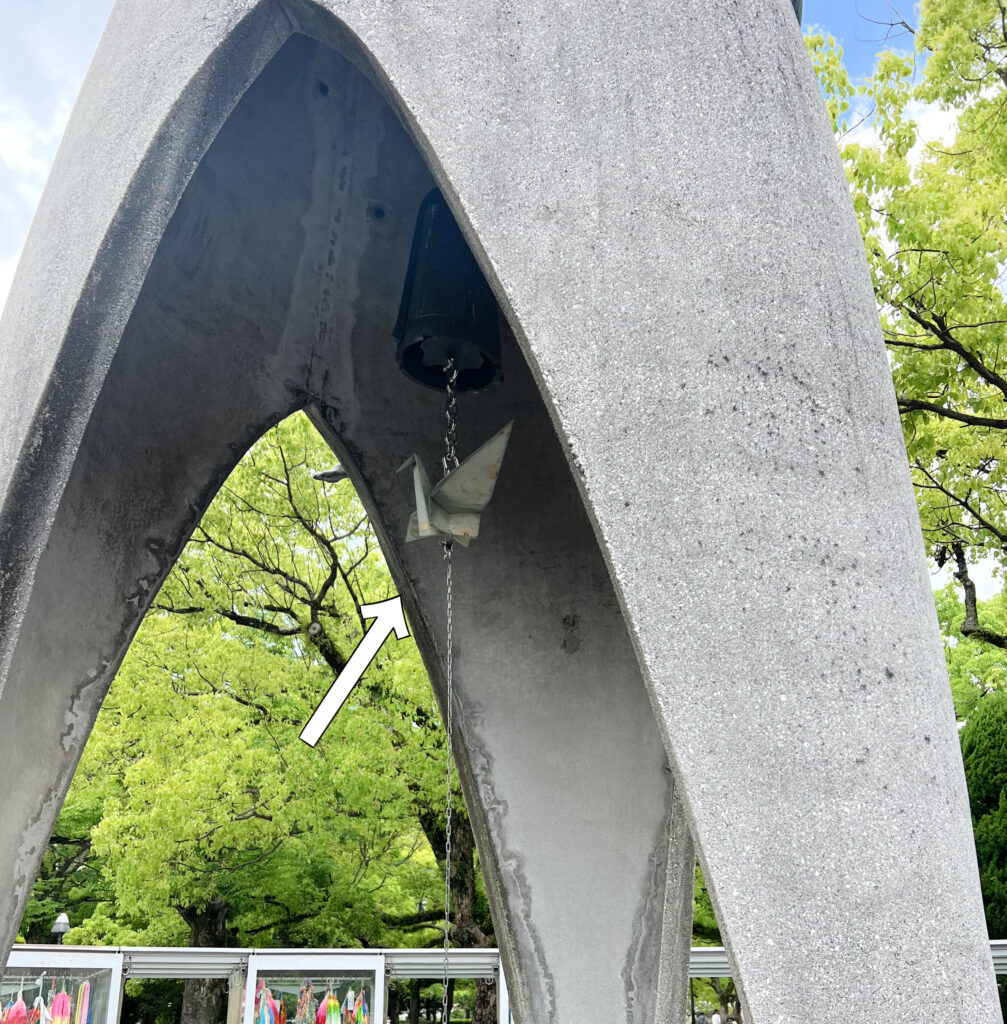
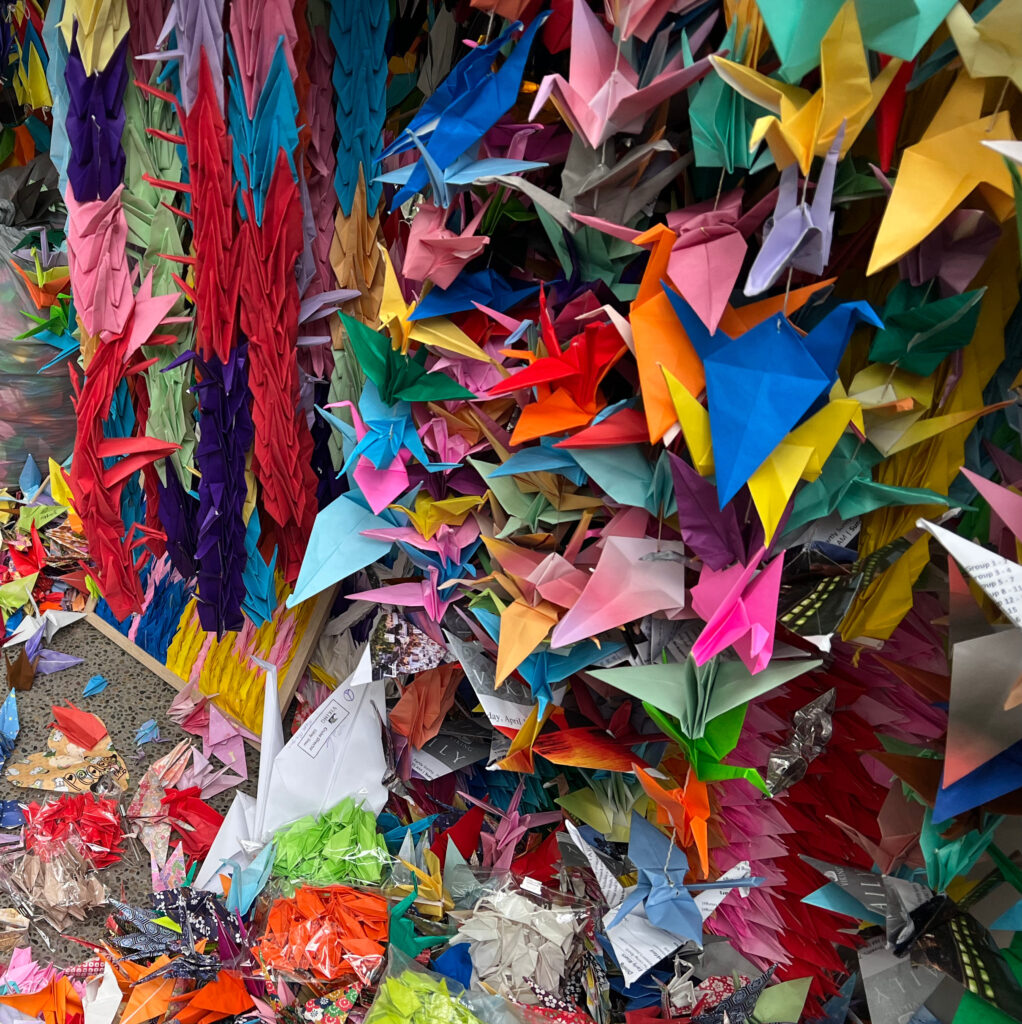
The monument symbolizes hope of a peaceful future and a world without nuclear weapons. While ill, Sadako made hundreds of paper cranes, believing that this might spare her life. Cranes have become an international symbol of peace and every year millions are placed around the monument. There is a crane suspended inside the monument (second picture) and a picture of just some of the paper cranes that have been brought to the monument in Sadako’s honor (last picture).
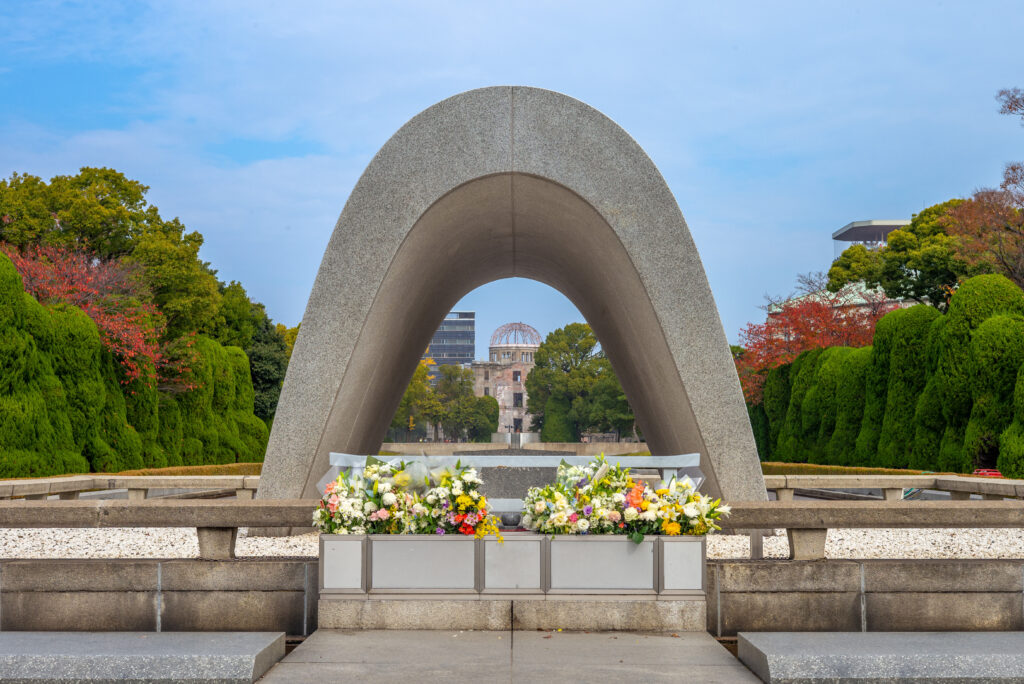
The picture below (purchased from Shutterstock) depicts the memorial, “Cenotaph for the A-bomb Victims.” A cenotaph is an “empty tomb” or a monument erected to honor people whose remains are buried elsewhere, lost at sea, or are unrecoverable. It was established on August 6, 1952.
The monument resembles an ancient arch-shaped house, in part because of the desire to shelter the souls of the victims from the elements. The monument is inscribed with the words, “Let all the souls here rest in peace; For we shall not repeat the evil.”
The stone chest in the center holds the registry of the names of persons who died from the bombing, regardless of their nationality. Names are added when someone related to a death make application. Currently, there are 349,246 identified victims (including 16 victims from the Nagasaki bombing) recorded in handwritten volumes kept inside the stone chest of the cenotaph. There is one additional volume that is kept blank to represent the thousands of people who died but remain unidentified.
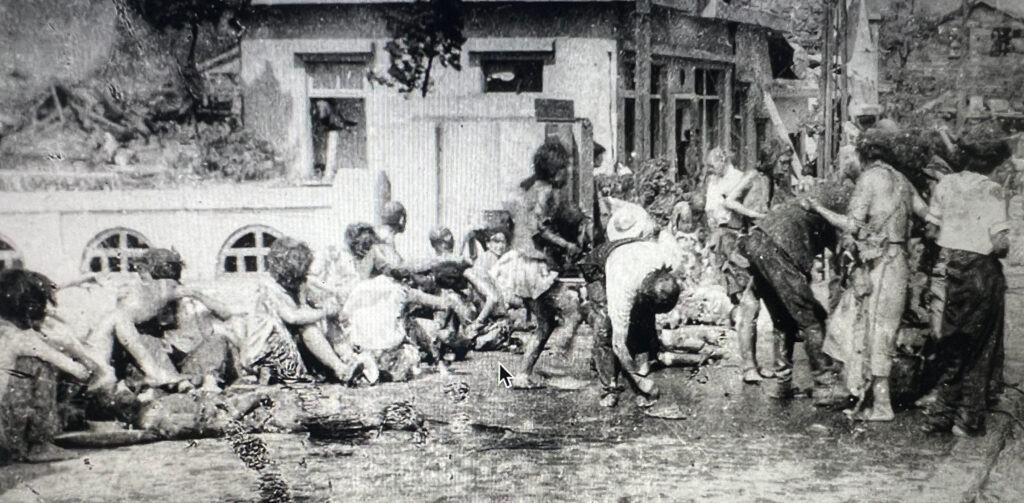
We also went to the Hiroshima Peace Memorial Museum, but it was so crowded we couldn’t see the exhibits and we left. I found the next photographs on-line (atomicarchive.com) which are probably similar to what we might have seen at the Museum.
The first picture below was taken at approximately 11 a.m. on Aug. 6, 1945. It is among the first known photographs documenting survivors of the atomic attack on Hiroshima. The photographer, Yoshito Matsushige, was a staff photographer at the regional newspaper. Despite being exposed to radiation and hurt himself, he left his home to document the many people killed and severely injured.
The second picture shows a badly burned street car in the central part of Hiroshima. The picture was taken six days after the bombing and was about 328 yards from the epicenter. The last picture in this section depicts Shima Hospital taken three months after the atomic bomb devastated Hiroshima. The Hospital, which had one meter thick walls, was destroyed by the bomb’s force. Only the circular window at the entrance and the round pillars remained. On the right is the torii gate to Gokoku Shrine.
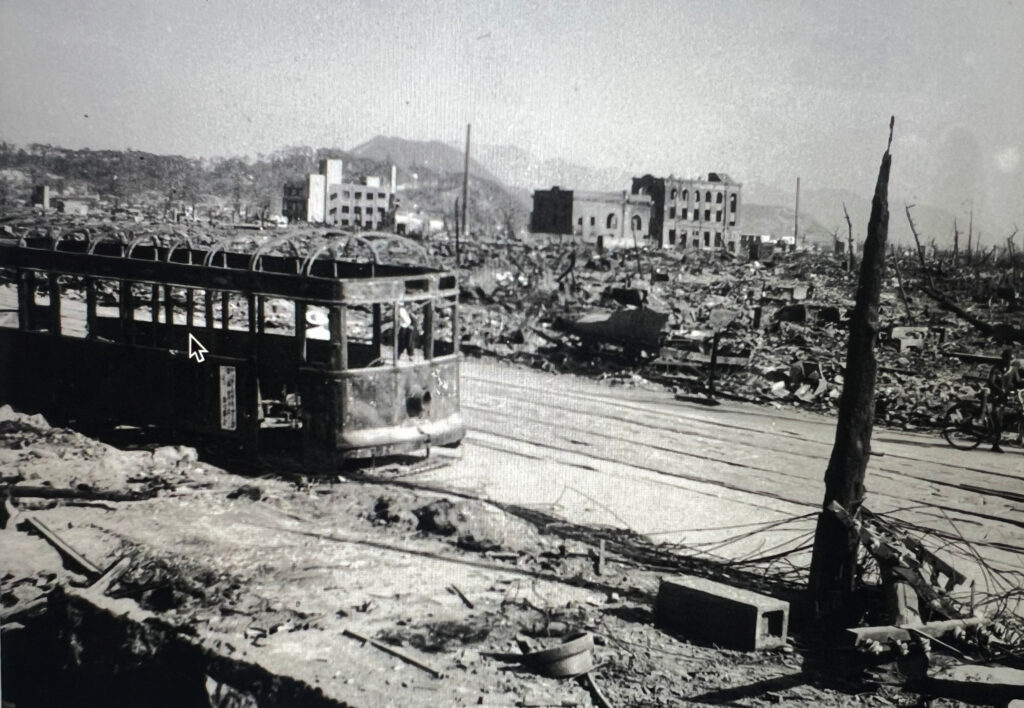

The atomic bomb was devastating for Hiroshima. Besides the loss of life and on-going health issues for those that survived the initial blast, about 70% of the city’s buildings were destroyed, and another 7% severely damaged.
Today, as you can see by the picture below, Hiroshima is a vibrant, modern city with a population of 1.1 million people. It has been completely rebuilt as a “City of Peace,” serving as a global center for anti-nuclear advocacy. The city engages in peace efforts through initiatives such as preserving historical ruins, hosting international disarmament conferences, and training young narrators to share survivor stories. It is estimated that over one million people visit the Hiroshima Peace Memorial Museum and the Peace Memorial Park annually.
The people of Hiroshima probably didn’t envision their destiny as advocating for peace and the elimination of nuclear weapons, but it is certainly a responsibility the city seems to have embraced.