“Hells” of Bepppu
Later that morning we arrived in Beppu. It has a concentration of hot springs. Rainwater seeps deep underground through faults, is heated by magma, and rises to the surface under high pressure. The hot springs are used for farming, aquaculture (underwater agriculture), heating and even cooking. They are also a huge tourist attraction known as the Seven Hells of Beppu.
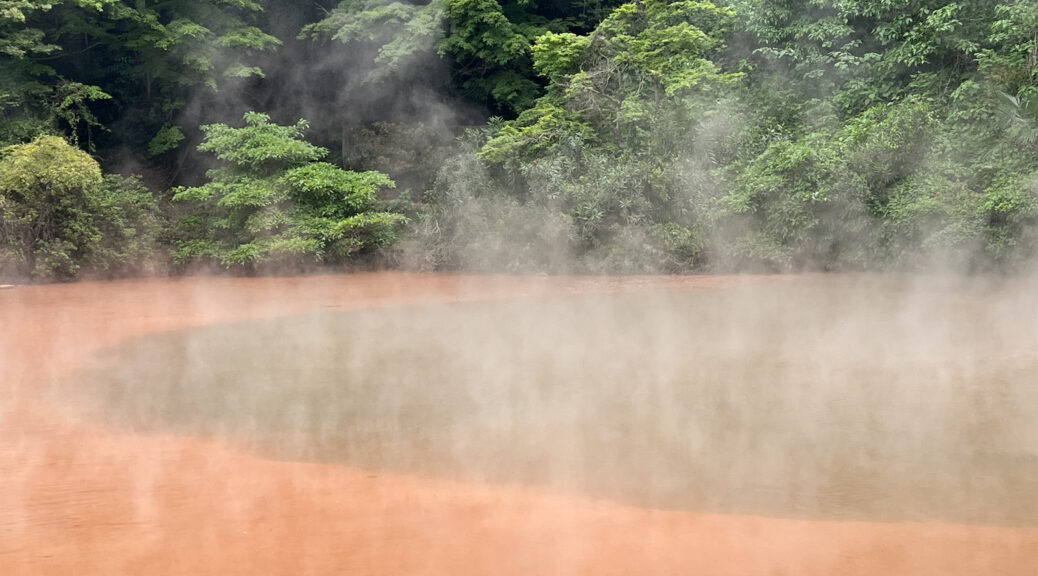
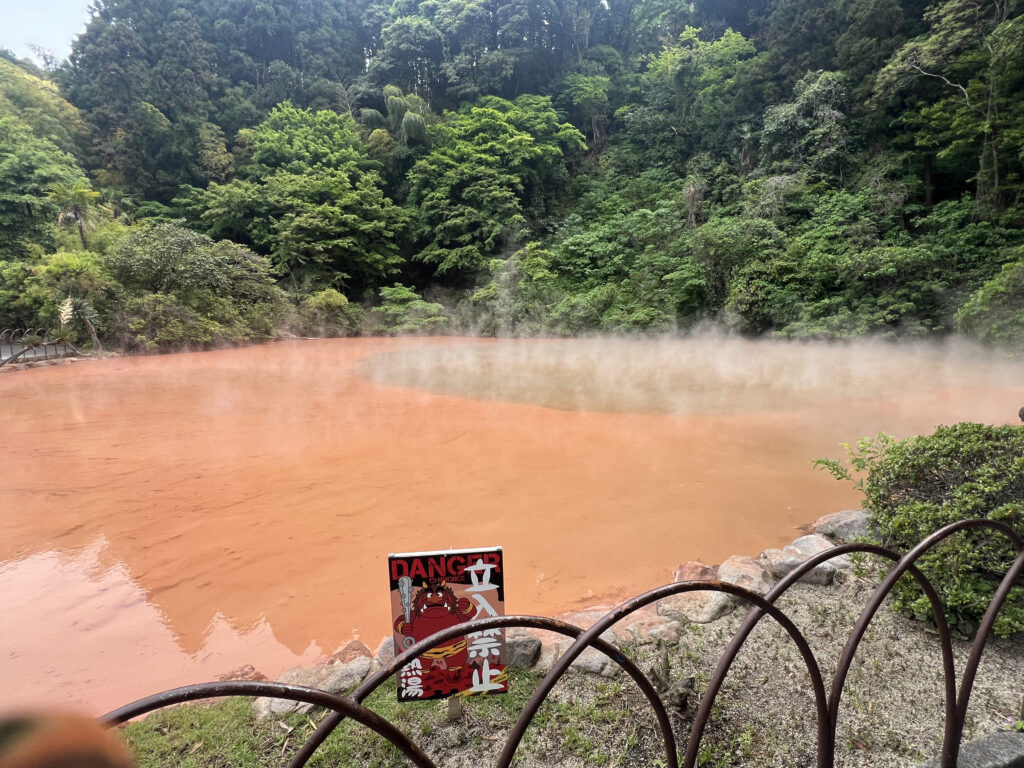
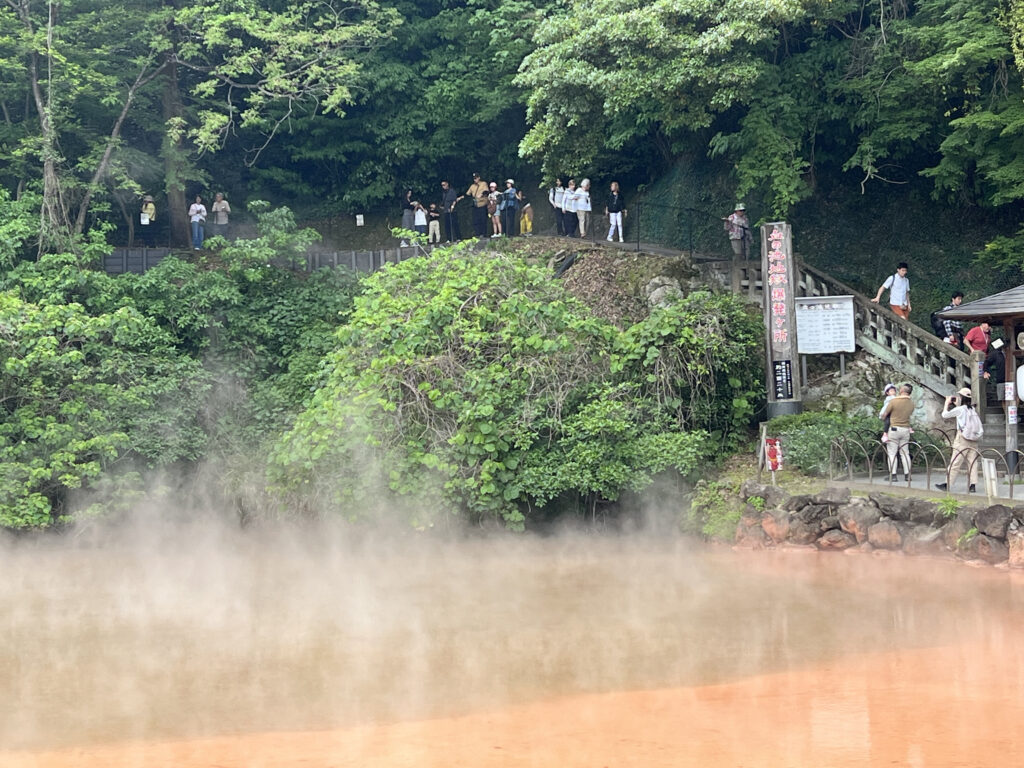
I chose the “Hells of Beppu” as my excursion. Hot water pools of various colors are often present in geothermal fields. We first visited Chinoike-Jigoku, literally “Bloody Hell.” The impressive red color comes from the iron-rich red clay deposited at the bottom of the pool. The water is around 150 degrees so would cause burns if touched.
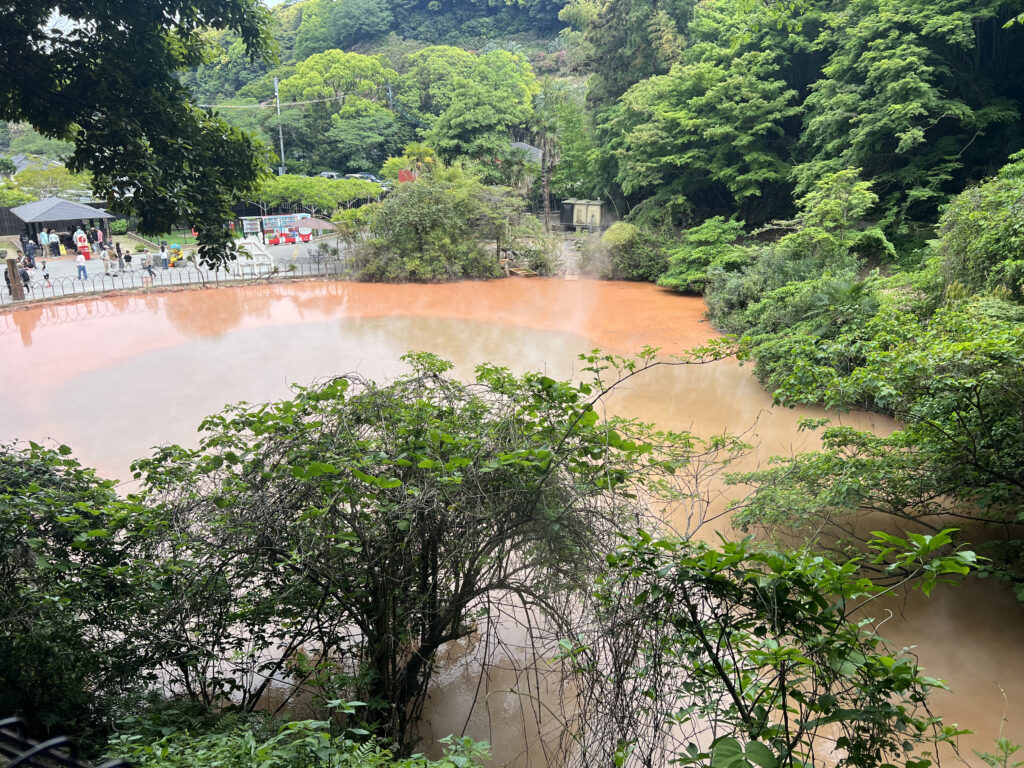
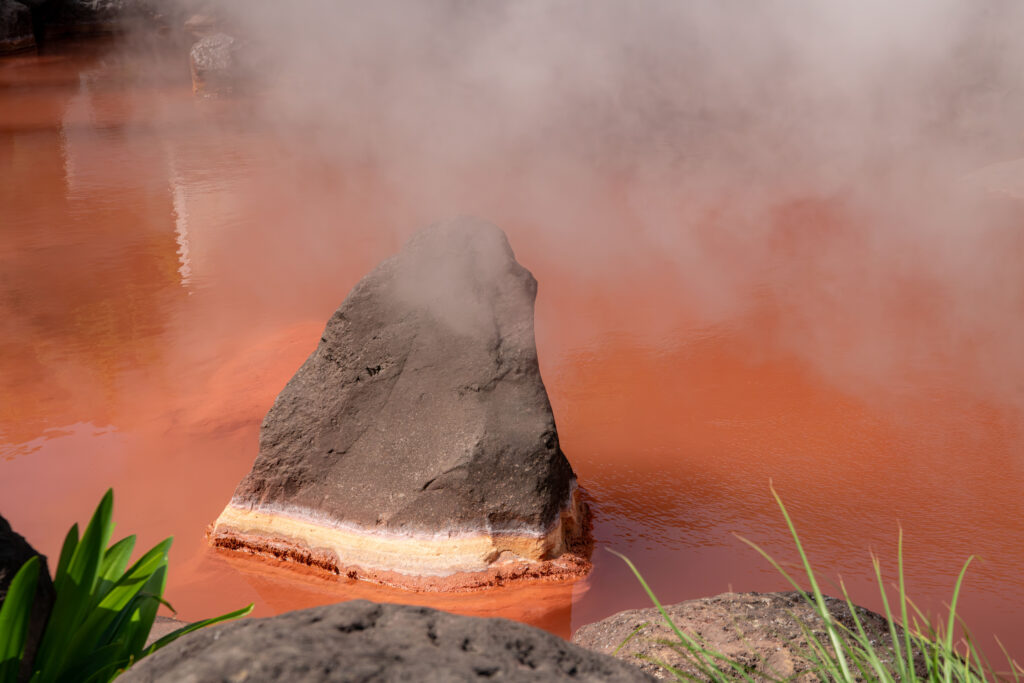
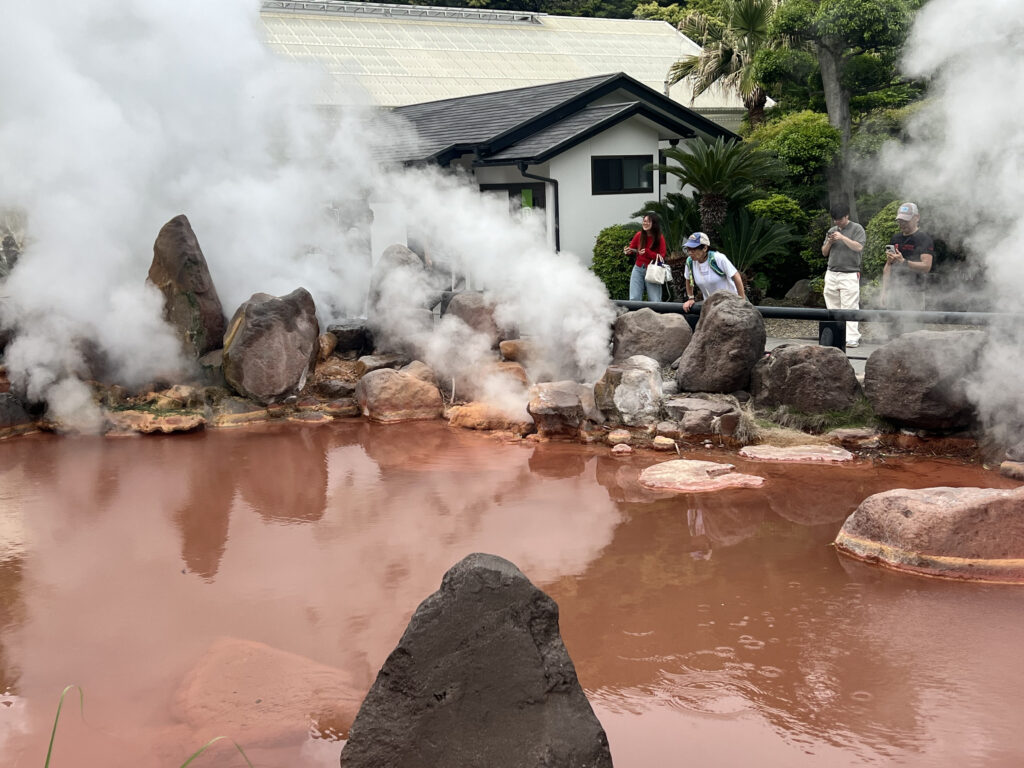
We next visited Umi (Sea) Jigoku, the largest of the”hells.” It has both red and blue hot springs. The red hot springs are pictured below.
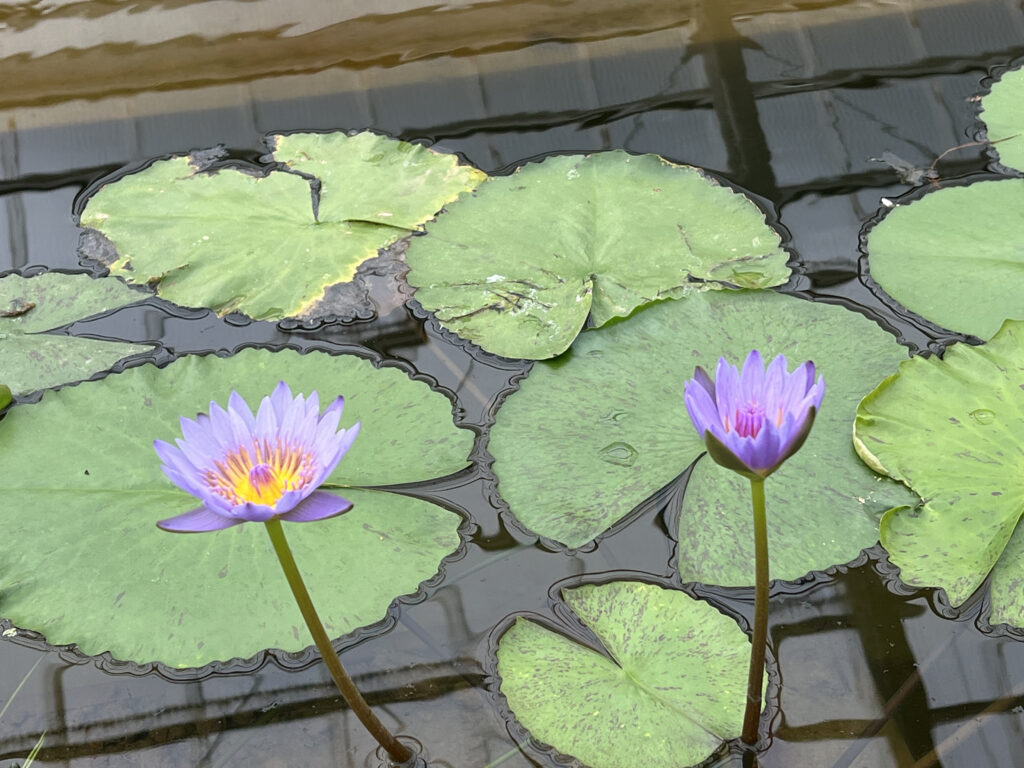
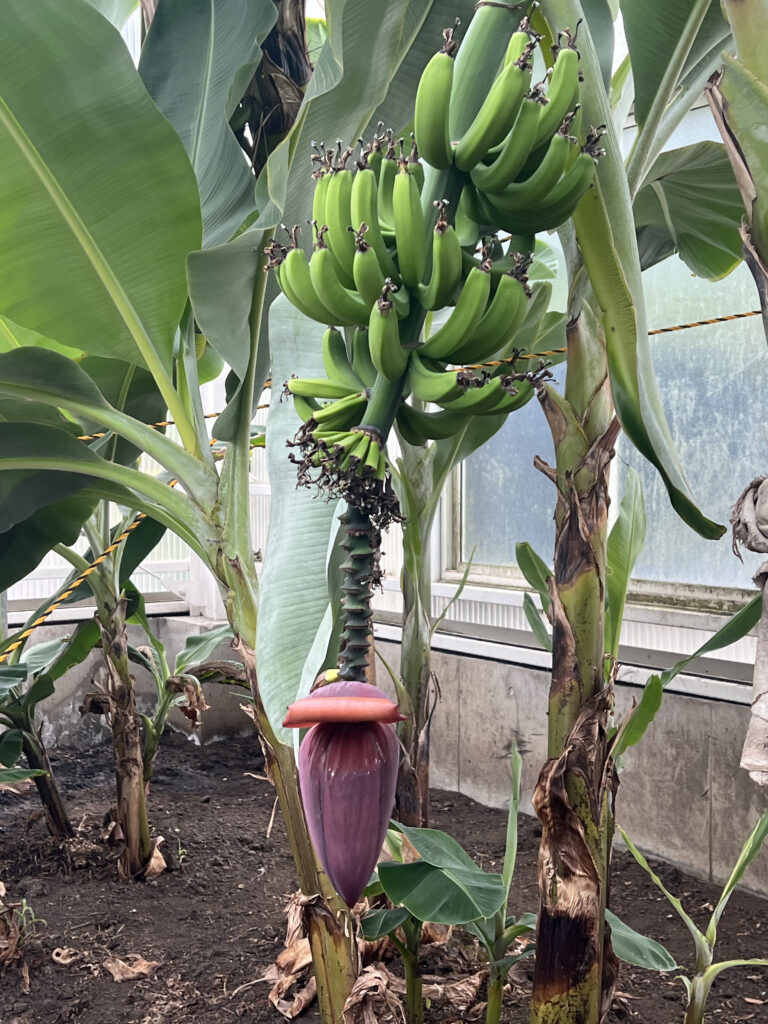
Umi Jigoku also includes a greenhouse that gets it heat from the hot springs. Tropical plants can be grown year around because of the heat from the springs (last two pictures in this section).
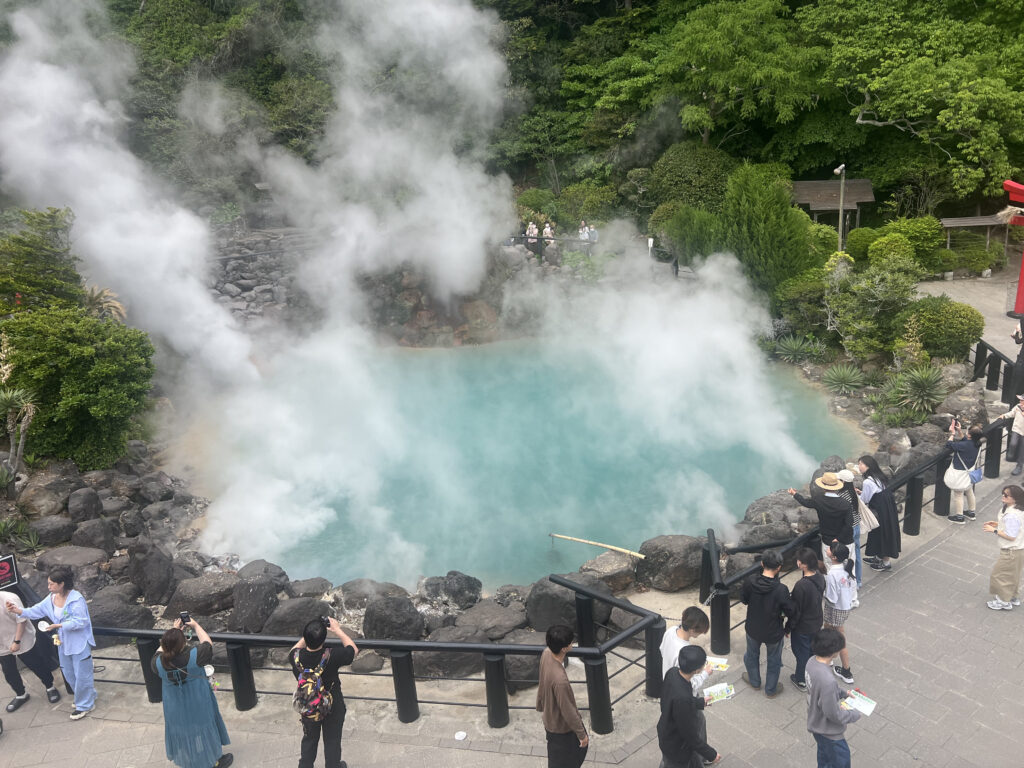
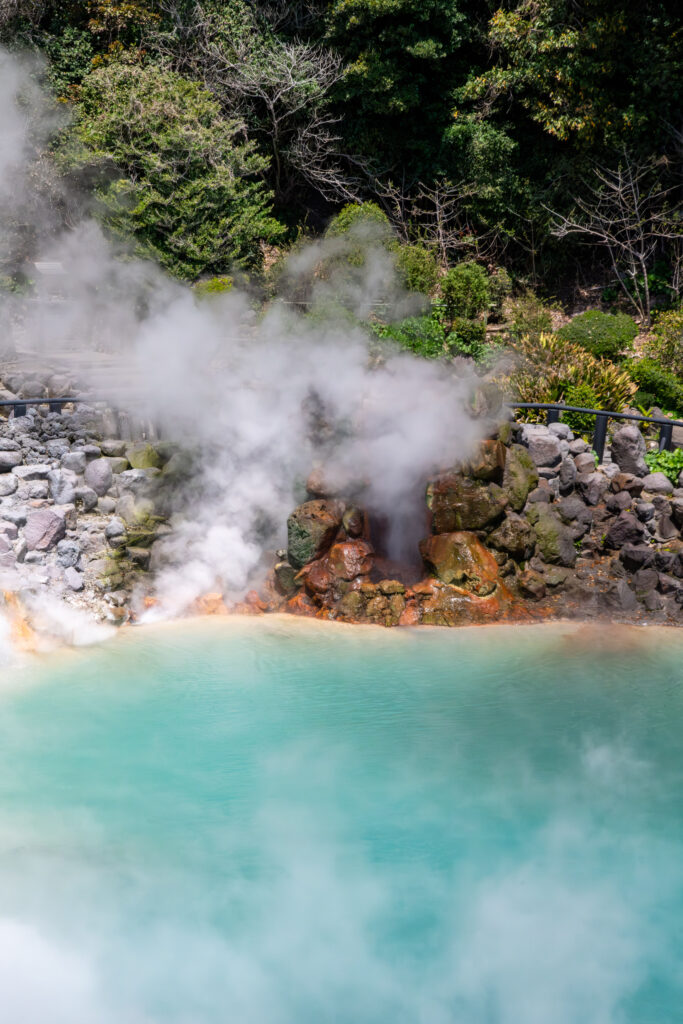
The blue hot springs at Umi (Sea) Jigoku are considered by many to be the most beautiful. The water is a cobalt blue, which is rare even among Japanese hot springs. The reason for the blue color of the water is its naturally high levels of iron sulfate. This means that it is entirely natural and not a result of artificial coloring. It is the blue color of these springs that give Umi (Sea) Jigoku its name.
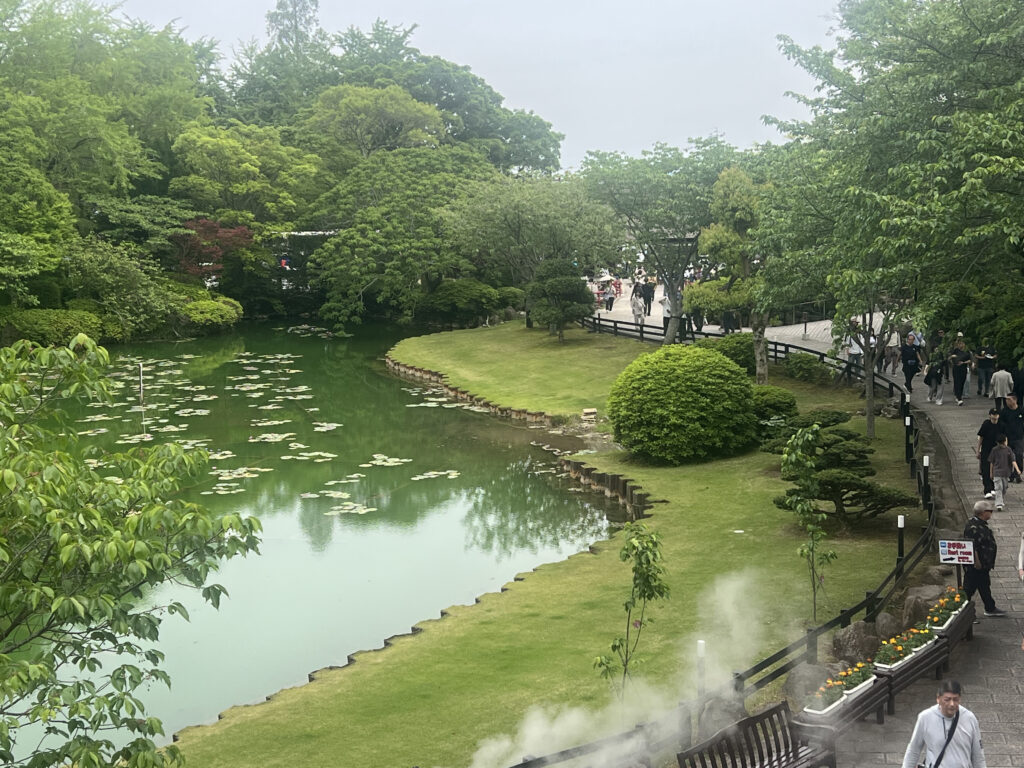
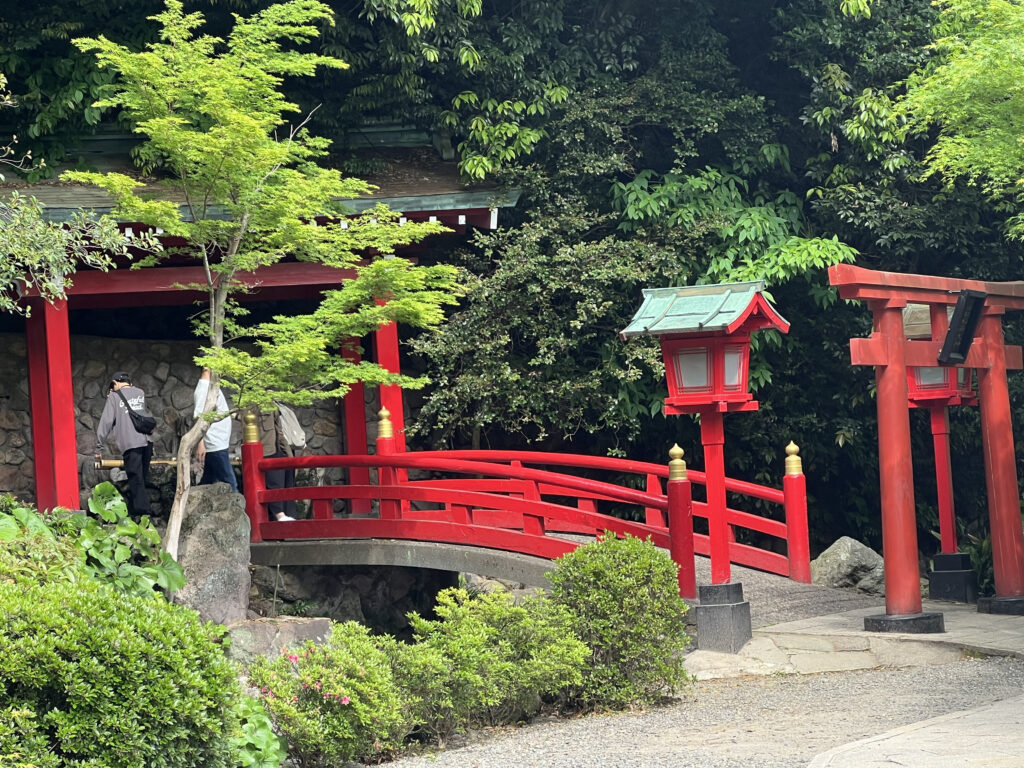
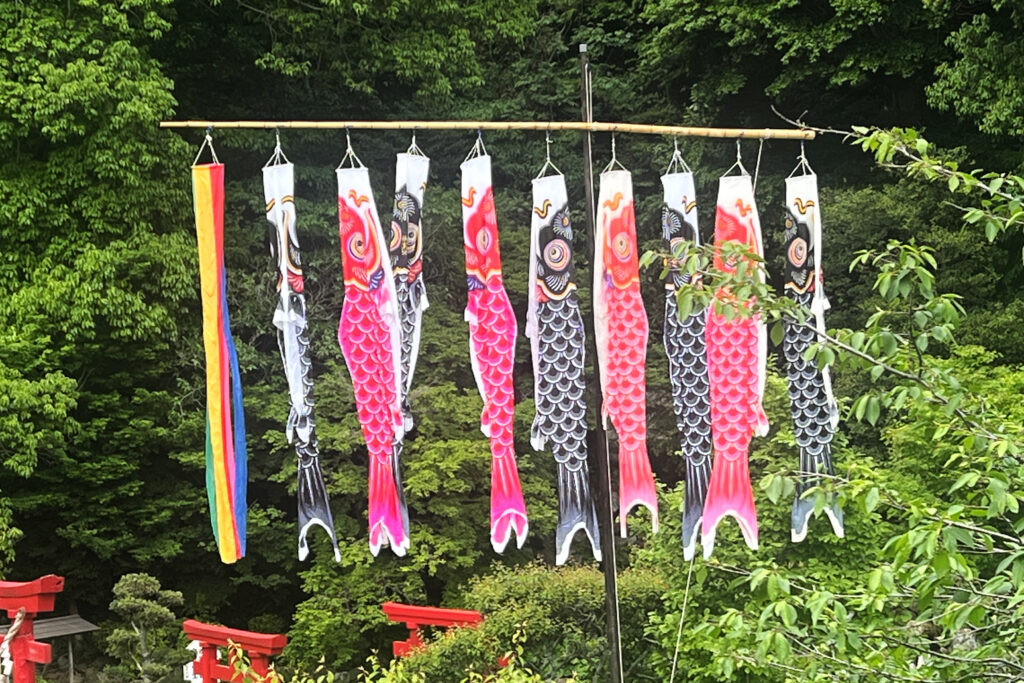
Pictured below is a beautiful garden in Umi Jigoku. In the second picture, the red walking bridge leads to a small shrine. And finally, the fish decorations were hung in honor of Children’s Day in Japan.
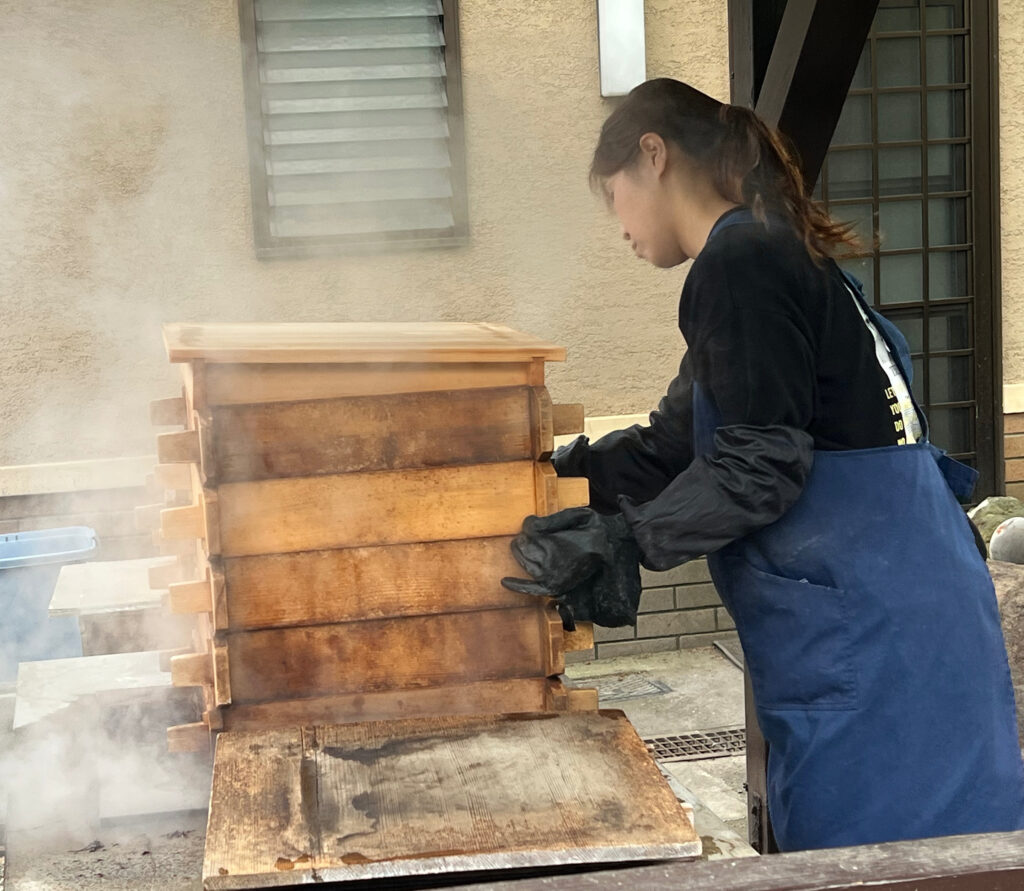
Jigoku mushi literally means hell-steaming. It is a traditional way of cooking using the steam of a hot spring. It dates back to the Edo period (1603-1867) and is a healthy way to prepare food while also enhancing its natural flavor. The first picture below shows a woman preparing food using this method.
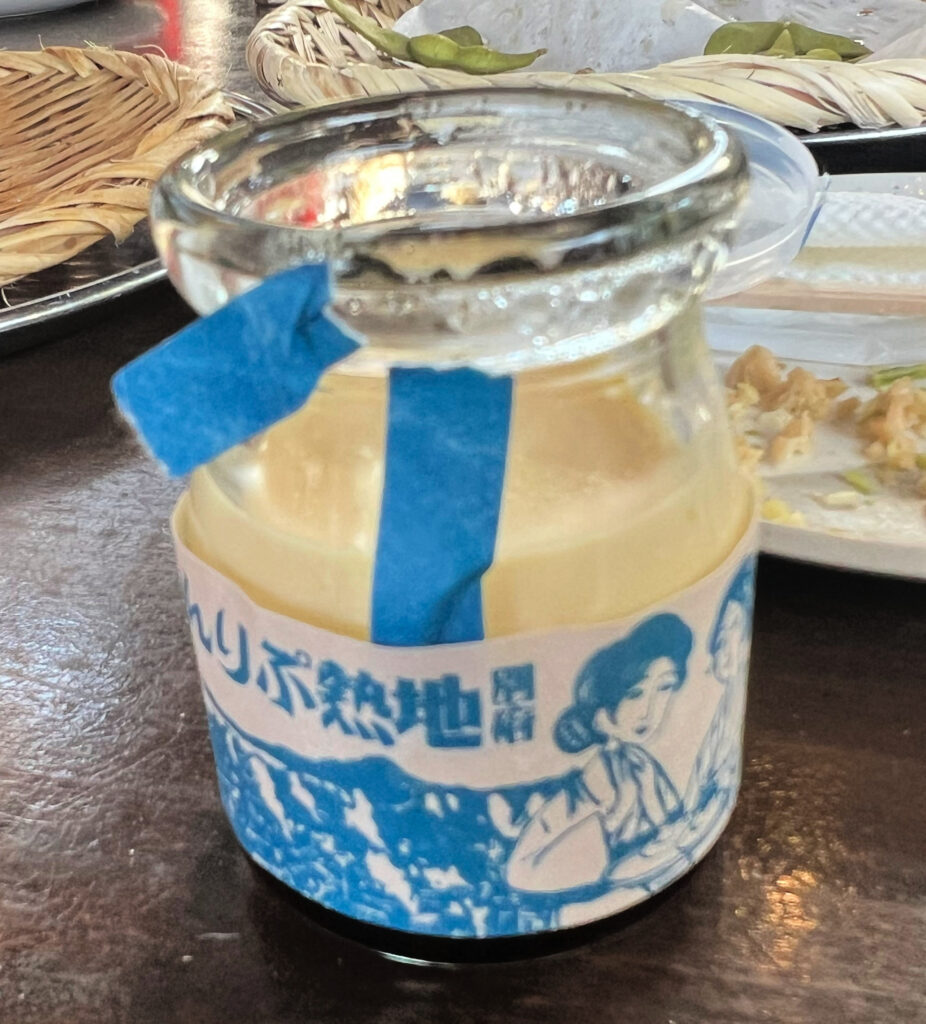
Some hells sell specialty pudding which has been steamed using the heat from the hot springs. We went to a restaurant where we tried the pudding and some other delicacies while soaking our feet beneath the table.
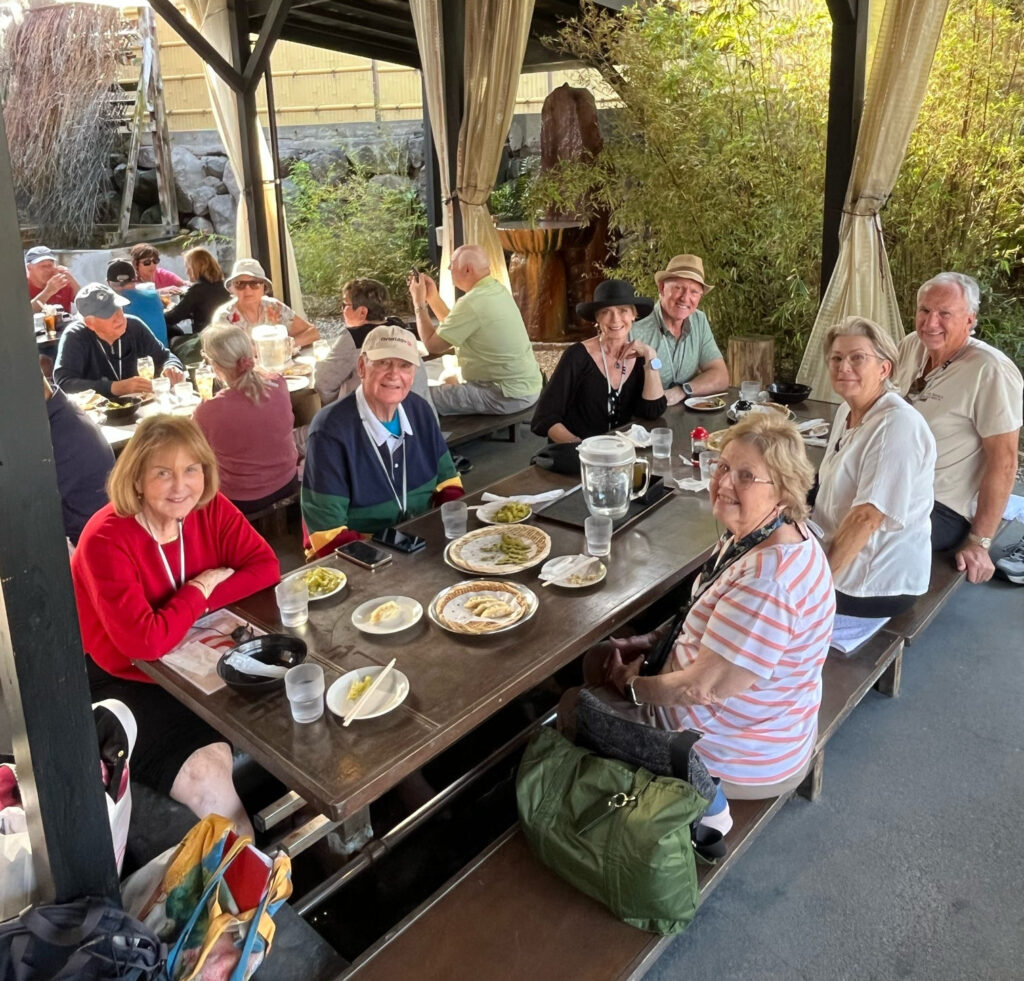
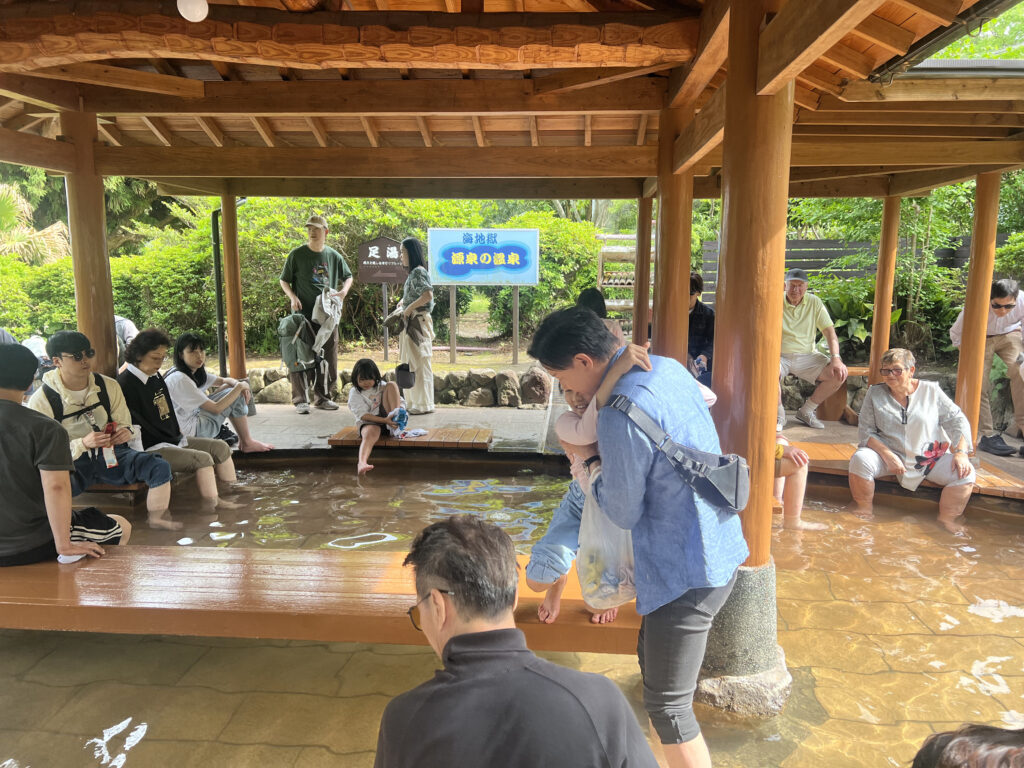
Part of this excursion involved a foot bath. In Japan, this is called an ashiju, which translates to “foot hot water.” These are common in Beppu and can be found throughout Beppu in places like public parks temples, and of course tourist sites – the “hells.” The one below is in a landscaped garden within Umi Jigoku (Sea Hell). The water has been cooled and feels warm, not hot. Foot baths are considered therapeutic and are said to improve circulation and relieve muscle aches.