Usuki Stone Buddhas
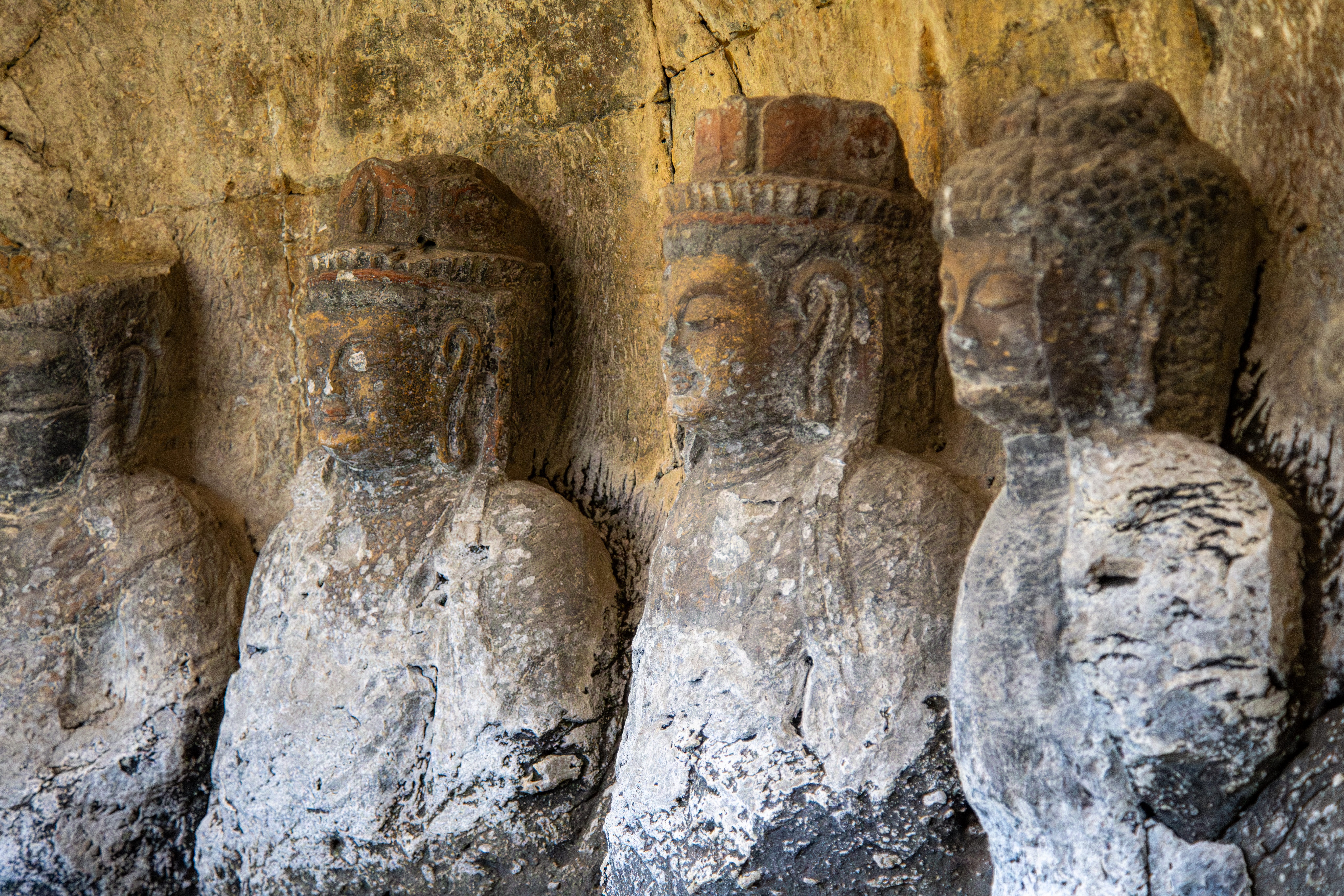
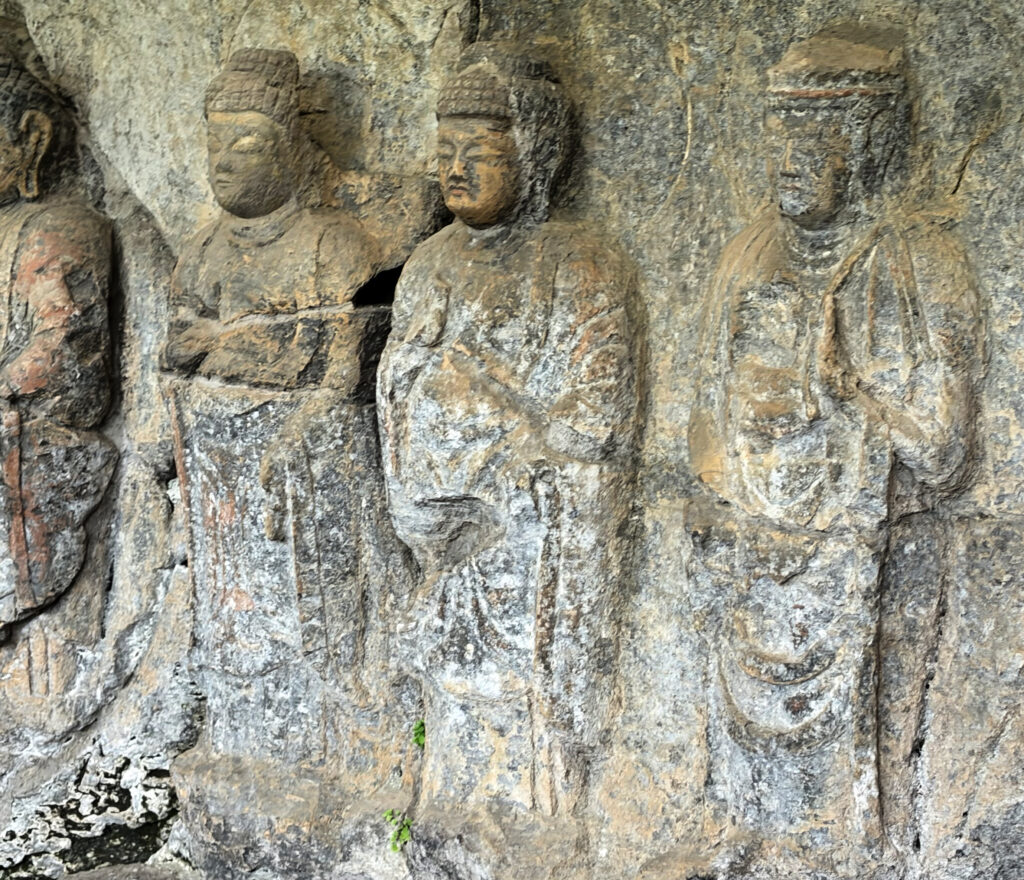
Mike’s excursion took him to Usuki, a castle town and home to the Usuki Stone Buddhas. The Buddhas are carved in the face of cliffs created by hardened volcanic ash and molten rock that erupted from Mt. Aso about 90,000 years ago.
The figures are believed to have been carved from the late 700s to the early 1300s, but who carved them is unknown.
“The prevailing theory is that they were commissioned by the Oga clan, which ruled the area from the end of the twelfth century. It’s thought that the Oga clan had the Buddha images carved into natural cliffs, from where they could not be moved, to ensure the lasting prosperity of the clan,” says Kanda Takashi, director of the Cultural Properties Research Office of the Usuki City Board of Education.
Many of the statues suffered from exposure to rain and erosion. Thanks to a restoration and conservation project, the statues are now protected by overhead structures. In June 1995, the carvings were designated a national treasure. The Usuki Stone Buddhas have earned international recognition as a cultural heritage because of the number of figures, their beauty, and the remarkable carving techniques used on the solid rock face.
The statue below is Dainich Nyorai, regarded as the finest stone Buddha statue in Japan. His face is said to reflect Buddha’s warm- heartedness. At some point, his head fell from his body but was reattached during repairs in 1993.
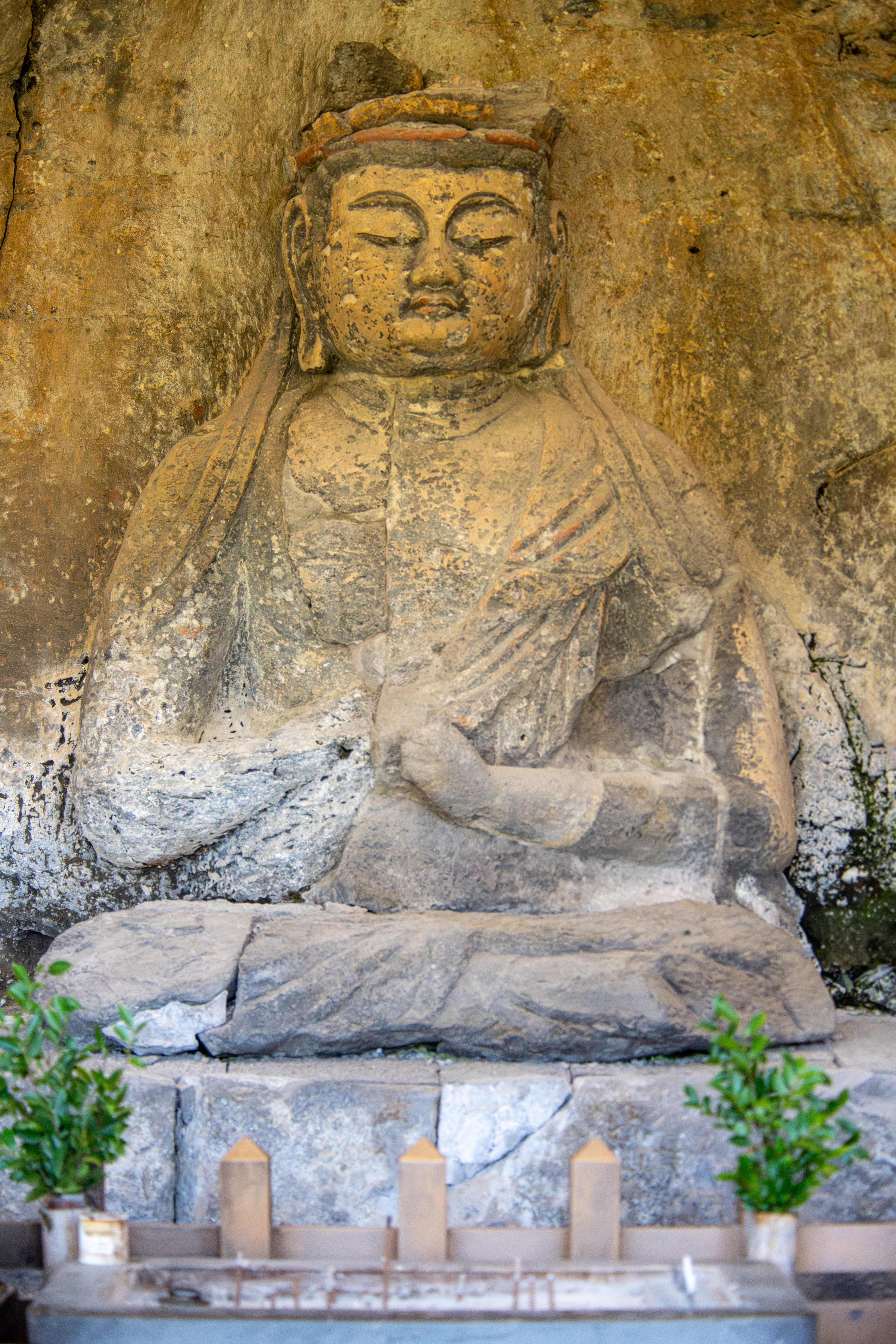
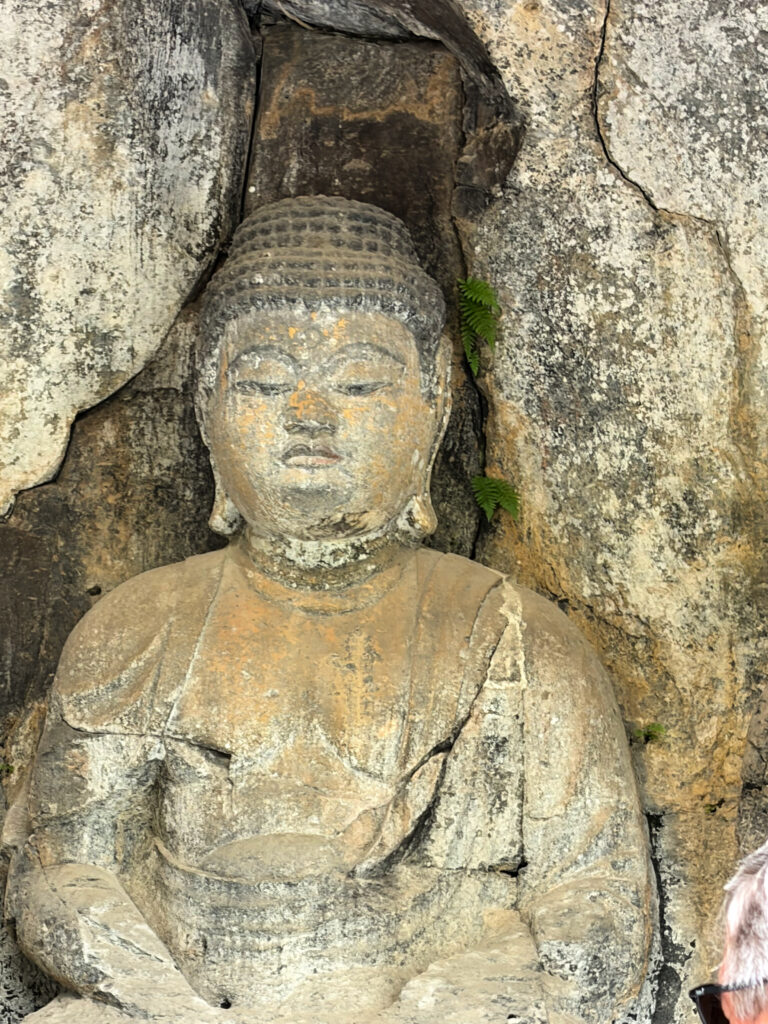
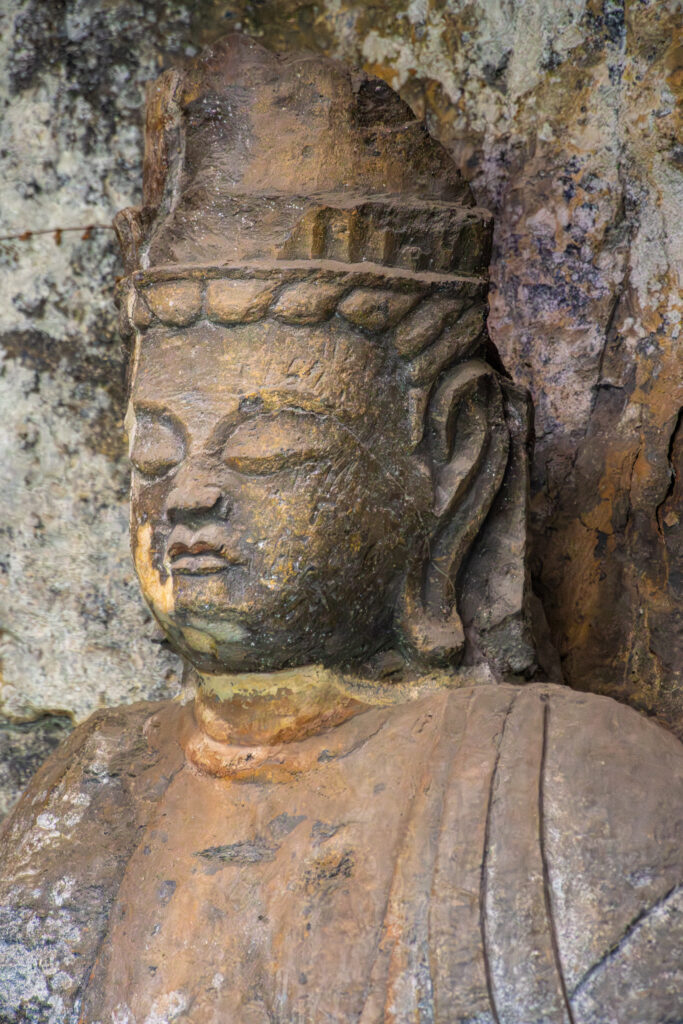
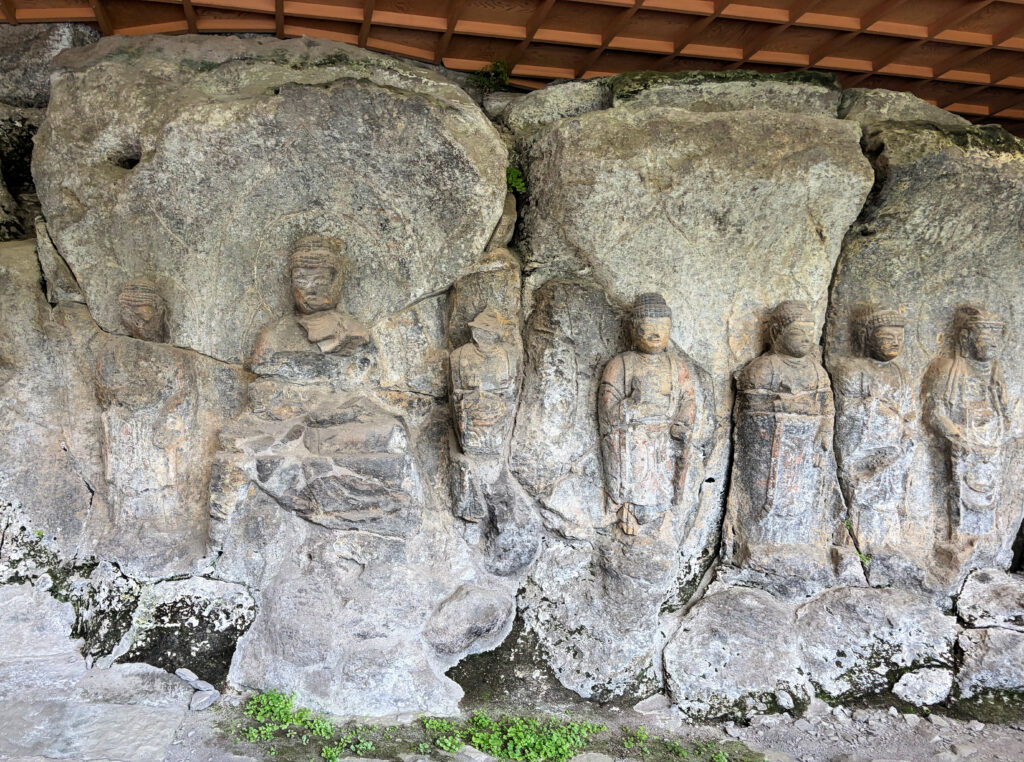
Constructing Buddha statues out of stone is widely practiced in Buddhist areas in Asia. These stone Buddhas are a type called “Magaibutsu” which is translated “polished-cliff Buddha.” They are bas-relief images carved directly into the cliff face. They range in height from about three feet to nine feet. There are 61 stone Buddhas at this site. The following are photographs of a few more Stone Buddhas in Usuki.
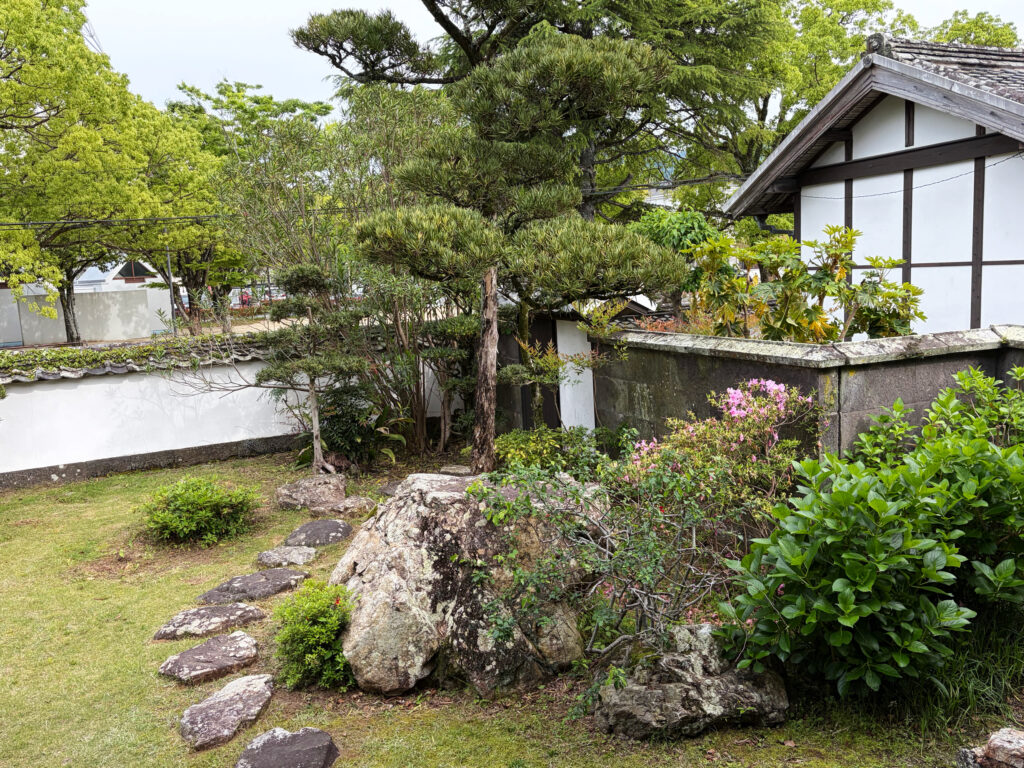
Usuku is also well-known for its samurai district, once home to the local feudal lord from the Inaba Clan. Today visitors can visit the Inaba Residence where the family used to live whenever they returned from Tokyo to visit their hometown. Built in 1902, it showcases the lifestyle of a high-ranking samurai family. The villa features traditional architecture, spacious tatami rooms, and a garden.
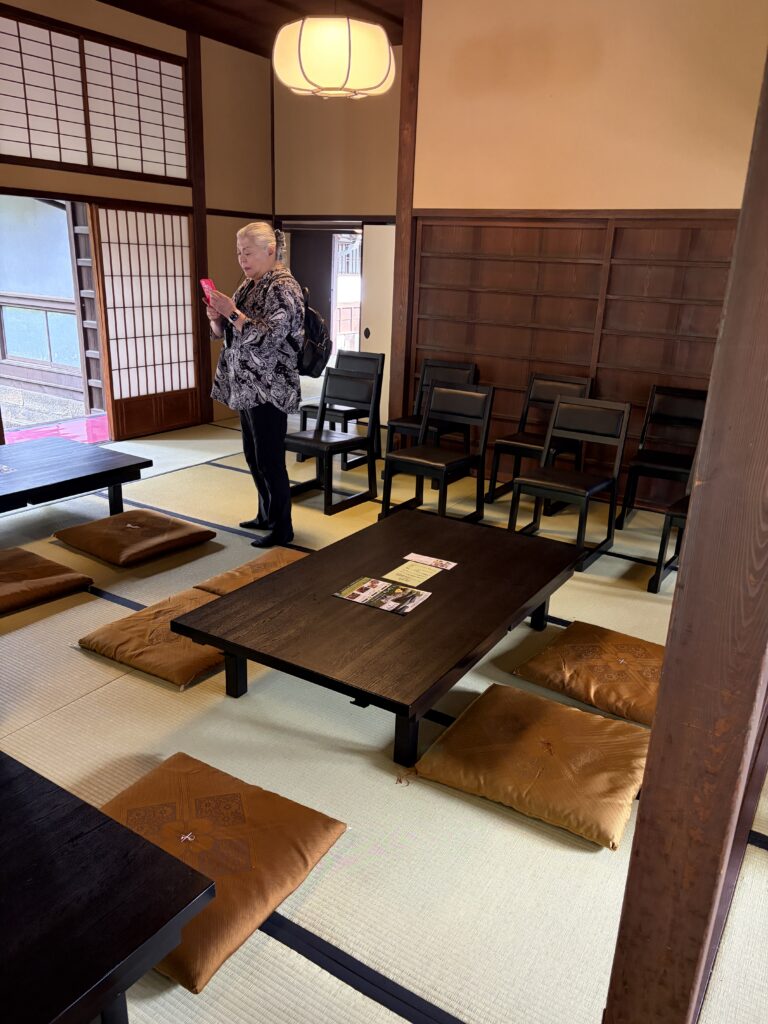
Pictured below is a tatami room. It is a flexiible space that can be used as a living area, for tea ceremonies or as a guest room with a futon provided for sleeping. The sliding doors and cushions for sitting are typical of a tatami room. The second picture shows the garden behind the home.
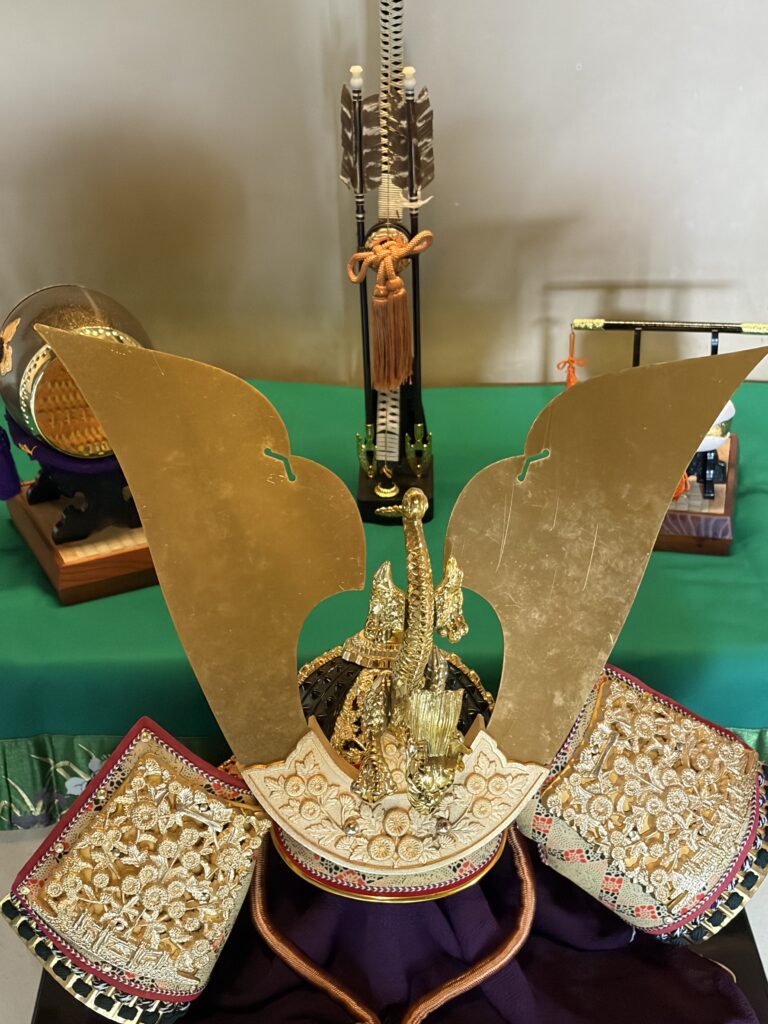
This picture depicts a samurai helmet called a “Kabut.” It was an important part of samurai armor designed to protect the head and neck in combat. In addition, it has cultural and symbolic value. The dome-shaped top could be decorated with horns, spikes, or other ornaments designed to reflect power and intimidate the enemy. The helmet could also incorporate the family’s crest so it was a symbol of the samurai’s status and identity.
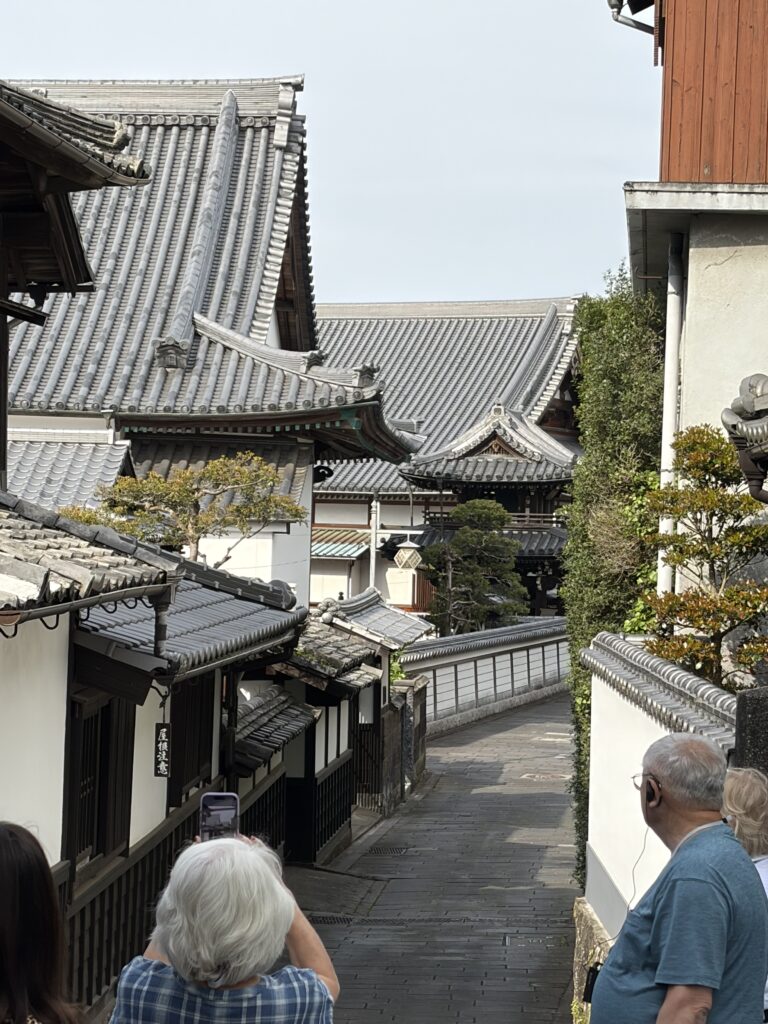
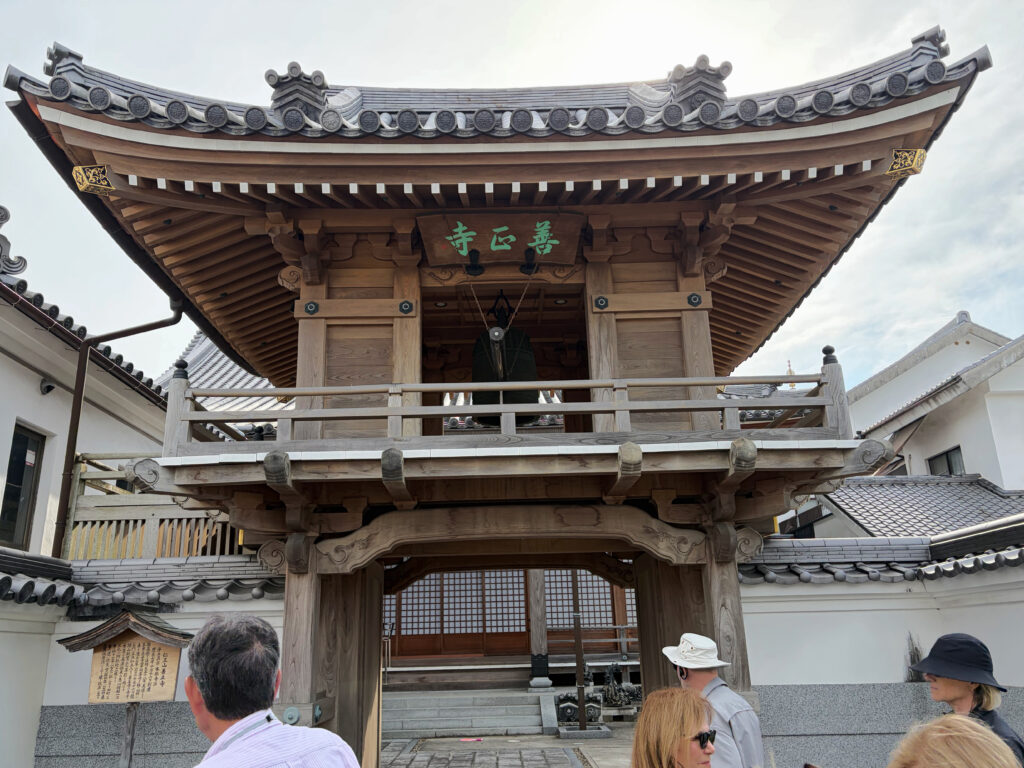
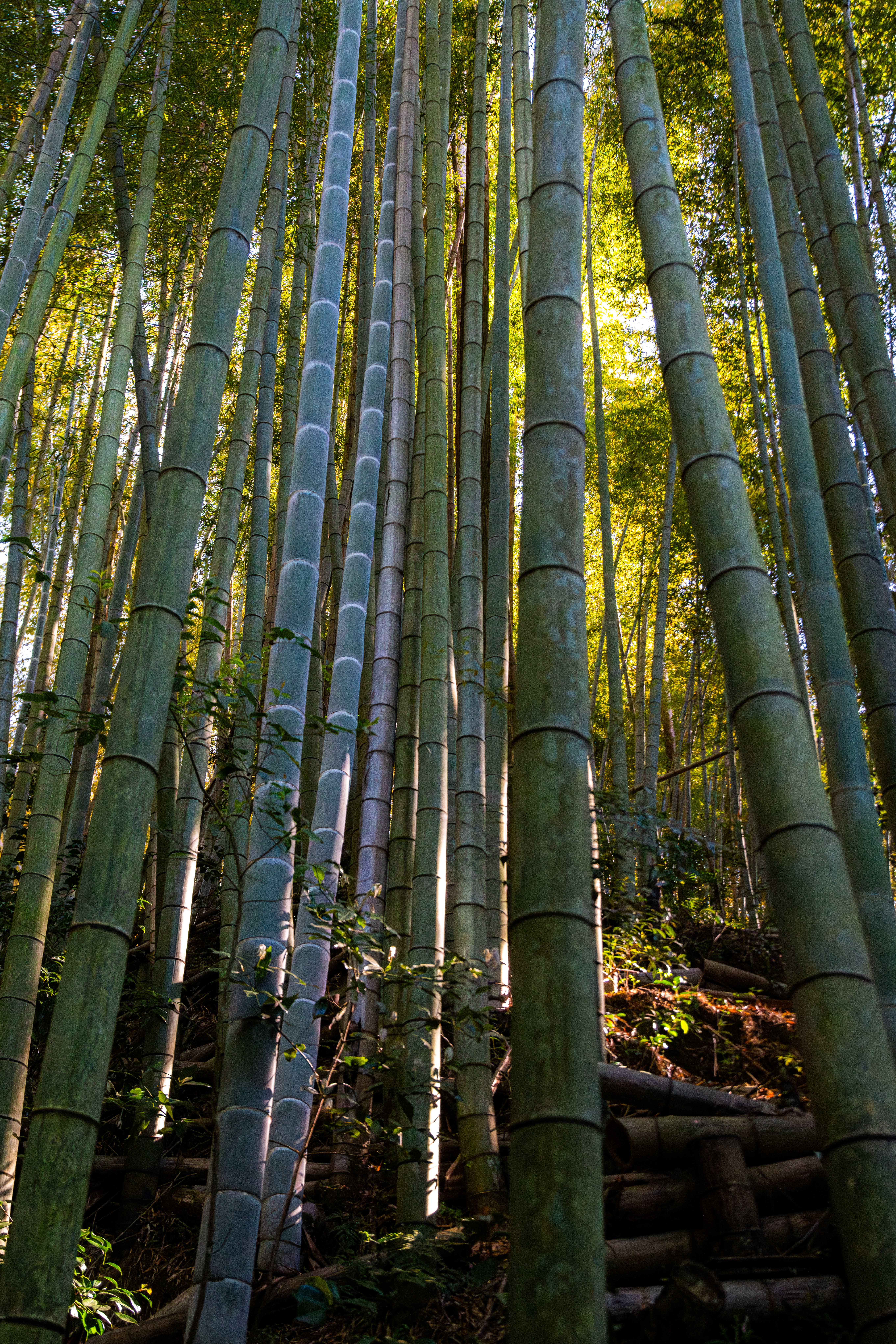
Pictured below is the Nioza Historical Road. Along the road are several samurai residences and temples. Many are typical of the architecture of the Edo-period. The gate pictured below is the grand entrance to another samurai residence. The last picture is one of the bamboo groves in Usuki.